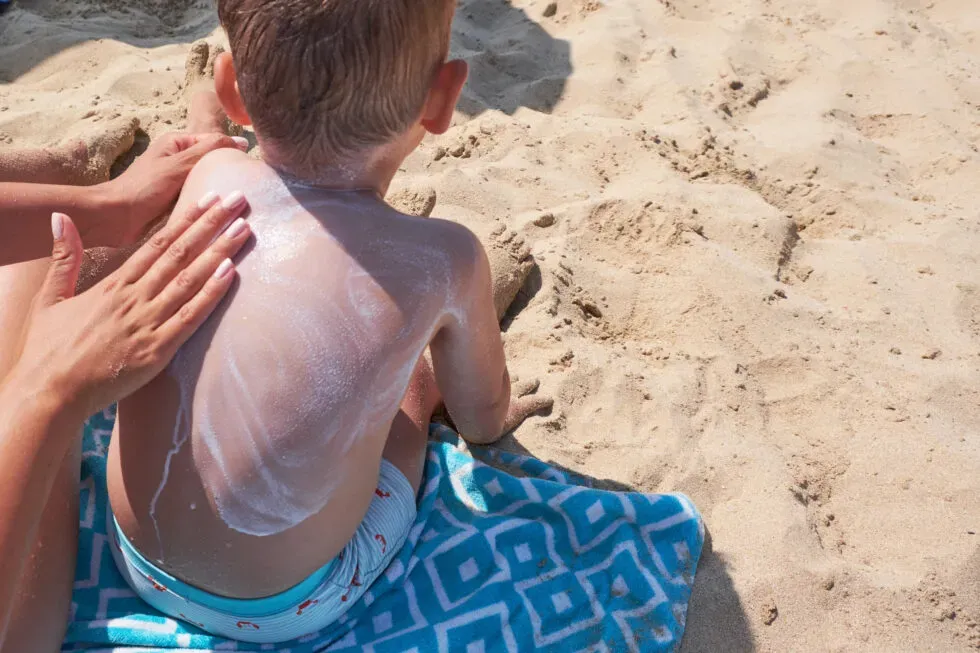
As the calendar begins to shift toward fall, it’s easy to assume the risk of sunburn disappears along with summer. However, anyone who has lived in Southeast Tennessee knows that’s rarely the case. Warm afternoons, high UV levels, and plenty of sunshine often linger well into the season, making it just as important to protect your skin during early fall as it is in the middle of July.
Whether you’re planning a family outing to Harrison Bay State Park, spending the day enjoying the rides at Lake Winnie, or simply cheering from the sidelines at a weekend ballgame, a few hours in the sun can quickly lead to more than just a painful sunburn.
Many people have heard the term sun poisoning but aren’t exactly sure what it means or how it’s different from an ordinary sunburn. Knowing the difference can help you recognize when home care is enough and when it’s time to seek medical attention.
If your day outdoors doesn’t go as planned, the medical team at AFC Urgent Care Ooltewah is here with convenient walk-in care to help you feel better quickly.
Visit AFC Urgent Care Ooltewah, TN today.
A Bad Sunburn Can Affect More Than Your Skin
It’s easy to think of sunburn as a minor inconvenience; something that causes a little redness, discomfort, and peeling before disappearing after a few days.
Your skin is your body’s largest organ and plays an important role in regulating temperature, retaining moisture, and protecting you from the environment. When too much ultraviolet (UV) radiation damages those protective layers, your body works overtime to repair the injury.
For mild sunburns, that repair process usually means redness, tenderness, and a few uncomfortable days.
But after prolonged sun exposure, some people develop a much stronger reaction commonly referred to as sun poisoning. While it isn’t an official medical diagnosis, the term describes a severe sunburn accompanied by symptoms that affect your entire body, not just your skin.
Why Children Are Especially Vulnerable
Parents often remember to pack snacks, water bottles, towels, and extra clothes before heading out for the day. Unfortunately, sunscreen isn’t always reapplied as often as it should be.
Children are particularly susceptible to sunburn because their skin is more sensitive than an adult’s, and they’re often too busy playing to notice the early warning signs of overexposure. Hours spent climbing playground equipment, waiting in line for rides, swimming, or participating in outdoor sports can pass quickly without regular shade breaks or sunscreen reapplication.
Parents should pay close attention if a child begins complaining of:
- Feeling unusually tired
- Headaches
- Chills
- Nausea
- Dizziness
- Painful or blistering skin
- Excessive thirst
These symptoms may indicate that the reaction is becoming more severe than a typical sunburn.
The Symptoms You Shouldn’t Ignore
Most sunburns cause:
- Red or pink skin
- Tenderness
- Mild swelling
- Warm skin
- Peeling after several days
Sun poisoning, however, often includes additional symptoms such as:
- Large or widespread blisters
- Severe swelling
- Fever or chills
- Headache
- Nausea or vomiting
- Dizziness or lightheadedness
- Fatigue or weakness
- Rapid heartbeat
- Signs of dehydration, including dark urine or extreme thirst
These symptoms are your body’s way of telling you it’s struggling to recover from significant UV damage and fluid loss.
Rather than hoping they’ll disappear overnight, it’s important to monitor symptoms carefully, especially in children, older adults, and anyone who has spent several hours outdoors.
Helping Your Skin Recover
If your symptoms are limited to a mild sunburn, taking care of your skin promptly can make a noticeable difference in your recovery.
A few simple steps include:
- Moving indoors or into the shade immediately
- Taking a cool shower or applying cool compresses
- Drinking plenty of water to replace lost fluids
- Applying aloe vera or a fragrance-free moisturizer
- Wearing loose-fitting clothing to reduce irritation
- Avoiding additional sun exposure until your skin has healed
If blisters develop, leave them intact whenever possible. They serve as your body’s natural protective covering while new skin forms underneath. Popping blisters increases your risk of infection and can delay healing.
When Should You Visit Urgent Care?
While many sunburns can be managed at home, some situations deserve prompt medical evaluation.
Visit AFC Urgent Care Ooltewah if you or your child develops:
- Extensive blistering
- Severe pain that isn’t improving
- Fever over 101°F
- Persistent nausea or vomiting
- Increasing redness or swelling
- Signs of dehydration
- Dizziness that continues despite drinking fluids
- Symptoms that worsen after the first day instead of improving
Our experienced providers can evaluate the severity of your sunburn, assess for dehydration, recommend appropriate treatment, and help relieve your symptoms before complications develop.
If someone becomes confused, has difficulty waking up, experiences seizures, or loses consciousness after prolonged sun exposure, call 911 immediately, as these symptoms may indicate a medical emergency requiring emergency care.
Protecting Your Family
The best treatment is always prevention.
Before heading out to Harrison Bay State Park for a day on the water or planning a family trip to Lake Winnie, take a few minutes to prepare for the sun even if the temperatures feel more like fall than summer.
Simple habits can go a long way toward protecting your skin:
- Apply a broad-spectrum sunscreen with SPF 30 or higher before going outside.
- Reapply sunscreen every two hours and after swimming or heavy sweating.
- Wear sunglasses, lightweight protective clothing, and a wide-brimmed hat when possible.
- Drink water consistently throughout the day.
- Take breaks in the shade, especially during the afternoon when UV rays are strongest.
- Remember that clouds don’t block all harmful UV rays, so sunscreen is still important even on partly cloudy days.
These small steps can help prevent painful burns while allowing you and your family to continue enjoying everything Southeast Tennessee has to offer.
Walk-In Sunburn & Sun Poisoning Treatment in Ooltewah, TN
A beautiful day outdoors shouldn’t end with painful skin, dehydration, or symptoms that leave you feeling miserable for days afterward. If you or a family member develops severe sunburn, blistering, dizziness, fever, nausea, or other signs of sun poisoning, don’t wait to get the care you need.
At AFC Urgent Care Ooltewah, we provide walk-in treatment for sunburn, sun poisoning, dehydration, and other seasonal illnesses and injuries seven days a week. Our experienced medical team is here to help you recover quickly so you can get back to making memories outdoors.