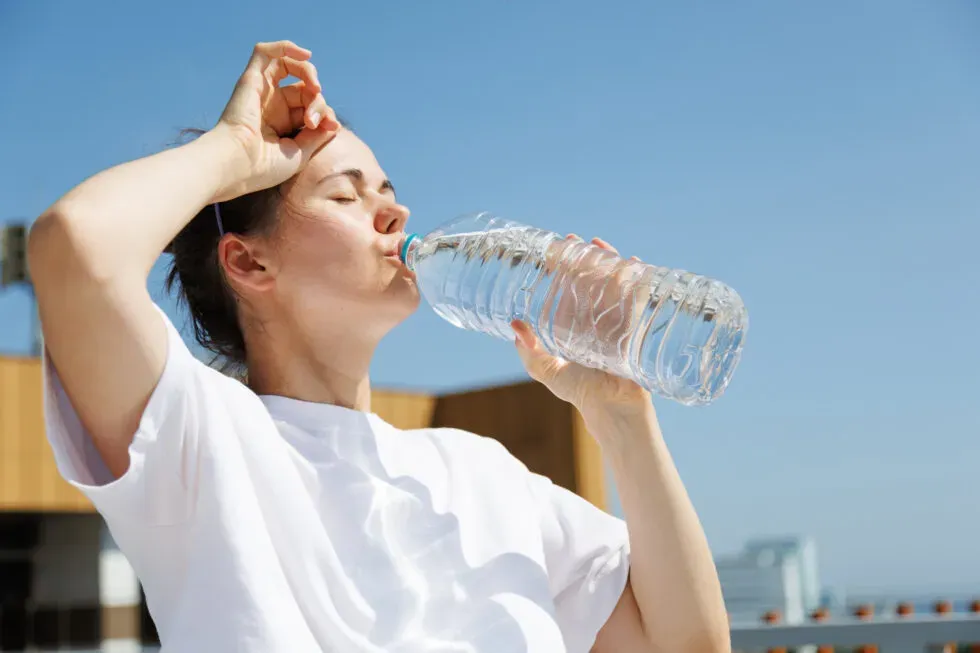
Summer in Knoxville can bring plenty of sunshine, but when temperatures climb and humidity rises, spending time outdoors can become more than uncomfortable. During a heat wave, your body has to work harder to stay cool, increasing the risk of dehydration, heat exhaustion, and heat stroke.
Whether you’re working outside, heading to a local park, enjoying a day on the water, or simply tackling errands around town, staying hydrated is one of the easiest ways to help your body handle the heat. At AFC Knoxville, we’re here to help you recognize the warning signs of heat-related illness and know when it’s time to seek care.
Why Hydration Matters During a Heat Wave
Your body naturally cools itself through sweating. When you’re sweating heavily in hot or humid conditions, you lose both water and electrolytes. If you don’t replace those fluids, dehydration can develop quickly. The key is not to wait until you’re extremely thirsty to start drinking. Thirst can be a sign that your body is already becoming dehydrated.
You may be more likely to become dehydrated if you’re:
- Spending extended time outdoors
- Exercising or working in the heat
- Sweating heavily
- Drinking alcohol
- Not drinking enough fluids throughout the day
- Taking certain medications that affect fluid balance
How Much Should You Drink?
There’s no single amount of water that works for everyone, especially during extreme heat. Instead, focus on drinking consistently throughout the day and increasing your fluid intake when you’re sweating more than usual. If you’re exercising or spending several hours outside, alternating water with an electrolyte-containing beverage may help replace some of the sodium and other electrolytes lost through sweat.
Try these simple strategies:
- Start hydrating before heading outside.
- Keep a reusable water bottle with you.
- Take regular water breaks when working or exercising outdoors.
- Drink more frequently during periods of heavy sweating.
- Replace electrolytes when you’ve been sweating heavily for an extended period.
- Limit alcohol and excessive caffeine during prolonged heat exposure.
Don’t Ignore the Early Signs of Heat Exhaustion
Heat exhaustion can develop when your body loses too much water and salt through sweating. Catching it early is important because it can progress to heat stroke. If these symptoms develop, move to a cooler location, stop physical activity, and begin drinking fluids. Cooling your body with a cool shower, damp towels, or air conditioning can also help. If symptoms don’t improve or become more severe, seek medical attention.
Common symptoms include:
- Heavy sweating
- Headache
- Dizziness or lightheadedness
- Weakness or unusual fatigue
- Nausea
- Muscle cramps
- Cool, pale, or clammy skin
Heat Stroke Is an Emergency
Heat stroke is the most serious form of heat-related illness and requires immediate medical attention. Heat stroke is a medical emergency. Call 911 immediately if you suspect someone is experiencing it. While waiting for emergency help, move the person to a cooler area and begin cooling them with cold, wet cloths or other available methods.
Warning signs can include:
- Confusion or unusual behavior
- Loss of consciousness
- Severe headache
- Very high body temperature
- Hot, red skin that may no longer be sweating
- Seizures
Who Needs to Be Especially Careful?
Anyone can develop heat-related illness, but some people are at greater risk, including young children, older adults, people who work outdoors, and individuals with certain medical conditions. Pets can also overheat quickly, so make sure they have plenty of fresh water and access to shade or air conditioning during extreme heat.
How AFC Knoxville Can Help
At AFC Knoxville, our AFC providers can evaluate symptoms related to dehydration and heat exposure and help determine whether additional treatment is needed. If you’re experiencing persistent dizziness, weakness, nausea, or other concerning symptoms after spending time in the heat, don’t simply try to push through them.
A Knoxville heat wave doesn’t have to keep you indoors all summer. Planning ahead, drinking fluids consistently, taking breaks in the shade or air conditioning, and recognizing the early signs of heat-related illness can help you enjoy the season more safely. And if the heat gets the better of you, AFC Knoxville is here with convenient care when you need it.