Recent Blog Posts

A Parent’s Guide to ‘Can They Go to School Tomorrow?

Every parent knows the moment. Your alarm goes off, backpacks wait by the door, and your child says, “I don’t feel good.” Maybe they’re warm, coughing, threw up overnight, or just seem off. The clock is ticking, school attendance is strict, and you’re left with the same question parents across Massachusetts ask daily: Should your child go to school tomorrow, or is it best for them to stay home? This decision isn ...

Read more..

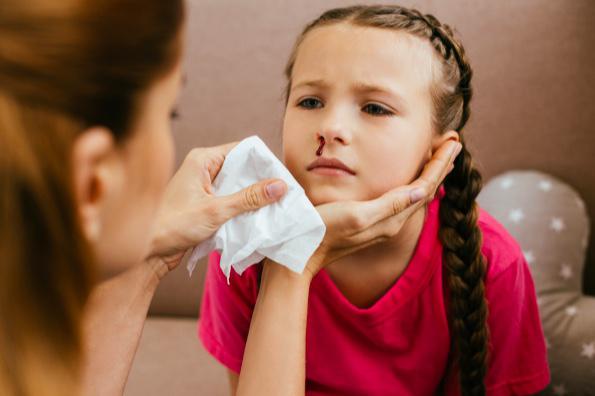
Nosebleeds in Late Winter/Early Spring: When It’s Dry Air vs Something Else

If nosebleeds seem to happen more often between February and April, you’re not imagining it. Late winter and early spring are peak seasons for nosebleeds across Massachusetts, especially for children and older adults. Cold outdoor air holds very little moisture, and indoor heating systems further dry the air. This combination dehydrates the delicate nasal lining, making tiny blood vessels more fragile and prone to rupture. For most people, these nosebleeds are minor and stop ...

Read more..

Why You Feel Exhausted Lately: Illness, Stress, Low Iron, or Something Else?

Massachusetts winters and early spring can wring out even the hardiest North Shore resident. Short days, colds that keep looping through the house, and indoor routines can leave you dragging. But if you’re more exhausted than usual, struggling to get going, foggy at work, or crashing by late afternoon, it’s worth figuring out why. Fatigue is a symptom, not a diagnosis, and its causes range from obvious (e.g., lingering virus, insufficient sleep ...

Read more..

Kids + Spring Sports: The Most Common Injuries and How to Respond Fast

Spring in Massachusetts feels like a reset. Fields reopen, practices begin, and kids jump back into soccer, baseball, softball, lacrosse, tennis, track, and more. It’s a great season for confidence and community, but it’s also the time of year when urgent care centers see a predictable surge in sports injuries. This guide covers the most common spring sports injuries in kids, how to respond quickly, and when to visit AFC Urgent Care Swampscott ...

Read more..

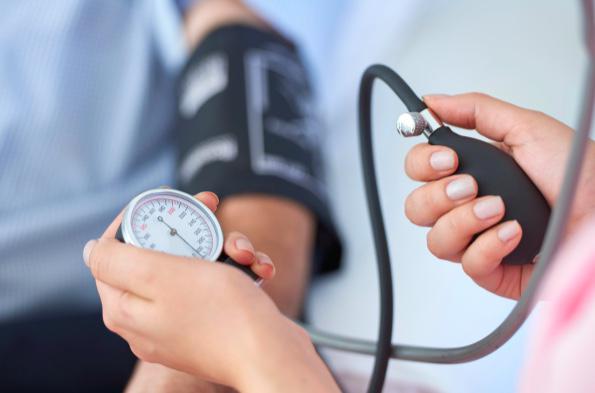
High Blood Pressure Symptoms People Ignore (Plus When to Get Checked)

High blood pressure (hypertension) is a leading driver of heart disease and stroke, and it’s often silent. Many people feel fine even with numbers high enough to damage blood vessels, kidneys, heart, and brain over time. Others ignore subtle cues, such as morning headaches, fatigue, shortness of breath on stairs, or chest pressure chalked up to “stress” or “being out of shape.” This guide explains what to watch for, who’s at higher risk ...

Read more..

Vitamin D in Winter: Symptoms of Low Vitamin D and When to Check

Short days, heavy coats, and indoor routines make winter in Massachusetts a prime setting for low vitamin D. Because our skin synthesizes vitamin D from sunlight, levels often drop in late fall and winter, especially at northern latitudes. While mild deficiency may be silent, a notable dip can show up as fatigue, generalized aches, low mood, frequent colds, or slow bone healing. Over time, deficiency increases the risk of bone loss and fractures. This guide ...

Read more..

Slip-and-Fall Season: When to Get an X-Ray After a Fall

From front steps to parking lots, winter surfaces can become unexpected skating rinks. Falls happen, often to the wrists, ankles, knees, hips, and tailbone. The critical question after you catch your breath is: Do I need an X-ray? This guide breaks down fracture vs. sprain clues, what to do in the first 24–48 hours, when to walk into urgent care, and what recovery really looks like. At AFC Urgent Care Beverly, we evaluate winter ...

Read more..

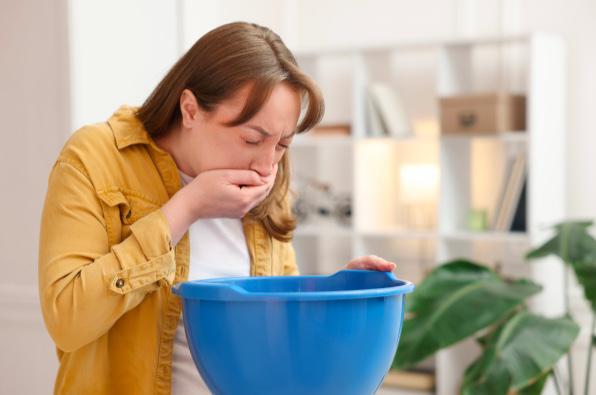
Norovirus (“Stomach Flu”) Going Around: How to Avoid It + When to Come In

Every winter across the North Shore. In schools, offices, hockey locker rooms, and coffee shops, one phrase starts making the rounds: “There’s a stomach bug going around.” In most cases, that “bug” is norovirus, a microscopic powerhouse of contagiousness that causes sudden vomiting, diarrhea, stomach cramps, and a general feeling of being wrung out. Norovirus isn’t the flu (influenza); it’s a gastrointestinal virus that spreads by tiny particles, often from hands, surfaces ...

Read more..

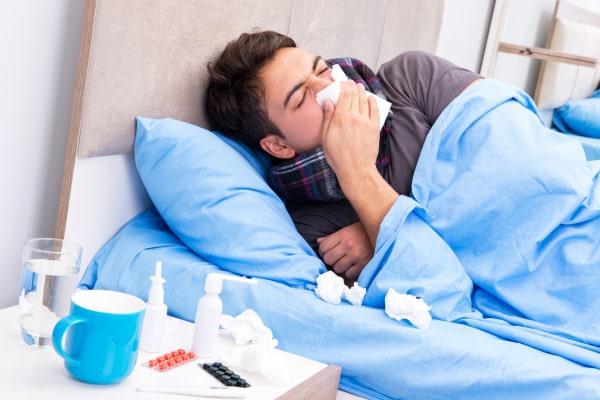
Flu vs. Cold vs. RSV: How to Tell the Difference (and When to Get Tested)

  Same Season, Different Playbooks Every winter, families on the North Shore face a familiar guessing game: cold vs. flu vs. RSV. Early symptoms blur together: runny nose, cough, sore throat, but each virus carries different risks, timelines, and treatment options. Flu can hit like a freight train and may benefit from antivirals if started early. Colds are inconvenient but generally mild and self-limited. RSV can be a nuisance for older kids and adults, yet it ...

Read more..

Walking Pneumonia: Why You Can Feel “Fine” but Still Need Treatment

The “I’m Fine” Infection That Isn’t If you’ve ever had a cold that just won’t quit, two weeks of cough, on-and-off low fevers, chest tightness when you climb stairs, you might have met walking pneumonia. It’s not a formal diagnosis; it’s the everyday way people describe mild pneumonia, often from atypical bacteria like Mycoplasma pneumoniae. You can still go to class, practices, or meetings. But you shouldn’t. Because ...

Read more..

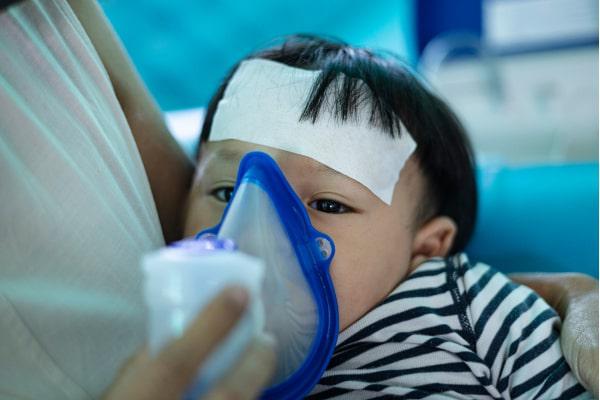
Protecting Newborns During RSV Season: Family + Visitor Rules

  Why newborns need extra protection In older kids and adults, RSV usually looks like a bad cold. In newborns and young infants, it can cause bronchiolitis, swelling of tiny airways, leading to labored breathing, trouble feeding, and dehydration. Babies have small airways and limited reserves; even minor swelling can make breathing and feeding a struggle. The goal isn’t isolation; it’s stacking simple protections and recognizing early signs. For fast pediatric evaluation without the ...

Read more..

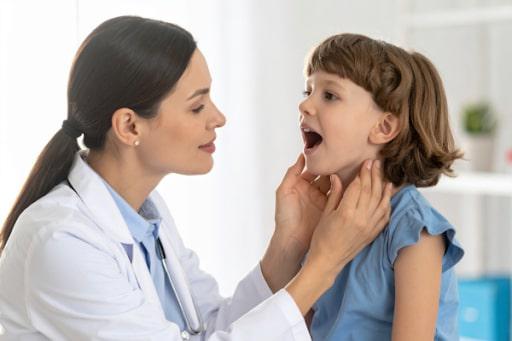
Winter Sore Throat Guide: Strep vs. Viral, When to Test

  Why winter throats burn more, and what’s actually going on   Massachusetts winters close windows, dry the air, and bring classrooms, rinks, offices, and family gatherings into tight indoor spaces. Viruses like rhinovirus, influenza, RSV, and COVID-19 love that setup, and the dry air irritates your throat lining, so every tickle feels worse. Most winter sore throats are viral and improve with time. But strep throat, a bacterial infection caused by Group A Streptococcus, needs ...

Read more..

Frostbite & Hypothermia: First Aid and When to Seek Care

Winter on the North Shore can be beautiful and brutal. Between early-morning dog walks, school recess, shoveling out the driveway, cheering at outdoor hockey rinks, and commuting in blowing snow, it’s easy to push past your limits. That’s when cold-related injuries like frostbite and hypothermia become more than just textbook terms. They’re real threats that can escalate quickly if you don’t know the signs. The good news: with the right know-how ...

Read more..

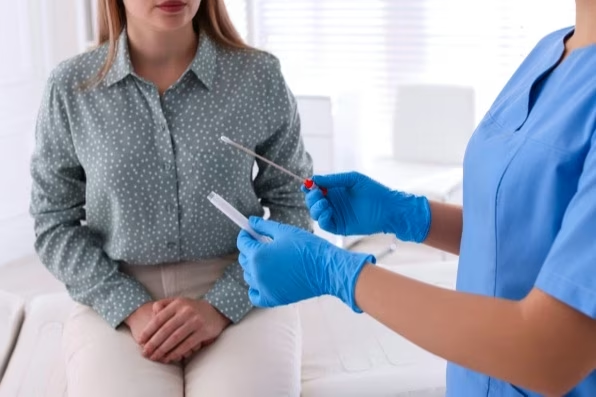
No Insurance? Confidential, Affordable STD Testing, Your Options

If you’re worried about a possible STD (also called an STI), the last thing you should have to worry about is insurance. Whether you don’t have coverage, you’re between plans, or you prefer to keep testing off your insurance for privacy reasons, you still deserve fast, discreet care. That’s precisely what you’ll find at AFC Urgent Care Beverly. Our providers offer confidential, affordable STD testing and treatment with transparent pricing ...

Read more..

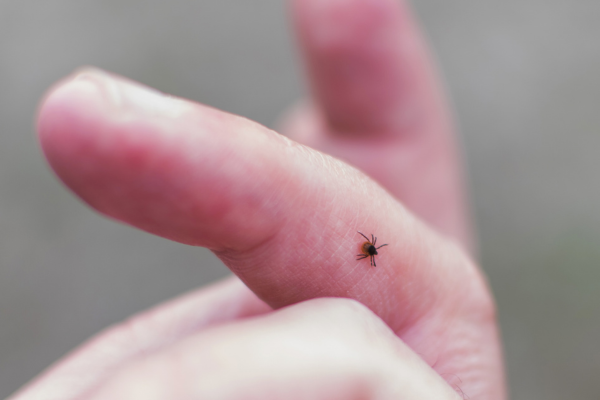
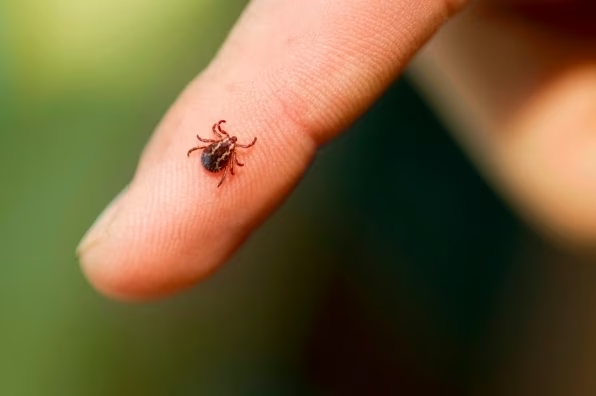
The 10-Minute Tick Check: After School, After Hikes, After Yardwork

Afternoons on the North Shore are made for soccer practice, dog walks, trail loops at Ravenswood, and quick lawn cleanups before dinner. They’re also prime time for ticks. These tiny arachnids are expert hitchhikers, and Massachusetts’ mix of woods, brush, and coastal greenery gives them everything they need. The good news? A thorough tick check takes 10 minutes, and it’s often the difference between a harmless encounter and a tick-borne illness like Lyme ...

Read more..

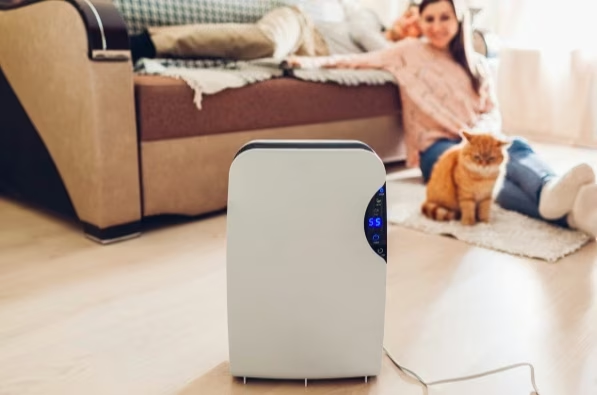
Air Quality, Humidity, and Germs: Setting Up a Healthier Home

Here in coastal Massachusetts, fall means cooler temps, closed windows, and more time indoors, and with that comes the perfect recipe for sniffles, coughs, and stubborn winter illnesses. You can’t control the school bus or the office breakroom, but you can make your home your health headquarters. The big three to focus on? Air quality, humidity, and germ control. This isn’t about expensive renovations or buying a closet full of gadgets. A healthier ...

Read more..

Allergies in the Classroom: How to Prepare Your Child for a Safe School Year

The first day of school should be exciting for your child, not stressful. Yet for parents of children with allergies, the excitement is often mixed with concern. Will the cafeteria have allergy-safe options? Will classmates bring peanut butter snacks? Will spring pollen drift in through the open windows? Classroom allergies are not a rare problem; they’re part of everyday life for millions of families. The Centers for Disease Control and Prevention (CDC) reports that ...

Read more..

Back-to-School Vaccines: What’s Required and What’s Recommended

Every August, as parents shop for notebooks, backpacks, and new shoes, school nurses across Massachusetts are looking at something entirely different: immunization records. Whether your child is entering kindergarten, middle school, or high school, the start of a new academic year often comes with vaccine requirements. Massachusetts has some of the strongest school immunization laws in the country. These rules aren’t in place to make your life more complicated; they’re designed to protect ...

Read more..

Top 5 School-Year Illnesses (and How to Spot Them Early)

As the school year kicks into gear, so does something parents dread: the return of classroom germs. No matter how careful your child is about washing their hands or covering their mouth when coughing, schools are the perfect environment for bacteria and viruses to spread. In Beverly and surrounding North Shore communities, we see a spike in certain illnesses every year once kids are back in classrooms, cafeterias, and sports programs. These illnesses can spread ...

Read more..

Why Sports Physicals Are a Must | Even if Your Child Seems Healthy

The start of a new sports season is exciting, with fresh uniforms, new teammates, and a chance for your child to develop skills both on and off the field. But before the first whistle blows, there’s one crucial step that’s sometimes overlooked: the sports physical. Also known as a Pre-Participation Physical Examination (PPE), this screening is more than a school requirement. It’s a proactive way to protect your child’s health, prevent ...

Read more..

Recent Blogs

A Parent’s Guide to ‘Can They Go to School Tomorrow?

Every parent knows the moment. Your alarm goes off, backpacks wait by the door, and your child says, “I don’t feel ...

Read More

Nosebleeds in Late Winter/Early Spring: When It’s Dry Air vs Something Else

If nosebleeds seem to happen more often between February and April, you’re not imagining it. Late winter and early spring are ...

Read More

Why You Feel Exhausted Lately: Illness, Stress, Low Iron, or Something Else?

Massachusetts winters and early spring can wring out even the hardiest North Shore resident. Short days, colds that keep looping through the ...

Read More

About Our Services:

Call (781) 691-9366 for more information about our Swampscott urgent care services.