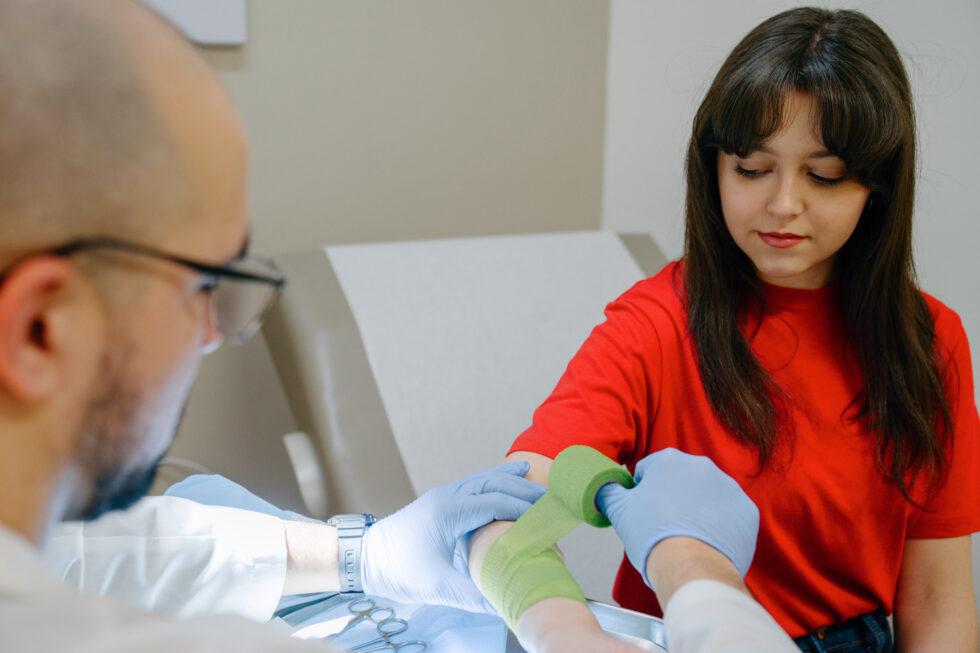
Accidents happen when you least expect them. Whether it’s a cut in the kitchen, a fall during outdoor activities around Ijams Nature Center, or a sudden choking incident, knowing basic first aid supported by guidance from trusted organizations like the American Red Cross can make all the difference in those critical moments before professional care is available.
At AFC Urgent Care, we’re here to treat non-life-threatening injuries quickly and efficiently, but what you do before you arrive matters, too. Understanding essential first aid techniques can help stabilize injuries, reduce complications, and give you peace of mind when it matters most.
Visit AFC Urgent Care Chapman Highway today!
Why First Aid Knowledge Matters
First aid is more than just quick action it’s about confidence and preparedness. In any emergency, your goals should be to:
- Preserve life
- Prevent the injury from worsening
- Promote recovery
Even simple steps like applying pressure to a wound or recognizing signs of shock can significantly impact outcomes.
First Aid Essentials Before You Seek Care
Protect Yourself First
Before helping someone else, take a moment to protect yourself. Use gloves or a barrier like cloth or gauze when dealing with blood, and wash or sanitize your hands whenever possible. Avoid direct contact with bodily fluids to reduce the risk of contamination. Once the scene is safe, you can begin providing care.
Bleeding & Wounds
For bleeding wounds, apply firm, direct pressure with a clean cloth or bandage and elevate the area if possible. After the bleeding slows, gently clean the wound with water and cover it with a sterile bandage. If bleeding doesn’t stop after about 10 minutes, the wound is deep, or signs of infection appear, seek urgent care.
Minor Cuts & Scrapes
Minor cuts and scrapes should be cleaned with running water after stopping any bleeding, then covered with a bandage. Keep the area clean and change dressings regularly to promote healing.
Choking Emergencies
In a choking emergency, look for signs like inability to speak or difficulty breathing. Use the Heimlich maneuver by standing behind the person and delivering quick upward thrusts just above the navel until the airway is cleared.
Recognizing Shock
Shock can occur after serious injury or blood loss and may present with pale skin, rapid breathing, or confusion. Lay the person flat, elevate their legs, if possible, keep them warm, and call for help immediately.
Burn Care
For minor burns, cool the area under lukewarm water and cover it with a clean, non-stick bandage. Avoid using ice or home remedies. Seek medical care for burns that are severe, large, or blistering.
Sprains & Possible Fractures
Sprains and possible fractures can be treated initially with rest, ice, compression, and elevation. However, severe pain, swelling, or deformity may indicate a fracture and should be evaluated at urgent care.
If your symptoms worsen or you develop new concerning symptoms, visit AFC Chapman Highway, walk in or book online.
Life-Threatening Situations to Recognize
Some conditions require immediate emergency care, not urgent care.
Call 911 Immediately If You Notice:
- Heart attack symptoms: chest pain, shortness of breath
- Stroke signs (FAST): face drooping, arm weakness, speech difficulty
- Severe allergic reactions: swelling, difficulty breathing
- Unconsciousness or lack of breathing
CPR Basics
If someone is unconscious and not breathing:
- Begin chest compressions at a rate of 100–120 per minute
- Push hard and fast in the center of the chest
- Continue until help arrives
If trained, you may add rescue breaths, but hands-only CPR is highly effective.
When to Visit Urgent Care
First aid is the first step, but professional care is often still needed.
Visit AFC Urgent Care for:
- Cuts that may require stitches
- Minor fractures or sprains
- Burns that need medical evaluation
- Signs of infection
- Mild to moderate allergic reactions
- Symptoms of heat exhaustion or dehydration
We provide fast, convenient care without the long wait times of the emergency room.
Be Prepared with a First Aid Kit
A well-stocked kit can make all the difference. Include:
- Adhesive bandages and sterile gauze
- Antiseptic wipes
- Tweezers and scissors
- Disposable gloves
- Thermometer
- Medical tape
Final Thoughts
First aid knowledge empowers you to act quickly and confidently in unexpected situations. While these basic steps can help stabilize injuries, knowing when to seek professional care is just as important.
At AFC Urgent Care Chapman Highway, we’re here to support you every step of the way from immediate treatment to ongoing care. When life happens, you can count on us to help you and your family stay safe and healthy.