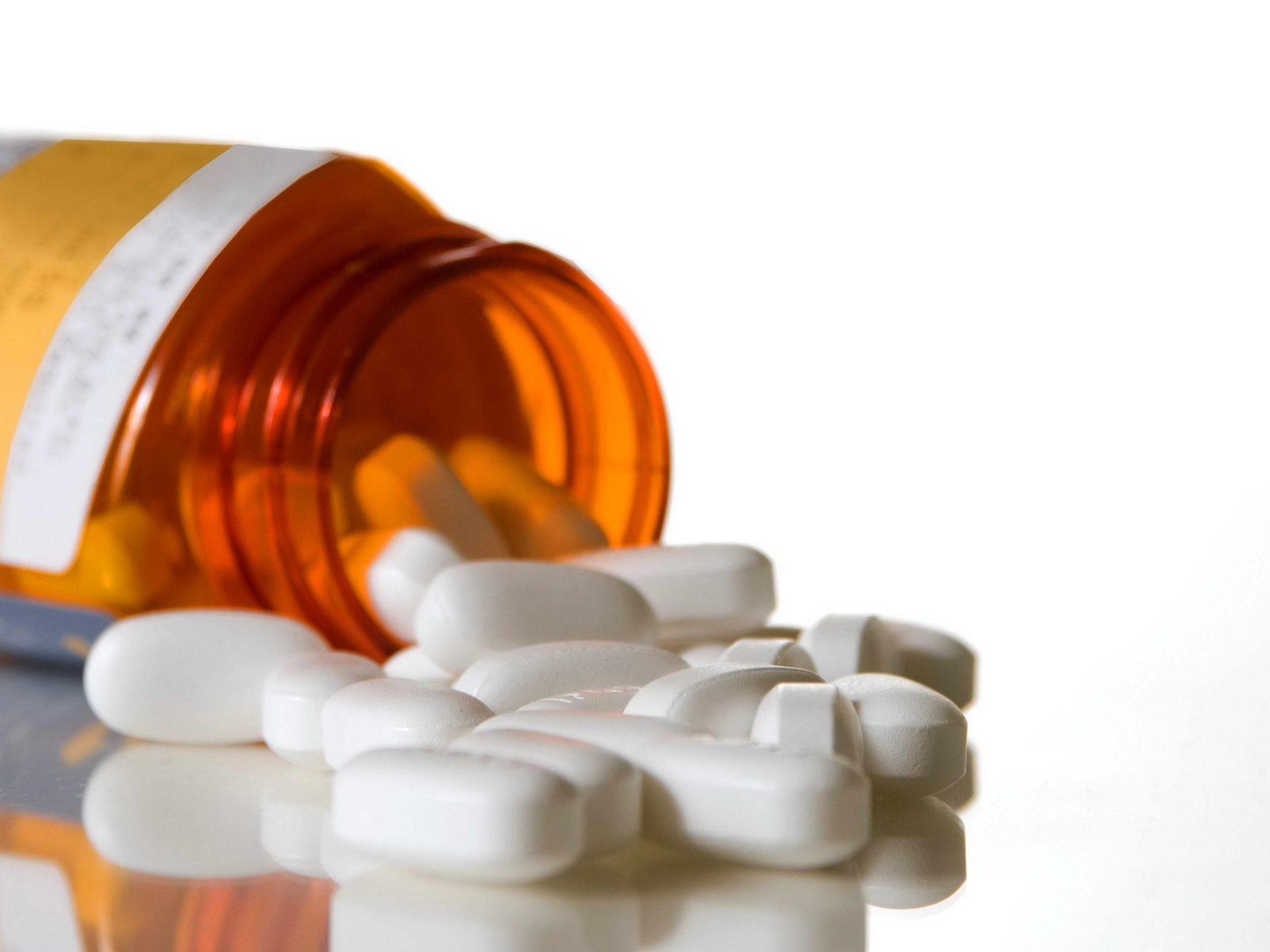
Medicine is probably one of mankind’s biggest accomplishments. It can be listed up there with farming, electricity and the microchip as one of the advances that fundamentally changed how people lived, mainly because it gave us power over our own bodies that we had never had before. It might seem counterintuitive to think that medications could ever hurt us, but the reality is that medication misuse and adverse reactions cause more than 700,000 visits to the emergency room each year. A lot of these things could be prevented pretty easily, with careful attention to medication safety. Read on to learn the risk factors and how you can keep your family safe!
The biggest risk factor, hands down, is user error. This includes incorrect dosages, not following doctor’s instructions and taking the wrong medication for an ailment. Another risk is medication interactions, which is when substances in the medications you’re taking cause adverse reactions when mixed with other medications. You could also be allergic to the medication you’re taking. This happens most often with medications for acute illnesses like a bacterial infection, rather than long-term or chronic conditions. Finally, children are often at risk of taking too much of a medication, whether they got into it themselves or their parents accidentally overdosed them.
There are ways to help prevent most of the risks above. First, make sure you read and understand the dosing instructions on every medication label. This will go a long way to preventing accidental errors with dose size or timing. Next, make sure you keep a list of allergies and all medications for every family member with you when you go to the doctor or the pharmacy. This is good to have on hand to prevent adverse interactions or allergic reactions. And always keep medications out of reach of children, and dispose of them when you’ve finished taking them. Never save a prescription medication “for later,” because the medicine could expire or be ineffective the next time around.
With the amount of good medicine can do, it can also do a lot of harm if not taken correctly. We all get sick sometimes, but if you remember these tips, you’ll be able to keep your family safe and get them healthy faster! If you have questions about the medicines you’re taking or need to be seen fast for an illness, find your local AFC Urgent Care and pay them a visit!