
What Is the Super Flu? (Super Flu Explained)
Table of Contents What Does “Super Flu” Actually Mean? Is the Super Flu Different From the Regular Flu? Why Does
Read More
Physical Assessments & Screenings:
Staying on top of your health doesn’t have to be complicated or time-consuming. Whether you need a sports physical for your teenager, a camp screening for your child’s summer adventure, or a routine health assessment, American Family Care makes it simple with convenient walk-in service and no appointment necessary.
Physical assessments and health screenings are essential preventive care measures that help identify potential health issues before they become serious problems. At AFC, we understand that busy families need flexible healthcare options that fit their schedules. That’s why our experienced medical professionals are ready to provide comprehensive physical exams when you need them most.
From basic wellness checkups to specialized sports physicals, our urgent care centers offer affordable, accessible healthcare services to keep you and your family healthy and active.
Not all physical exams are the same. Each type serves a specific purpose and focuses on different aspects of your health. Understanding which type of assessment you need helps ensure you get the right care at the right time.
Sports physicals, also called pre-participation physical evaluations (PPE), are specifically designed to assess whether it’s safe for athletes to participate in their chosen sport. These comprehensive exams focus on:
Most schools and sports organizations require current sports physicals before allowing participation in athletics, making them essential for student-athletes of all ages.
School physical exams ensure students meet health requirements for enrollment and participation in educational activities. These assessments typically include:
Many states require school physicals for new students or at specific grade levels, making them essential to back-to-school preparation.
Summer camps, overnight programs, and recreational activities often require health clearances to ensure participant safety. Camp physicals focus on:
These assessments help camp staff understand participants’ special needs or health considerations.
Some jobs require physical assessments to ensure workers can safely perform their duties. Employment physicals may include:
Regular wellness checkups are the foundation of preventive healthcare, helping identify health issues early when they’re most treatable. These comprehensive exams include:
Commercial drivers require specialized physical examinations to maintain their commercial driver’s licenses. DOT physicals assess:
Certified medical examiners must perform these federally mandated exams, which are typically required every two years.
Individuals applying for permanent residency or certain visas may need immigration medical examinations. These specialized assessments include:
Before specific surgical procedures, patients may need clearance examinations to ensure they’re healthy enough for surgery. These assessments focus on:
Understanding what happens during a physical exam helps you prepare and ensures you get the most from your visit. At American Family Care, we strive to make every physical assessment thorough yet comfortable.
Before your physical, gather necessary information, including:
Check-in and Medical History
Your visit begins with updating your medical history, including any new symptoms, injuries, or health changes since your last visit. Our staff will review your current medications and ask about your family medical history.
Vital Signs Assessment
We’ll measure your:
Physical Examination
Our medical professionals will conduct a systematic examination including:
Specialized Testing (When Applicable)
Depending on your age, health status, and the type of physical, additional tests might include:
After the examination, your healthcare provider will discuss:
The entire process typically takes 30-45 minutes, though this can vary based on the complexity of your health needs and the type of physical required.
Immediate Results and Discussion
Most physical examination findings can be discussed immediately after your exam. Your healthcare provider will:
Documentation and Clearance
For sports, school, or employment physicals, you’ll receive:
Follow-Up Care Planning
If your physical reveals areas that need attention:
Health Education and Counseling
Every physical includes personalized health education covering:
Staying current with vaccinations and health screenings is crucial for maintaining good health and meeting school, sports, or employment requirements. American Family Care provides comprehensive immunization services and health screenings as part of our physical assessment offerings.
School-Age Children and Adolescents
Most schools require current immunizations, including:
Adults
Adult vaccination needs may include:
Age-Appropriate Screenings
Different life stages require specific health screenings:
Children and Adolescents:
Adults:
We provide complete documentation of all vaccinations and health screenings, including:
Our staff can help ensure you have all necessary documentation for school enrollment, sports participation, or employment requirements.
Travel Vaccinations
If you’re planning international travel, you may need additional vaccinations depending on your destination:
High-Risk Population Vaccinations
Certain individuals may need additional vaccines based on health conditions or occupational exposure:
Depending on your age and risk factors, your physical may include several blood tests that provide valuable insights into your overall health status.
A Complete Blood Count (CBC) is a comprehensive test that evaluates overall health and can detect various conditions, including infections, anemia, and blood disorders. This test examines different components of your blood, including red blood cells, white blood cells, and platelets, giving your healthcare provider a complete picture of your blood health. The CBC is recommended annually for adults over 50 or those with chronic conditions, as it can help monitor disease progression or detect new health issues early.
The Comprehensive Metabolic Panel (CMP) tests assess kidney and liver function, blood sugar levels, and electrolyte balance. This screening tool is crucial for detecting diabetes, kidney disease, and various metabolic disorders that might not present obvious symptoms in their early stages. The CMP provides essential information about how well your organs function and whether your body’s chemistry is properly balanced.
A Lipid Panel measures cholesterol and triglyceride levels, making it critical for cardiovascular risk assessment. This test helps determine your risk for heart disease and stroke by evaluating different types of cholesterol in your blood, including HDL (good cholesterol) and LDL (bad cholesterol). For healthy adults, lipid panels are recommended every 4-6 years, but those with risk factors for heart disease may need more frequent testing to monitor their cardiovascular health.
The Hemoglobin A1C test measures your average blood sugar levels over the past 2-3 months, making it essential for diabetes screening and management. Unlike a simple blood sugar test that only shows your levels at one moment, the A1C provides a broader picture of how well your body has been managing glucose over an extended period. This test is recommended every 3 years for healthy adults, but those at risk for diabetes or those already diagnosed may need more frequent monitoring.
Thyroid Function Tests evaluate thyroid hormone levels, essential for detecting hyperthyroidism (overactive thyroid) and hypothyroidism (underactive thyroid). Your thyroid regulates your metabolism, energy levels, and overall health, so proper function is essential for feeling your best. These tests are particularly important for women over 60, who are at a higher risk of developing thyroid disorders.
Cancer screenings are preventive tests designed to detect cancer before symptoms appear, when treatment is most effective. Different types of cancer require different screening approaches based on gender, age, and risk factors.
Women’s Health Screenings
Pap smears are cervical cancer screening tests that detect abnormal cells before they become cancerous. Women ages 21-65 should have a Pap smear every 3 years, or every 5 years when combined with HPV testing. This simple test has dramatically reduced cervical cancer rates and is one of the most effective cancer prevention tools available.
Mammograms are specialized breast X-rays used to detect breast cancer in its early stages. Women ages 40-49 should discuss mammography with their healthcare provider based on individual risk factors, while women 50 and older should have annual mammograms. Early detection through mammography significantly improves treatment outcomes and survival rates.
Bone density screenings help detect osteoporosis, which weakens bones and increases fracture risk. Women should begin bone density testing at age 65, or earlier if they have risk factors such as family history, smoking, or certain medications that can affect bone health.
Men’s Health Screenings
Prostate cancer screening typically involves a discussion with your healthcare provider about the benefits and risks of testing, starting at age 50 for average-risk men or age 45 for those at higher risk due to family history or other factors. The screening may include a PSA (prostate-specific antigen) blood test and a digital rectal exam.
While not a formal medical screening, monthly testicular self-examinations are recommended for men ages 15-35, as testicular cancer is most common in this age group. Your healthcare provider can teach you the proper technique and what to look for during these self-checks.
Universal Cancer Screenings
Colonoscopy screening for colorectal cancer should begin at age 45-50 for average-risk individuals, with repeat screening every 10 years if results are normal. Those with risk factors like family history may need to start screening earlier or have more frequent examinations. This screening can detect and remove precancerous polyps, preventing cancer from developing.
Annual full-body skin examinations are recommended, especially for individuals with multiple moles, a family history of skin cancer, or significant sun exposure. During these screenings, healthcare providers examine your skin for unusual moles, spots, or changes that could indicate skin cancer, including melanoma.
Cardiovascular disease remains the leading cause of death in the United States, making heart health assessment a critical component of any comprehensive physical examination.
Blood Pressure Monitoring
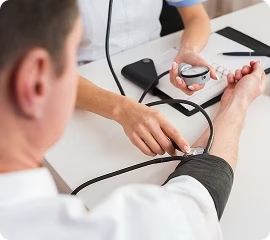
Blood pressure is checked at every healthcare visit as it’s one of the most important indicators of cardiovascular health. Home monitoring may be recommended for those with elevated readings to get a more complete picture of blood pressure patterns throughout daily activities. The target blood pressure for most adults is less than 120/80 mmHg, though individual targets may vary based on age and other health conditions.

Electrocardiogram (EKG)
An electrocardiogram may be recommended for adults over 40 or those with cardiovascular risk factors such as high blood pressure, diabetes, or a family history of heart disease. EKGs are also required for many sports physicals to ensure safe participation in athletic activities. This simple test helps detect heart rhythm abnormalities, previous heart attacks, and other cardiac conditions that might not cause noticeable symptoms.

Stress Testing
Stress testing may be recommended for individuals experiencing chest pain, shortness of breath, or those with multiple cardiac risk factors. While not routinely performed during standard physical examinations, your healthcare provider may recommend stress testing based on your examination findings, symptoms, or risk profile. These tests evaluate how well your heart functions during physical activity and can detect coronary artery disease that might not be apparent at rest.
Timing is important when it comes to physical assessments. Understanding when to schedule your visit ensures you meet deadlines and maintain optimal health.
The best time to schedule a sports physical is 4-6 weeks before the season begins. This timing is crucial because it allows adequate time to address any health issues discovered during the examination without delaying your athlete’s participation. Avoid last-minute scheduling that might delay sports participation if problems are found, as some conditions may require follow-up care or specialist consultation before clearance can be given.
Optimal timing for school physicals is during the summer months before school starts, when schedules are more flexible and appointments are more readily available. It’s important to consider that some states require physicals within specific timeframes, often within 12 months of enrollment, so checking your school district’s requirements early is essential. Planning and scheduling early helps you avoid the back-to-school rush when many families compete for the same appointment slots.
Annual wellness exams should be scheduled once per year for adults, while children may need more frequent checkups depending on their age and health status. The best practice is to schedule your wellness exam around your birthday or at the same time each year, making it easier to remember and maintain consistency in your healthcare routine. Many insurance plans cover annual wellness visits at 100%, making this preventive care completely free when you stay within your network.
For Athletes:
For Everyone:
For Students:
Convenience That Fits Your Schedule
American Family Care understands that busy families need healthcare options that work around their schedules, not the other way around. That’s why no appointment is necessary. Simply walk in when it’s convenient for you, whether during your lunch break, after work, or on weekends. Our extended hours include evenings and weekends, and with multiple Atlanta-area locations, you can always find a convenient AFC center near your home, work, or school.
Comprehensive Care
Our experienced healthcare providers deliver complete physical examinations that meet all requirements for sports, school, employment, or wellness purposes. When additional testing is needed, our on-site laboratory services provide immediate results, eliminating the need for separate visits or waiting days for results. We also provide vaccination administration and maintain comprehensive immunization records, offering same-day clearance for sports, school, or employment when everything checks out during your visit.
Affordable Healthcare
Quality healthcare doesn’t have to break the bank at American Family Care. We believe in transparent pricing with no hidden fees, so you’ll always know what to expect before receiving care. Most insurance plans are accepted, and cash pay options are available for those without insurance coverage. Our services cost significantly less than emergency room visits while providing the same thorough, professional care you need for your physical assessment.
Infants and Toddlers (0-2 years):
Preschool Children (3-5 years):
School-Age Children (6-11 years):
Adolescents (12-18 years):
Young Adults (19-39 years):
Middle-Aged Adults (40-64 years):
Older Adults (65+ years):
When to Seek Immediate Physical Assessment:
Pre-Travel Health Consultations:
Occupational Health Timing:
Understanding Your Coverage
Most insurance plans cover annual preventive care visits at 100%, making your wellness exam completely free when you stay within your network. However, sports and school physicals may have different coverage rules, so it’s important to verify with your insurance provider beforehand. Employment physicals are typically covered by employers rather than personal insurance, and it’s always wise to check with your insurance provider about specific coverage details for any type of physical examination.
Maximizing Your Healthcare Dollar
To get the most value from your healthcare spending, consider scheduling annual physicals early in the year to maximize your insurance benefits before deductibles reset. You can also save time and money by combining multiple services, such as physical exams, vaccinations, and screenings in one comprehensive visit. Taking advantage of preventive care benefits that don’t count toward your deductible ensures you get the most from your insurance coverage.
AFC’s Payment Options
American Family Care accepts most major insurance plans and provides transparent pricing available upon request, so you’ll never be surprised by unexpected costs. For larger bills, payment plans are available to make healthcare more accessible, and our services remain significantly more affordable than hospital-based care while providing the same quality of comprehensive physical assessments.
Most physical exams take 30-45 minutes, though the exact time depends on the type of physical and any additional testing required.
Bring your insurance card, a list of current medications, any required forms from schools or employers, and questions you want to discuss with your healthcare provider.
Yes! American Family Care can provide both services during the same visit, making it convenient for busy families.
Adults should have annual wellness exams, while children may need more frequent checkups. Sports physicals are typically required annually for student-athletes.
Our healthcare providers will discuss any findings with you and provide recommendations for follow-up care, including referrals to specialists when necessary.
Yes, we can complete all standard physical examination forms that schools, employers, and sports organizations require.
Absolutely! Preventive care is one of the most important aspects of maintaining good health, and regular physicals help identify potential issues before they become serious problems.
Don’t wait to prioritize your health and meet necessary physical assessment requirements. American Family Care makes getting the comprehensive care you need easy with convenient walk-in service at our locations.
Book Your Care

come in when it’s convenient for you

who specialize in comprehensive physical exams

including vaccinations, health screenings, and documentation

that costs significantly less than emergency room visits

with transparent pricing
Visit an American Family Care location near you, no appointment required. Our friendly staff and experienced medical professionals are here to provide the thorough, compassionate care you deserve.
Book Your CareThe information on this website, including but not limited to, text, graphics, images, and other material, is for informational purposes only. This content is not intended to be a patient/physician relationship, is not a substitute for professional medical advice, diagnosis, or treatment. Always seek the advice of your physician or other qualified health care provider with any questions you may have regarding a medical condition or treatment and before undertaking a new health care regimen. Never disregard professional medical advice or delay in seeking it because of something you have read on this website. If you think you may have a medical emergency, call your doctor or 911 immediately.
Table of Contents What Does “Super Flu” Actually Mean? Is the Super Flu Different From the Regular Flu? Why Does
Read More
Table of Contents What Is a Sprain? Common Signs of a Sprain What Is a Fracture? Common Signs of a
Read More
Table of Contents Why Sports Physicals Are Required What’s Required for Sports Physicals? What’s Screened During Sports Physicals? Sports Physicals
Read More