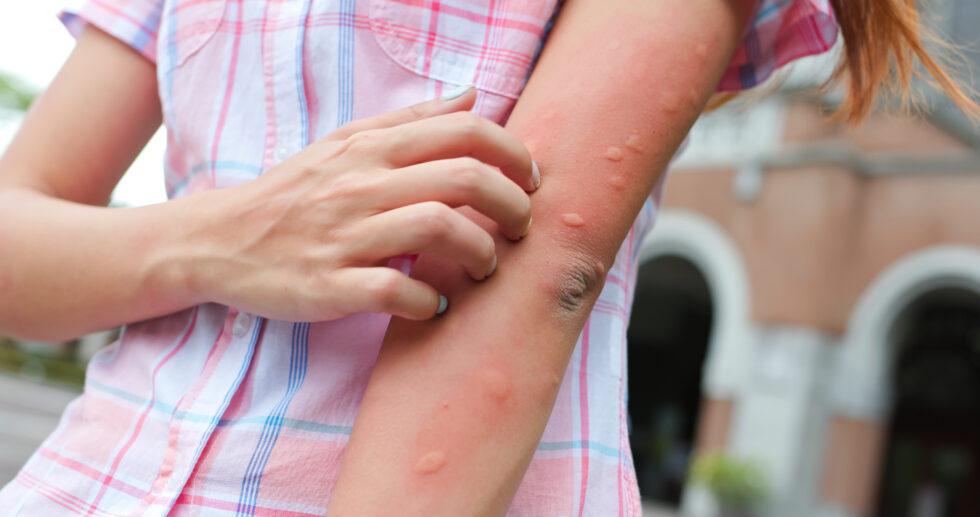
Summer in North Carolina tends to fill calendars quickly. Longer evenings, outdoor events, neighborhood gatherings, local shopping, and spontaneous plans after work all make it easier to spend more time outside. Around Statesville, warmer temperatures and seasonal humidity also happen to create ideal mosquito conditions, which means itchy mosquito bites can become an unwelcome part of summer.
For most people, mosquito bites are little more than a temporary annoyance. They itch for a few days, create a small bump, and eventually disappear. But sometimes a bite seems to tell a different story. Maybe it becomes unusually swollen, keeps getting redder, or starts looking dramatic enough to make you wonder whether it is still a normal reaction.
If you have ever found yourself comparing your mosquito bite to everyone else’s and thinking yours seems way worse, you are not imagining things.
Understanding what causes mosquito bites, how to prevent them, and what signs may suggest a stronger reaction can make summer more comfortable and help you know when it may be time to visit urgent care.
Visit AFC Statesville for convenient walk-in care.
Why Do Mosquito Bites React Differently from Person to Person?
Mosquito bites seem simple on the surface, but the reaction you see afterward is actually your immune system at work.
When a mosquito feeds, it releases saliva into the skin. Your body recognizes proteins in that saliva and responds with inflammation. That process creates the itching, redness, swelling, and raised bumps that people associate with mosquito bites.
Common mosquito bite symptoms include:
- Itching
- Mild swelling
- Red or pink skin
- Raised areas around the bite
- Temporary tenderness
The intensity of the reaction can vary widely.
Some people barely notice mosquito bites at all while others develop large itchy welts after only limited exposure. Children often react more dramatically, but adults can also notice stronger reactions depending on skin sensitivity, environmental exposure, and how often they are bitten.
How to Prevent Mosquito Bites Without Missing Out on Summer
The goal is not avoiding outdoor activities; it is reducing how often mosquitoes become part of the experience.
Preventing bites usually works best when several practical habits are combined instead of relying on one solution.
Make Repellent Part of Your Routine
Many people wait until they see mosquitoes before reaching for repellent, but prevention is usually more effective when it starts before exposure.
Applying an EPA-registered insect repellent before outdoor activities can help reduce bites and make time outside more enjoyable. If you know you will be attending evening events, sports practices, community activities, or spending extra time outdoors, getting ahead of mosquito exposure often works better than trying to recover afterward.
Dress With Comfort and Coverage in Mind
North Carolina summers are hot enough without adding unnecessary layers, but strategic clothing choices can still help.
Breathable fabrics, lightweight long sleeves, and slightly more coverage during early morning and evening hours may reduce exposed skin while keeping you comfortable.
If mosquitoes always seem to find you first, even small adjustments to clothing may make a noticeable difference.
Pay Attention to Standing Water Around Your Home
Mosquitoes do not need ponds or large wooded areas to multiply.
Warm weather and summer rain create opportunities for small amounts of water to collect around homes, creating conditions mosquitoes love. Emptying these spaces of standing water helps to reduce mosquito reproduction.
Take a few minutes each week to check common problem areas such as:
- Flowerpots
- Buckets
- Bird baths
- Outdoor furniture
- Kiddie pools
- Gutters
- Toys left outdoors
Turning mosquito prevention into a regular habit instead of a seasonal cleanup project can make outdoor time much more enjoyable.
Adjust Timing Instead of Changing Plans
You should not have to stay indoors to avoid mosquito bites.
Mosquito activity often increases around sunrise and after temperatures begin cooling in the evening. Making small adjustments to outdoor timing of outdoor activities can sometimes reduce how many bites you end up dealing with later.
What Can Help Mosquito Bites Heal Faster?
Once a mosquito bite appears, reducing irritation becomes a priority.
The hardest part for most people is avoiding scratching. While scratching feels helpful temporarily, it often increases inflammation and may irritate the skin even more.
For routine mosquito bites, try:
- Washing gently with soap and water
- Using cool compresses throughout the day
- Applying anti-itch creams as directed
- Considering antihistamines if appropriate
- Avoiding repeated scratching or rubbing
Managing symptoms early may shorten the itch-and-scratch cycle and help bites calm down faster.
Most uncomplicated mosquito bites improve within several days.
Could It Be Skeeter Syndrome?
If swelling becomes much larger than expected or seems disproportionate to a typical mosquito bite, another possibility is Skeeter Syndrome.
Skeeter Syndrome is an exaggerated inflammatory reaction caused by sensitivity to mosquito saliva.
Symptoms may include:
- Significant swelling
- Intense itching
- Warm skin
- Firmness around the bite
- Redness extending outward
These reactions often appear quickly and sometimes resemble skin infections.
Children tend to experience stronger reactions more frequently, but adults can develop them as well.
Because severe swelling may occasionally look similar to cellulitis, it may help to have symptoms evaluated if they continue to worsen or do not seem typical.
Walk in or book online with AFC Statesville, if mosquito bites become unusually uncomfortable or continue changing after several days.
When Should You Visit Urgent Care?
Most mosquito bites improve without treatment, but certain symptoms deserve attention.
Consider visiting urgent care if you notice:
- Increasing swelling
- Spreading redness
- Fever
- Drainage
- Painful swelling
- Difficulty sleeping because of symptoms
- Bites that continue worsening over time
Difficulty breathing, facial swelling, or widespread hives should always be treated as an emergency. Call 911 immediately if you or someone you know is experiencing any of these symptoms.
Don’t Let Mosquito Bites Take Over Your Summer
Summer should be remembered for the plans you made, not the mosquito bites you brought home afterward.
Whether your season includes local events, evenings outdoors, neighborhood gatherings, or simply spending more time outside with family, mosquito bites should not become the reason those plans slow down.
At AFC Statesville, our team provides walk-in care for mosquito bites, summer skin concerns, mild allergic reactions, and other non-emergency illnesses and injuries. No appointment is required, so you can get evaluated, find relief, and get back to enjoying everything North Carolina summer has to offer.