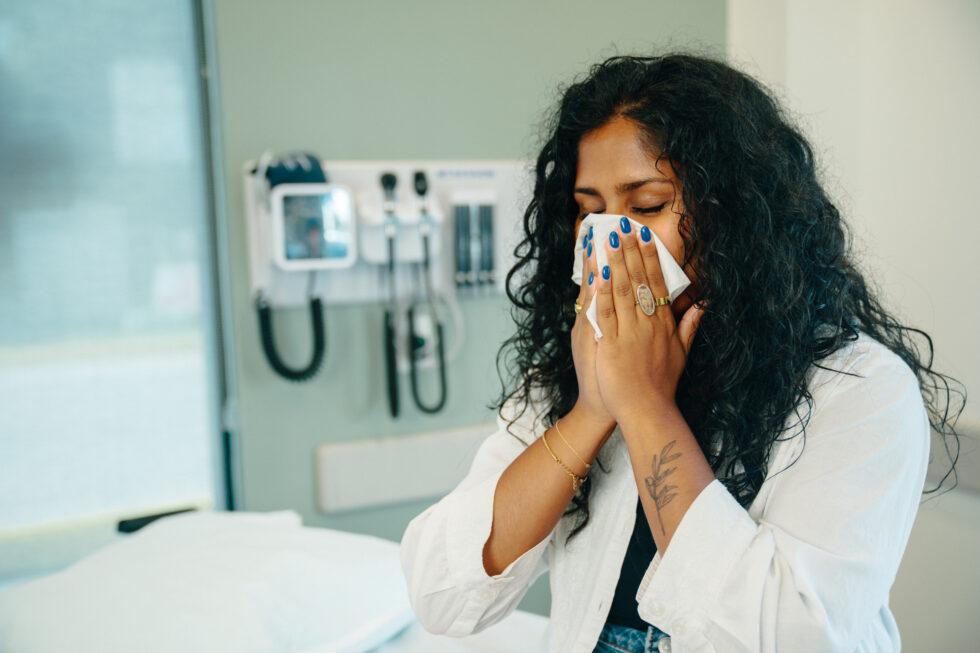
Not sure if it’s allergies or COVID-19? Learn the key symptom differences and when to visit AFC South Asheville for testing and treatment.
Spring blooms, warmer weather, and rising pollen counts are a familiar part of life in South Asheville. Whether you’re spending time at Lake Julian Park or enjoying a walk through Biltmore Park Town Square, seasonal allergens can quickly turn outdoor fun into days of sneezing and congestion. However, because many allergy symptoms overlap with COVID-19 symptoms, it can be difficult to determine what’s causing you to feel unwell. Understanding the key differences can help you decide when to manage symptoms at home and when to seek medical care or testing in South Asheville.
Symptoms Seasonal Allergies and COVID-19 Share
Both seasonal allergies and COVID-19 can cause:
- Runny nose
- Nasal congestion
- Sneezing
- Coughing
- Fatigue
- Headaches
- Postnasal drip
- Sore throat
Because of this overlap, many people initially mistake one condition for the other. Healthcare providers frequently see patients who assume they are experiencing seasonal allergies when they may actually have a viral illness. Respiratory symptoms alone are not always enough to distinguish between allergies and COVID-19, especially during peak allergy seasons in Western North Carolina.
Signs Your Symptoms May Be Allergies
Seasonal allergies occur when your immune system reacts to allergens such as pollen, grass, weeds, or mold. Unlike COVID-19, allergies are not caused by a virus and cannot spread from person to person.
Symptoms that are more commonly associated with allergies include:
- Itchy eyes
- Itchy nose or throat
- Frequent sneezing
- Clear, watery nasal drainage
- Symptoms that worsen outdoors or during high-pollen days
- Symptoms that return around the same time each year
Many allergy sufferers in South Asheville notice that symptoms become worse after spending time outdoors during the spring and fall months when pollen counts are elevated. Others find that symptoms improve significantly after taking antihistamines or limiting exposure to known allergy triggers.
For current pollen levels in the Asheville area, visit the National Allergy Forecast from Pollen.com.
Signs Your Symptoms May Be COVID-19
COVID-19 symptoms can range from mild to severe and often develop within several days of exposure. According to the Centers for Disease Control and Prevention (CDC), common symptoms include:
- Fever or chills
- Cough
- Fatigue
- Body aches
- Headache
- Sore throat
- Congestion or runny nose
- Nausea, vomiting, or diarrhea
- Shortness of breath
While congestion and coughing can occur with both allergies and COVID-19, symptoms such as fever, chills, and body aches are much more commonly associated with COVID-19. If you’re experiencing these symptoms in South Asheville, testing may be recommended to confirm the cause of your illness.
Review current guidance from the CDC here: CDC COVID-19 Symptoms Guide.
When Testing Is the Best Option
Unfortunately, symptoms alone do not always provide a clear answer. Some individuals with COVID-19 initially experience symptoms that feel very similar to seasonal allergies, particularly congestion, sneezing, and fatigue.
If you are unsure whether your symptoms are related to allergies or COVID-19, testing is often the most reliable way to determine the cause. Early testing can help prevent spreading illness to others and ensure that you receive appropriate treatment recommendations.
When to Visit AFC Urgent Care
Consider visiting AFC Urgent Care South Asheville if you experience:
- Symptoms that continue to worsen
- Fever that does not improve
- Shortness of breath
- Persistent sinus pressure or facial pain
- Severe sore throat
- Symptoms lasting longer than expected
- Concerns about COVID-19 exposure
An urgent care provider can evaluate your symptoms, recommend appropriate testing, and create a treatment plan tailored to your needs. Seeking care early may help reduce complications and get you feeling better sooner.
If you are searching for an urgent care near you or a walk-in clinic in South Asheville, our medical team is available to help diagnose and treat a variety of respiratory illnesses.
Finding Relief
Whether you’re dealing with seasonal allergies, COVID-19, or another respiratory illness, getting the right diagnosis is the first step toward relief. Early evaluation can help you avoid unnecessary discomfort, identify the underlying cause of your symptoms, and begin the appropriate treatment plan.
If you’re experiencing congestion, coughing, sinus pressure, fatigue, or other respiratory symptoms, visit AFC Urgent Care South Asheville. Our experienced providers offer walk-in medical care, symptom evaluation, and COVID-19 testing to help you get back to feeling your best.
Walk in today or book an appointment online for convenient, same-day care.