Fall brings cooler temperatures, seasonal activities, and plenty of opportunities to spend time outdoors. Unfortunately, it can also bring an increase in allergy symptoms. Sneezing, a stuffy nose, itchy eyes, skin irritation, and other reactions can make it harder to enjoy your everyday routine.
Allergies impact one in three people in the U.S., making them one of the most common chronic conditions. An allergic reaction occurs when the immune system mistakes a harmless substance for a threat and responds to it. These allergens can be inhaled, consumed, or encountered through contact with the skin.
When pollen causes an allergic reaction, it is considered a seasonal allergy. Seasonal allergies in Tennessee consist of three main pollen groups: tree pollen in the spring; grass pollen in the summer; and ragweed pollen in the fall.
You can still make the most of fall in Fountain City, even when ragweed pollen is at its peak. By knowing when pollen counts are highest, watching for allergy symptoms, and taking steps to reduce your exposure, you can better enjoy the season. And if your symptoms become difficult to manage, AFC Urgent Care Fountain City is available to provide the care you need.
Identifying Ragweed
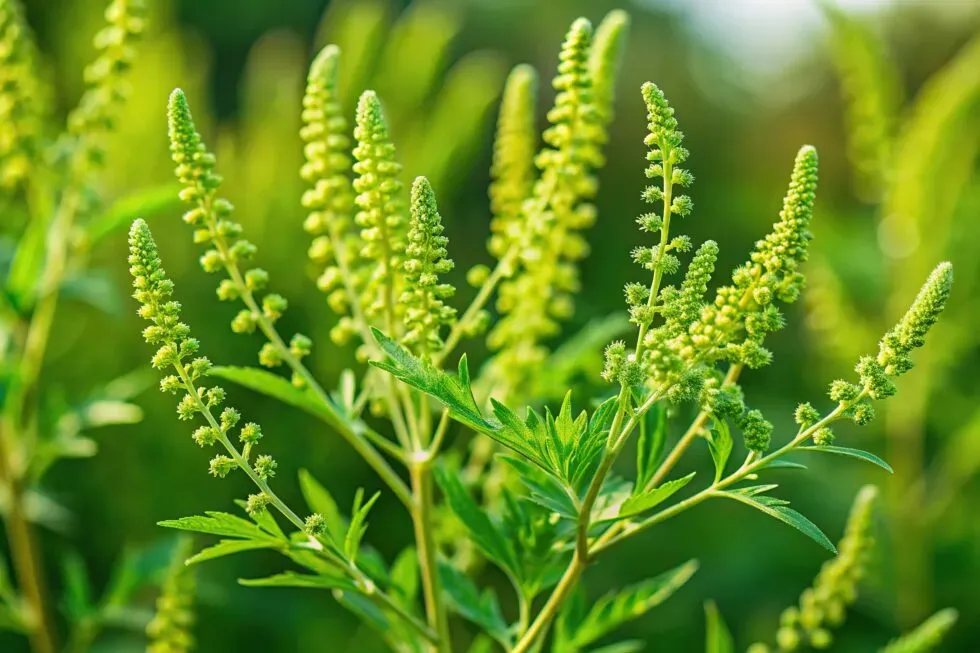
Ragweed is a type of wild weed belonging to the daisy family. It has hairy stems, delicate leaves that resemble ferns, and small greenish-yellow flowers.
Although ragweed is an annual plant that survives for just one growing season, it can produce an enormous amount of pollen. According to the Asthma and Allergy Foundation of America, one ragweed plant can release up to 1 billion pollen grains into the air. These lightweight pollen particles can travel through the air, making it difficult to avoid them completely during peak allergy season.
Ragweed Season in Tennessee
Ragweed pollen typically begins appearing in Tennessee in early August, with levels often reaching their highest point in September. The season can continue through October and November before ending with the first frost.
Monitoring local pollen levels can help you determine when you may need to take extra precautions. There are many resources you can use to track pollen counts throughout the Fountain City area, including:
- The Weather Channel’s Daily Pollen Breakdown
- PollenWise app
- American Academy of Allergy, Asthma & Immunology (AAAAI)
Symptoms of Ragweed Allergies
Ragweed allergies can produce symptoms that are similar to other seasonal allergies, and resemble symptoms of the common cold. Common ragweed allergy symptoms include:
- Sneezing
- Runny or congested nose
- Itchy or watery eyes
- Skin rashes
- Coughing or wheezing
- Nausea or vomiting
Ragweed can also contribute to pollen food allergy syndrome (PFAS) in some people. PFAS occurs when the immune system mistakes proteins in certain foods for ragweed pollen, potentially causing itching or swelling around the mouth. Foods that may trigger these symptoms include bananas, cantaloupe, cucumber, honeydew, and watermelon. For more information, visit the Asthma and Allergy Foundation of America.
Although AFC Urgent Care Fountain City does not provide allergy testing or allergy shots, our medical providers can assess your symptoms and recommend appropriate treatment to help you get relief.
How Urgent Care Can Help with Allergies
Mild seasonal allergy symptoms can often be managed with over-the-counter medications. However, more persistent or severe symptoms may require professional medical attention. A visit to AFC Urgent Care may be appropriate if your allergies cause:
- Wheezing, chest tightness, or breathing difficulties.
- Severe congestion can interfere with your ability to sleep, which can worsen and lengthen your symptoms.
- Frequent itching and rubbing of the eyes can potentially contribute to an infection.
- Widespread hives, significant itching, or quickly developing swelling may require medical attention.
Steps to Avoid Ragweed Pollen
Completely avoiding ragweed during the fall can be challenging, but there are ways to reduce how much pollen you encounter. The Mayo Clinic recommends several strategies for limiting seasonal allergy exposure:
- Spend less time outdoors on dry, windy days: Rain can help remove pollen from the air, making the time afterward more favorable for outdoor activities.
- Plan outdoor activities for later in the day: Pollen levels may be higher during the early morning.
- Shower and change clothes after being outside: Washing your skin and hair and changing clothes can help remove pollen you picked up outdoors.
- Improve your indoor air quality: Keep your air conditioning running, use a dehumidifier when needed, and consider a portable HEPA filter.
- Use a saline nasal rinse: A saline rinse may help clear pollen from your nasal passages and ease congestion.
- Prepare for high-pollen days: If pollen counts are expected to be high, taking allergy medication before symptoms appear may help you manage them.
Find Walk-In Allergy Relief in Fountain City
Fall is a season meant for weekends spent outside, strolling through Fountain City Park’s paved paths, heart-shaped pond, and flower gardens. The temperatures are cool and foliage changing colors, but the sneezing, coughing, and runny nose of seasonal ragweed allergies can halt the fall fun.
Take precautions to limit your ragweed exposure and know when to seek treatment from your local AFC Urgent Care in Fountain City. Our clinic is open 7 days a week to evaluate your symptoms and recommend appropriate treatment, helping you enjoy the fall season.