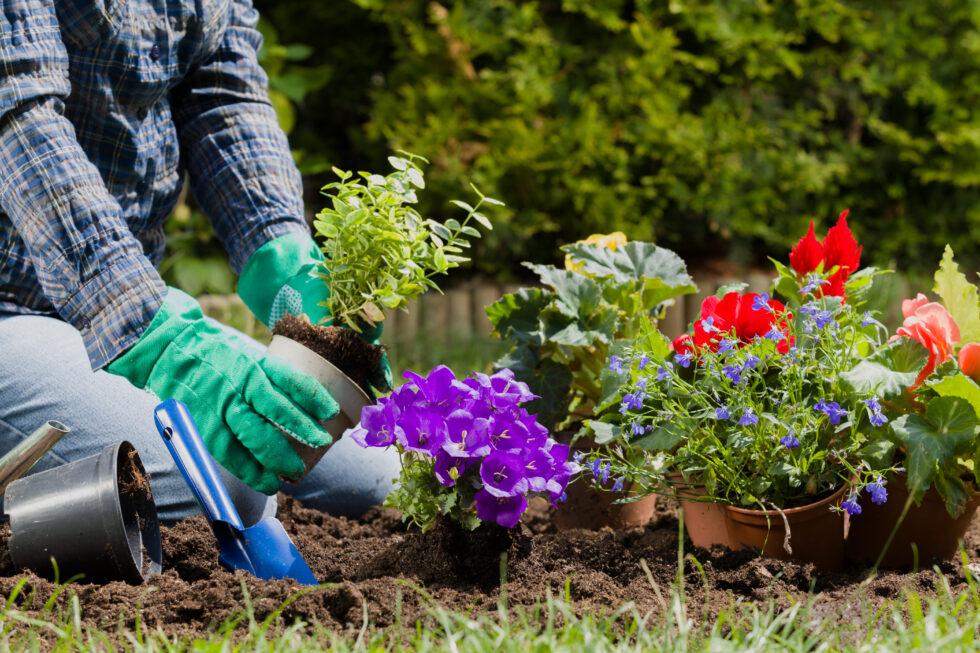
Springtime in Temple brings blooming flowers, greener yards, and plenty of weekends spent outdoors catching up on landscaping projects. Whether you are planting flowers after a visit to a local garden center such as Earthscapes or a bigger garden center like the Home Depot’s Garden Center, cleaning up flower beds around the house, or spending the afternoon tending a vegetable garden; gardening is a great way to enjoy the warmer weather and spend time outside with family.
But after a quieter winter season, many people jump into yardwork too quickly without realizing how physically demanding it can be. Digging, bending, lifting, pulling weeds, and working outdoors for several hours can put added stress on your muscles and joints, especially once warmer Central Texas temperatures begin creeping in.
Fortunately, most common gardening injuries can be avoided with a little preparation and a few simple safety habits.
Visit AFC Urgent Care Temple today.
Why Gardening Can Lead to Injury
Gardening requires repetitive movement that can gradually wear down muscles and joints throughout the day. Reaching, twisting, squatting, kneeling, and lifting all place stress on the body, particularly the lower back, knees, shoulders, and wrists.
Many Temple residents also spend long stretches of time outdoors once spring arrives, especially during weekends filled with home projects and yard cleanup. Because gardening injuries tend to build slowly, people often do not realize how much strain they are putting on their body until soreness appears later that evening or the next morning.
Common gardening injuries include:
- Back and shoulder muscle strains
- Wrist or ankle sprains
- Knee pain from kneeling too long
- Joint stiffness from repetitive movement
- Minor cuts, scrapes, and skin irritation
Outdoor conditions can also increase the risk of dehydration, sunburn, and insect bites during longer gardening sessions.
Use Better Body Mechanics While You Work
One of the easiest ways to reduce strain while gardening is to pay attention to how your body moves throughout the day. Small posture changes and lifting adjustments can make a major difference in preventing soreness and injury.
While working outdoors:
- Bend at your knees instead of your waist
- Keep your back as straight as possible when lifting
- Hold heavy items close to your body
- Avoid twisting while carrying supplies
- Use kneeling pads or gardening benches for support
Switching between tasks throughout the day can also help reduce repetitive stress. Moving from planting to watering, pruning, or cleanup gives certain muscle groups a chance to rest before becoming overly fatigued.
Taking short breaks to stretch and reset your posture can also help your body recover during larger outdoor projects.
Avoid Overuse and Repetitive Strain
One of the biggest reasons gardening injuries happen is because people try to do too much at once. It is easy to stay focused on finishing a project and ignore early signs of soreness or fatigue.
Repetitive movement over long periods can gradually irritate muscles and joints, especially when combined with lifting, crouching, and standing for hours at a time.
To help prevent overuse injuries:
- Rotate gardening tasks every 15–20 minutes
- Alternate between sitting, standing, and walking activities
- Take breaks in shaded areas
- Stretch occasionally throughout the day
- Stop and rest if pain begins to worsen
Pacing yourself can help you stay productive while also protecting your body from unnecessary strain.
Choose Tools That Work with You, Not Against You
The right gardening tools can make outdoor work safer and more comfortable, especially during longer spring projects around the yard.
Helpful gardening tools often include:
- Long-handled tools to reduce bending
- Lightweight equipment that is easier to control
- Ergonomic grips that reduce hand strain
- Kneeling pads or rolling garden stools for support
Keeping tools clean and sharp also matters. Well-maintained tools require less force and reduce stress on your hands, wrists, and shoulders during repetitive tasks.
At the start of spring, many Temple homeowners take time to replace worn-out gloves, gardening tools, and outdoor supplies before jumping into larger landscaping projects.
What to Do If You Feel a Strain or Sprain
Even with good preparation, minor injuries can still happen during yardwork. If you notice swelling, soreness, stiffness, or pain after gardening, treating symptoms early may help prevent a more serious injury.
For mild strains or sprains, the R.I.C.E. method can help reduce pain and swelling:
- Rest – Avoid activities that worsen discomfort
- Ice – Apply cold packs to help reduce swelling
- Compression – Use a supportive wrap if needed
- Elevation – Raise the affected area when possible
If pain continues, swelling worsens, or movement becomes difficult, AFC Urgent Care Temple can provide evaluation and treatment to help you recover safely and comfortably. Walk in or book online for quick, convenient care.
Don’t Forget About Heat and Hydration
Spring weather in Temple may feel pleasant in the morning, but temperatures can rise quickly during the afternoon. Spending several hours of gardening in the direct sun can increase your risk of dehydration and heat exhaustion faster than many people realize.
To stay safer outdoors:
- Drink water regularly throughout the day
- Wear lightweight, breathable clothing
- Take breaks in shaded areas
- Wear sunscreen and a hat for sun protection
- Start larger projects earlier in the day when temperatures are cooler
Feeling dizzy, overheated, weak, or unusually tired may be a sign that your body needs time to cool down and recover.
Stay Active, Safe, and Pain-Free This Season
Gardening should be something you enjoy, not something that leaves you sore or recovering days afterward. By using proper lifting techniques, pacing yourself, staying hydrated, and taking breaks when needed, you can reduce your risk of many common gardening injuries this spring.
If you experience persistent pain, swelling, dehydration symptoms, or signs of infection after outdoor work, AFC Urgent Care Temple is here to help with convenient walk-in care close to home. We’ll get you back to enjoying the fresh air, sunshine, and satisfaction that comes with a healthy, thriving garden.