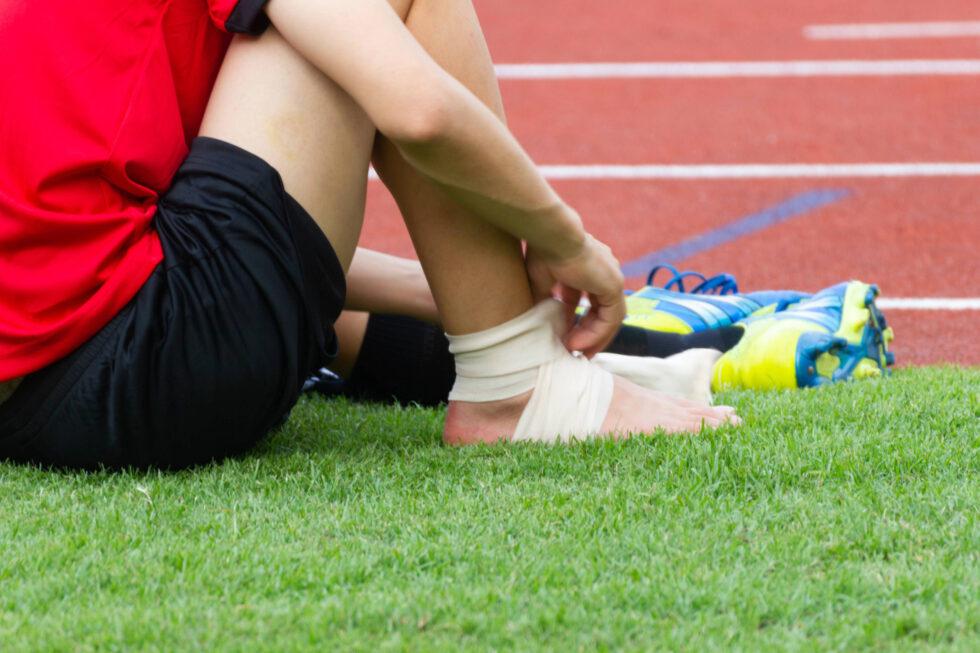
Spring in Massachusetts feels like a reset. Fields reopen, practices begin, and kids jump back into soccer, baseball, softball, lacrosse, tennis, track, and more. It’s a great season for confidence and community, but it’s also the time of year when urgent care centers see a predictable surge in sports injuries.
This guide covers the most common spring sports injuries in kids, how to respond quickly, and when to visit AFC Urgent Care North Andover. For directions and hours, visit AFC Urgent Care North Andover.
Why Spring Sports Injuries Happen More Often Than Parents Expect
Rapid ramp-up in workload
A common pattern is a relatively quiet winter followed by immediate high-volume training. More practices and more games in a short window increase the risk of overuse injuries and make falls or missteps more likely when kids are fatigued.
Tight muscles and limited mobility
Winter inactivity can reduce flexibility. Tight calves and hamstrings are common causes of strains, shin pain, and Achilles injuries when kids resume sprinting.
Growth spurts
Kids may grow several inches quickly and temporarily lose coordination. Bones lengthen faster than muscles and tendons adapt, which contributes to heel pain, knee pain, and pulled muscles.
Uneven surfaces and weather
Early spring fields can be lumpy. Wet grass and muddy patches increase the risk of slipping. Hard, dry ground can increase the risk of impact injuries.
Multiple sports at once
Many kids play multiple teams or do club and school at the same time. Without rest days, small pains become bigger injuries.
The goal is not to scare families away from sports. It’s to encourage smart prevention and a fast response when an injury occurs.
The First Hour Rule: What Parents Should Do Right Away
Step 1: Stop play and assess function
If your child cannot walk, cannot use the limb normally, or looks unsteady after a head impact, stop play immediately. Playing through pain is how minor injuries become season-ending problems.
Step 2: Control swelling early
For most non-head injuries, early icing and elevation help. The goal is not to “heal” in an hour. The goal is to reduce swelling and pain to improve exam clarity and recovery.
Step 3: Protect the area
Use a wrap, brace, splint, or sling if available. For fingers, buddy taping may help. For ankles, a compression wrap is often useful, but do not wrap so tightly that toes become numb or pale.
Step 4: Watch for red flags
Red flags include deformity, severe pain, numbness or tingling, inability to bear weight, deep wounds, and symptoms of concussion.
Step 5: Decide on urgent evaluation vs home care
If the injury involves a suspected fracture, concussion, severe sprain, or uncontrolled pain, urgent care evaluation is appropriate.
AFC Urgent Care North Andover can quickly evaluate injuries, order X-rays when appropriate, provide splints or braces, and provide return-to-play guidance. Start here: AFC Urgent Care North Andover
The Most Common Spring Sports Injuries in Kids and How to Respond
1: Ankle sprains and foot injuries
Sports where it’s common: soccer, lacrosse, track, baseball, softball
Ankle sprains happen with sudden pivots, stepping into a hole, or landing awkwardly. Foot injuries may occur when a child steps on or twists the midfoot.
Symptoms that suggest a sprain
Pain on the outside of the ankle, swelling that grows over a few hours, bruising, and pain when walking.
Symptoms that raise concern for a fracture
Immediate swelling, point tenderness directly over the bone, inability to bear weight, deformity, or pain at the base of the fifth metatarsal (outside of the foot) after twisting.
Fast response
Rest the ankle, apply ice for 15 to 20 minutes, use a compression wrap, elevate above heart level, and avoid running on it.
When to seek care and consider an X-ray
If your child cannot take four steps, has bone tenderness, or the ankle looks unstable, evaluation is recommended. Clinicians often use the Ottawa ankle rules to decide if imaging is necessary. These rules help reduce unnecessary X-rays while catching true fractures.
At AFC Urgent Care North Andover, we can determine whether an X-ray is appropriate, provide a brace or boot, and guide a safe return to sport. Learn more at AFC Urgent Care North Andover.
2: Knee pain and knee injuries
Sports where it’s common: soccer, lacrosse, track, running sports, softball
Knee issues in spring can be acute (twist, collision, fall) or overuse (gradual pain from training volume).
Common knee problems
Patellofemoral pain syndrome (front of knee pain), Osgood Schlatter (tibial tubercle pain in growing athletes), ligament sprains, meniscus irritation, and contusions.
Signs that suggest you should be evaluated soon
Swelling within hours of injury, locking (knee gets stuck), instability or giving way, inability to straighten fully, severe pain on the inside or outside joint line, or inability to bear weight comfortably.
What to do immediately
Ice and rest; limit painful activity; use a compression sleeve if helpful; and elevate. Avoid forcing range of motion if the knee feels locked or unstable.
When imaging matters
X-rays are often used to rule out fractures when trauma is significant, when pain is focal over bone, or when there is swelling after impact. Soft-tissue injuries such as ligament tears or meniscal injuries are not always visible on X-ray, but X-rays can still be useful for evaluating them.
AFC Urgent Care North Andover can assess the knee, rule out fracture, provide bracing and crutches when needed, and guide next steps, including referral for further imaging if appropriate. Visit the AFC Urgent Care North Andover Website.
3: Wrist, hand, and finger injuries
Sports where it’s common: baseball, softball, lacrosse, basketball, crossover seasons, playground falls
Spring includes lots of catching, sliding, and falls. A jammed finger can be just a sprain, but it can also be an avulsion fracture or tendon injury. Wrist injuries often happen after a fall on an outstretched hand.
Finger injuries to take seriously
Mallet finger (drooping fingertip), inability to fully straighten the finger, significant swelling at a joint, finger that looks crooked, or pain that does not improve over 24 to 48 hours.
Wrist signs that require special attention
Pain in the anatomic snuffbox (thumb side hollow) can indicate a scaphoid fracture. These fractures may not be clearly visible on the initial X-ray but still require immobilization.
First aid
Remove rings immediately because swelling can trap them. Ice, elevate, and stabilize with a finger splint or buddy taping (tape the injured finger to a neighbor’s finger) if alignment looks normal. For wrist pain, use a wrist brace or splint.
When to come in
Deformity, severe pain, snuffbox tenderness, inability to grip, or pain with gentle wrist rotation are good reasons to seek evaluation.
AFC Urgent Care North Andover can perform X-rays, apply splints, and provide follow-up guidance for tendon and fracture care. Learn more at AFC Urgent Care North Andover.
4: Shin pain and stress injuries
Sports where it’s common: track, soccer, lacrosse
“Shin splints” is a phrase parents hear frequently. Some cases of shin pain are mild and improve with rest and changes in footwear. Other causes of shin pain may include a stress reaction or a stress fracture.
Clues that suggest routine overuse
Diffuse pain along the inside edge of the shin that warms up during activity and improves with rest.
Clues that suggest a stress fracture risk
Focal pain in a single spot that hurts even at rest, pain that worsens with each run, swelling at a specific point, and hopping pain.
What parents should do
Reduce running volume, use ice, check footwear, and consider cross-training with a lower-impact activity. If pain is focal or persistent, evaluation is important.
At AFC Urgent Care North Andover, we can assess, decide whether imaging is needed, and guide safe activity modification. Visit the AFC Urgent Care North Andover website.
5: Muscle strains and pulled muscles
Sports where it’s common: sprinting sports, soccer, lacrosse, baseball
Hamstring, groin, and calf strains occur when children sprint without adequate warm-ups or when flexibility is limited.
Key symptoms
Sudden sharp pain, pain with stretching, weakness, and sometimes bruising.
Immediate care
Rest, ice, compression, elevation when appropriate. Avoid aggressive stretching in the first 48 hours.
When to seek evaluation
Severe pain, inability to walk normally, popping sensation, significant bruising, or symptoms that do not improve in several days.
6: Concussions and head injuries
Sports where it’s common: soccer, lacrosse, baseball, softball, playground falls during outdoor practices
Concussions warrant special focus because the risk extends beyond missing a game. The risk is prolonged symptoms and, in rare cases, dangerous complications if a child returns too soon.
Common concussion symptoms
Headache, dizziness, nausea, balance problems, confusion, slowed thinking, irritability, light sensitivity, and sleep changes. Some children seem “off” rather than obviously injured.
AFC Urgent Care North Andover can evaluate concussion symptoms, provide guidance on return to school and return to play, and help families distinguish normal recovery from concerning changes. Start here: AFC Urgent Care North Andover Website.
When to Walk Into Urgent Care Instead of Waiting It Out
- Inability to bear weight or use the limb normally
- Bone tenderness at a specific point
- Visible deformity or rapid swelling
- Numbness, tingling, or coldness in fingers or toes
- Suspected concussion
- Deep cuts that may need closure
- Pain that is severe or not improving after initial first aid
AFC Urgent Care North Andover offers walk-in evaluations; visit our website today.
What to Expect at AFC Urgent Care North Andover for a Sports Injury
- A brief history of how the injury happened
- A focused exam checking range of motion, tenderness, stability, and swelling
- Neurovascular checks, such as pulses, skin color, and sensation
- X-rays are used when a fracture is suspected or when rules indicate imaging
- Treatment such as splinting, bracing, slings, crutches, or wound care
- Clear home instructions with pain control guidance and activity limitations
- Return to play or school notes and, if needed, referral for orthopedic follow-up.
Families appreciate having a plan rather than uncertainty.
Return to Play: The Safe and Realistic Approach
- Pain-free daily activity (walking, stairs)
- Full or near full range of motion
- Strength that matches the uninjured side
- Sport-specific drills without pain or swelling afterward
- Full practice before competition
- For concussion, return to learn comes first, followed by a stepwise return-to-play plan.
If your child is still limping or compensating, it is not the time to compete.
Prevention: Practical Steps That Reduce Injuries
Warm-ups that work
Dynamic warm-ups (light jogging, leg swings, lunges, high knees) prepare the body better than static stretching before play.
Strength and balance
Single-leg balance drills, glute and core strengthening, and calf strengthening reduce the risk of ankle and knee injuries.
Footwear and equipment
Ensure cleats fit correctly and are replaced when traction is poor. Use sport-appropriate protective equipment.
Rest days
At least one rest day per week helps reduce the risk of overuse injuries. If a child plays on multiple teams, parents may need to set boundaries.
Sleep and nutrition
Kids who sleep poorly recover slowly and have a higher injury risk. Encourage consistent sleep, adequate protein intake, and adequate hydration.
Why Families Choose AFC Urgent Care North Andover
- Walk in care without waiting days for an appointment.
- X-rays when needed
- Splinting, bracing, and practical injury plans
- Return-to-play and return-to-school documentation.
- Access across north-andover, Swampscott, North Andover, Methuen, and Haverhill
- Simple location info at AFC Urgent Care North Andover
Spring sports are worth it. Kids gain confidence, friendships, and develop lifelong habits. The key is to respond quickly and correctly when injuries happen, and to avoid the “it’s probably fine” gamble when the signs suggest more.
If your child is injured, needs an X-ray, a brace or splint, or you want clear return-to-play guidance, walk into AFC Urgent Care North Andover today. Start here: AFC Urgent Care North Andover Website.