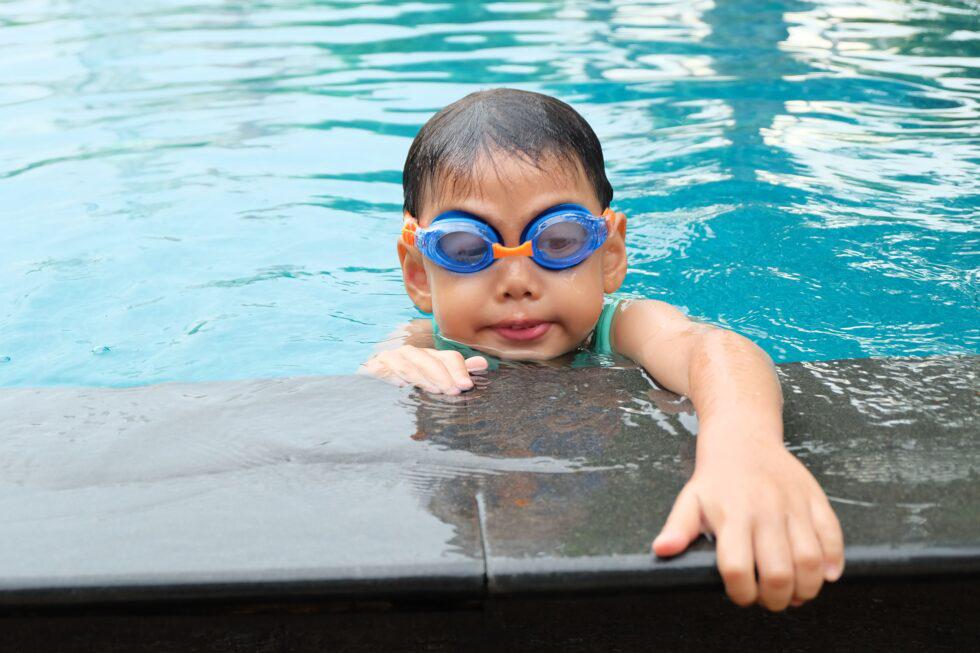
Summer in Cedar Hills often means afternoons at neighborhood pools, family outings to nearby parks, and weekends spent enjoying outdoor activities throughout Washington County. Residents frequently take advantage of warm weather by visiting local recreation areas, spending time at Tualatin Hills Aquatic Center, or heading to nearby lakes and splash pads with family and friends. While all these activities make summer memorable, they can sometimes lead to an uncomfortable condition known as swimmer’s ear.
At AFC Urgent Care Cedar Hills, swimmer’s ear is one of the most common summer conditions we treat in both children and adults. The condition often starts with mild itching or irritation that may seem insignificant at first. However, symptoms can become increasingly painful if treatment is delayed.
The good news is that swimmer’s ear is highly treatable when addressed early. A little awareness and a few preventive measures can help keep your ears healthy and allow you to spend more time enjoying your favorite summer activities around Cedar Hills.
Why Swimmer’s Ear Is More Common During Summer
Swimmer’s ear, also called otitis externa, is an infection that develops in the outer ear canal. The condition usually occurs when moisture becomes trapped inside the ear, creating an environment where bacteria and fungi can grow.
During the summer months, people naturally spend more time in the water. Swimming, participating in recreational activities, and even sweating during hot weather can all increase the likelihood of moisture remaining inside the ear canal. When the skin inside the ear stays damp, it becomes softer and more vulnerable to irritation and infection.
Children and teenagers are particularly susceptible because they often spend long periods swimming during summer break. Adults who swim regularly or participate in outdoor activities can also develop swimmer’s ear, especially if they experience repeated exposure to water.
According to the Centers for Disease Control and Prevention, swimmer’s ear is one of the most frequently diagnosed ear infections associated with water exposure and results in thousands of medical visits every year.
Common Symptoms of Swimmer’s Ear
Swimmer’s ear often develops gradually. Symptoms may begin as minor irritation but can become more noticeable as the infection progresses.
Common symptoms include:
- Itching inside the ear
- Mild to moderate ear pain
- Redness around the ear canal
- A feeling of fullness in the ear
- Muffled hearing
- Drainage from the ear
- Tenderness when touching the outer ear
Many people notice that the discomfort becomes worse when they pull on the ear or chew food. Some individuals also experience increasing pressure inside the ear as swelling develops.
Because symptoms can worsen quickly, early evaluation often helps relieve discomfort sooner and prevent additional complications.
What Causes Swimmer’s Ear?
Although swimming is one of the most common causes, swimmer’s ear can develop whenever moisture becomes trapped inside the ear canal.
Common causes include:
- Swimming in pools, lakes, and rivers
- Water remaining in the ear after bathing or showering
- Heavy sweating during outdoor activities
- Humid weather conditions
- Cleaning the ears with cotton swabs
- Scratching inside the ear canal
- Wearing earbuds or hearing aids when moisture is present
Many people are surprised to learn that using cotton swabs can actually increase the risk of infection. Cotton swabs may remove protective earwax and cause small abrasions inside the ear canal.
Earwax serves an important purpose by helping prevent bacteria from reaching the skin inside the ear. When this natural barrier is disrupted, the likelihood of infection increases significantly.
When Ear Pain May Signal an Infection
Not every earache means you have swimmer’s ear, but certain symptoms should not be ignored.
Signs that may indicate an infection include:
- Increasing ear pain
- Swelling of the ear canal
- Yellow, white, or cloudy drainage
- Worsening hearing difficulties
- Redness around the ear
- Fever
- Swollen lymph nodes
As swelling progresses, the ear canal may become partially blocked. This can increase discomfort and make hearing more difficult.
The Mayo Clinic notes that untreated swimmer’s ear may occasionally lead to more extensive infections, particularly in people with weakened immune systems or certain chronic health conditions.
Visit AFC Cedar Hills if your symptoms are becoming more painful or interfering with daily activities. Our walk-in clinic provides convenient care when you need it.
Who Is Most at Risk?
Anyone can develop swimmer’s ear, but several factors can increase the likelihood of infection.
People at higher risk include:
- Frequent swimmers
- Children and teenagers
- Individuals who use hearing aids
- People who wear earbuds for extended periods
- Individuals with eczema or sensitive skin conditions
- Those who frequently use cotton swabs
- People with narrow ear canals
Families often spend much of the summer visiting nearby recreation areas and community pools, creating repeated opportunities for water to become trapped inside the ears.
Fortunately, swimmer’s ear typically responds very well to treatment when addressed early.
Quick Treatment Can Help You Feel Better Faster
Once an infection develops, swimmer’s ear often requires medical treatment to fully resolve.
At AFC Cedar Hills, providers can:
- Examine the ear canal
- Confirm whether an infection is present
- Remove debris if necessary
- Prescribe medicated ear drops
- Recommend pain management strategies
- Monitor for complications
Many patients begin noticing improvement within several days of treatment.
Seeking care promptly can shorten recovery time, reduce discomfort, and help prevent the infection from becoming more severe.
Tips to Help Prevent Swimmer’s Ear
A few simple habits can significantly lower your chances of developing swimmer’s ear during the summer.
Helpful prevention tips include:
- Dry your ears thoroughly after swimming
- Tilt your head to help water drain
- Use a clean towel after water activities
- Avoid inserting cotton swabs into your ears
- Wear earplugs if recommended by your provider
- Limit prolonged exposure to water
- Keep ears clean without excessive cleaning
Small preventive measures can make a significant difference throughout the summer season and help you spend more time enjoying outdoor activities.
When Should You Visit Urgent Care?
Some mild ear discomfort may improve on its own, but persistent symptoms deserve medical attention.
Visit urgent care if you experience:
- Moderate to severe ear pain
- Drainage from the ear
- Hearing loss or muffled hearing
- Persistent itching
- Ear swelling
- Fever
- Symptoms that continue worsening
Medical evaluation is particularly important for children who develop ear pain after swimming or adults who experience recurring infections.
If you are searching for urgent care near you or wondering when to visit urgent care for ear pain, prompt evaluation can help you recover faster and avoid complications.
Get Fast Relief for Swimmer’s Ear at AFC Urgent Care Cedar Hills
At AFC Urgent Care Cedar Hills, we provide walk-in treatment for swimmer’s ear, ear infections, ear pain, and other common summer infections.
Our experienced providers can evaluate your symptoms, determine the cause of your discomfort, and recommend an effective treatment plan so you can start feeling better quickly.