Summer means more time outside enjoying New Jersey’s parks, trails, yards and wooded areas. Unfortunately, it also means a greater chance of encountering ticks.
Ticks are especially common during the warmer months, although they may remain active throughout the year when temperatures are mild. Some ticks can carry illnesses, including Lyme disease, making prompt removal and careful symptom monitoring important.
Finding a tick can be unsettling, but it does not automatically mean you have Lyme disease. Knowing what to do next can help you respond calmly and reduce your risk of complications.
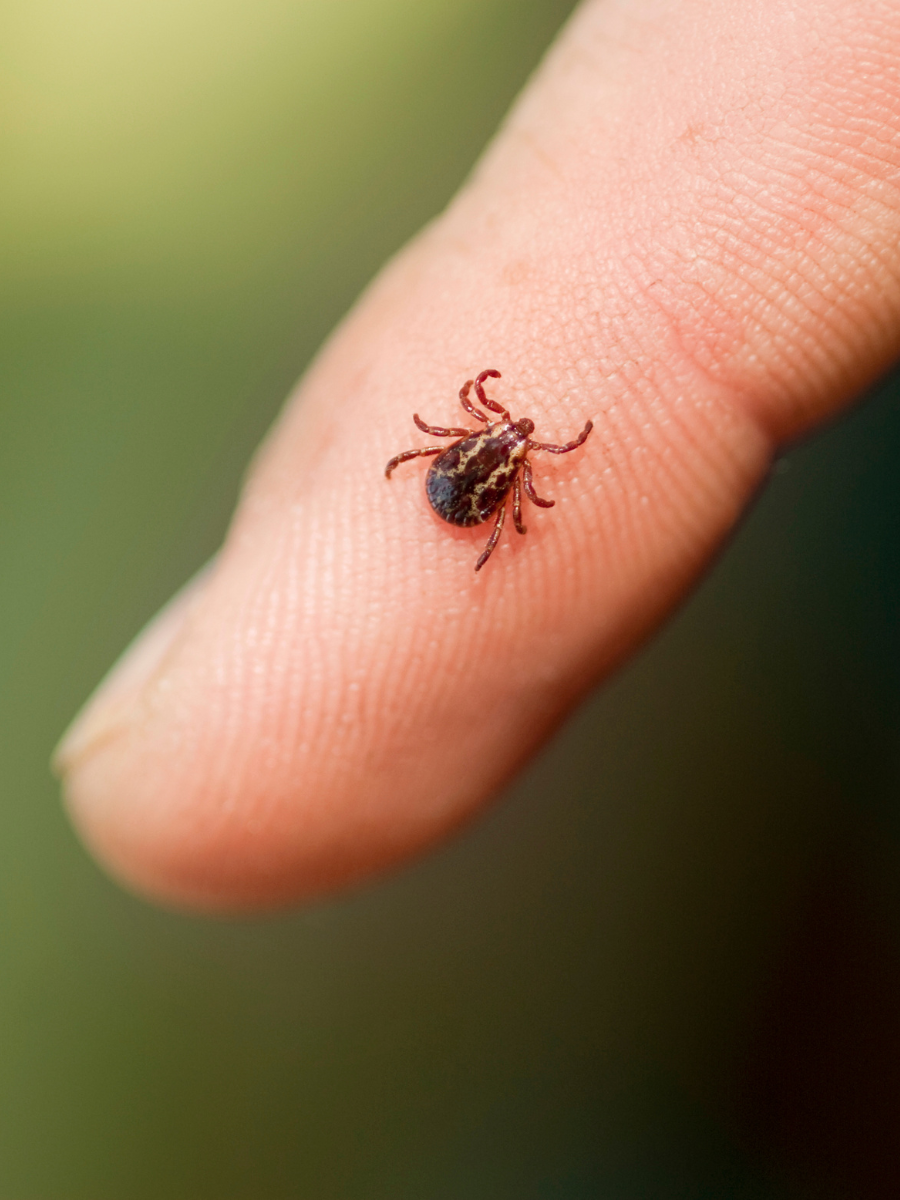
Where Are Ticks Commonly Found?
Ticks usually live in grassy, brushy or wooded areas. You may encounter them while:
- Hiking or walking on wooded trails
- Gardening or performing yardwork
- Camping
- Playing in tall grass
- Spending time in parks
- Walking a dog near brush or wooded areas
Ticks do not jump or fly. They typically wait on grass, shrubs or other vegetation and attach when a person or animal brushes against them.
After spending time outdoors, check yourself, your children and your pets carefully. Ticks can be extremely small and may attach in areas that are difficult to see.
Common places to check include:
- Along the hairline and scalp
- Behind the ears
- Under the arms
- Around the waist
- Behind the knees
- Between the legs
- Around the ankles
- Inside the belly button
Taking a shower soon after returning indoors can also help remove ticks that have not yet attached.
What Should You Do If You Find a Tick?
An attached tick should be removed as soon as possible. Prompt removal can help reduce the opportunity for a tick to transmit disease.
To remove a tick:
- Use clean, fine-tipped tweezers.
- Grasp the tick as close to the skin’s surface as possible.
- Pull upward using steady, even pressure.
- Do not twist or jerk the tick.
- Clean the bite area and your hands with soap and water or rubbing alcohol.
Avoid attempting to remove a tick with petroleum jelly, nail polish, heat or other home remedies. These techniques may delay proper removal.
If part of the tick remains embedded, the tick is in a difficult-to-reach location, or you are uncomfortable removing it yourself, visit a medical provider for assistance.
Should You Save the Tick?
After removing the tick, consider placing it in a sealed bag or container. You can also take a clear photograph of it next to a coin or ruler to document its approximate size.
Write down:
- The date you found the tick
- Where on the body it was attached
- Where you may have encountered it
- How long you believe it may have been attached
This information may help a provider assess your risk and determine whether additional care is appropriate.
Does Every Tick Bite Cause Lyme Disease?
No. Not every tick carries Lyme disease, and not every person bitten by an infected tick develops an infection.
The risk can depend on several factors, including the type of tick, where the exposure occurred, how long the tick was attached and whether it appeared engorged.
A medical provider can evaluate the bite and discuss the appropriate next steps. In certain circumstances, preventive medication may be considered following a higher-risk tick bite. This decision must be made based on an individual medical evaluation.
What Are the Symptoms of Lyme Disease?
Symptoms of Lyme disease can vary and may appear days or weeks after a bite. Some people may not remember being bitten because ticks can be extremely small.
Possible early symptoms include:
- An expanding red rash
- Fever or chills
- Headache
- Fatigue
- Muscle aches
- Joint pain
- Swollen lymph nodes
The rash associated with Lyme disease is sometimes described as looking like a bull’s-eye. However, not every Lyme disease rash has this appearance, and not everyone develops a noticeable rash.
Without proper treatment, Lyme disease may lead to more serious problems involving the joints, nervous system or heart. Seek medical attention if you develop concerning symptoms after a known or possible tick exposure.
When Should You Visit Urgent Care After a Tick Bite?
Consider visiting AFC Urgent Care Somerset when:
- You cannot remove the entire tick
- The tick appears engorged
- You do not know how long it was attached
- You develop a rash near the bite
- You experience fever, fatigue, headache or body aches
- The bite area becomes increasingly red, swollen, painful or warm
- You believe you were exposed in an area where Lyme disease is common
- You are concerned about possible Lyme disease
Do not wait for a classic bull’s-eye rash before seeking care. Lyme disease symptoms do not look exactly the same in every patient.
Call 911 or visit the nearest emergency room for severe symptoms such as difficulty breathing, fainting, severe weakness, confusion, chest pain or signs of a serious allergic reaction.
Can Lyme Disease Be Tested Immediately After a Bite?
Lyme disease testing may not always detect an infection immediately after a tick bite. The body can take time to develop the antibodies measured by commonly used blood tests.
That means the timing of testing matters. A provider will consider your symptoms, exposure history, the appearance of the tick and when the bite occurred before recommending testing or treatment.
A negative test performed very early does not necessarily rule out a developing infection. Follow the provider’s instructions and return for additional evaluation if symptoms appear or worsen.
How Can You Prevent Tick Bites?
You do not have to avoid the outdoors, but you should take sensible precautions.
Before going outside:
- Use an EPA-registered insect repellent as directed
- Wear long pants and long sleeves in wooded or grassy areas
- Tuck pant legs into socks when walking through heavy brush
- Choose light-colored clothing so ticks are easier to spot
- Walk near the center of maintained trails
- Treat clothing and outdoor gear with an appropriate tick repellent when recommended
After returning indoors:
- Check your entire body for ticks
- Check children carefully
- Inspect pets and outdoor equipment
- Shower soon after coming inside
- Wash and dry outdoor clothing according to recommended instructions
Continue checking for symptoms after a known tick bite, even if the tick was removed successfully.
Tick Removal and Lyme Disease Evaluation in Somerset, NJ
If you find an attached tick or develop symptoms after a possible tick exposure, AFC Urgent Care Somerset is here to help.
Our medical team can evaluate the bite, assist with safe tick removal and determine whether Lyme disease testing or additional treatment may be appropriate.
AFC Urgent Care Somerset is located at:
120 Cedar Grove Lane
Somerset, NJ 08873
Walk-ins are welcome, and no appointment is required. You may also save your spot online before visiting.
Do not ignore a questionable tick bite or unexplained symptoms. Visit AFC Urgent Care Somerset for convenient evaluation and timely medical guidance.