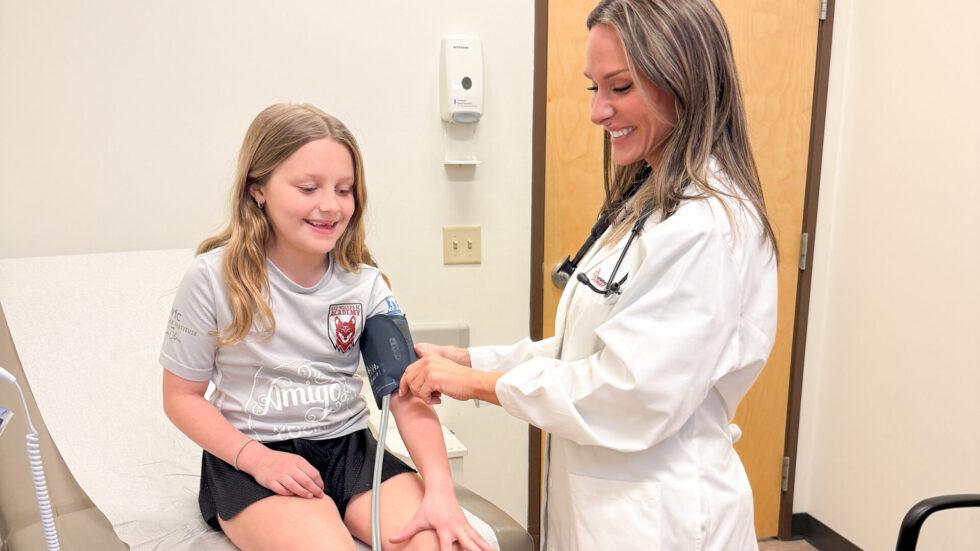
A new sports season brings excitement, new goals, and plenty of preparation. Whether your child is joining a school team, preparing for youth sports, or returning to a favorite activity, one important step should happen before they take the field: a sports physical.
Sports physicals, also called pre-participation physical examinations (PPEs), are designed to help make sure athletes are healthy and ready to safely participate in their chosen sport. These exams allow healthcare providers to identify potential health concerns, discuss injury prevention, and provide guidance to help athletes perform their best throughout the season.
For families in the Cedar Hills area, scheduling a sports physical at the right time can help avoid last-minute stress before practices and games begin. At AFC Urgent Care Cedar Hills, our team provides convenient sports physicals to help students and athletes get cleared and back to the activities they love.
Whether your child plays football, soccer, basketball, volleyball, baseball, track, or another sport, a quick visit can provide valuable peace of mind for athletes and parents alike.
Why Are Sports Physicals Important?
Sports physicals are about more than just receiving a signature on a clearance form. They provide an opportunity to evaluate an athlete’s overall health and identify anything that may affect their ability to safely participate.
During a sports physical, a healthcare provider reviews important health information, including:
- Previous injuries
- Current medications
- Existing medical conditions
- Heart health history
- Breathing concerns, including asthma
- Muscle, bone, and joint health
- Family medical history
Many sports-related health concerns can be better managed when they are identified early. A physical exam gives athletes and families the chance to ask questions and address concerns before the season begins.
According to the American Academy of Family Physicians, pre-participation sports evaluations can help identify health conditions that may require additional attention before an athlete participates in competitive activities.
A sports physical does not guarantee an athlete will avoid injuries, but it is an important tool for helping them participate safely and confidently.
What Happens During a Sports Physical?
Many parents and athletes wonder what to expect during a sports physical appointment. The process is typically simple and straightforward.
A healthcare provider will begin by reviewing the athlete’s medical history and asking questions about their health, activity level, and any symptoms they may have experienced.
The exam may include:
Reviewing Medical History
Before the physical exam begins, the provider may ask about:
- Previous sports injuries
- Surgeries or hospital visits
- Allergies
- Medications
- Family history of heart conditions
- History of dizziness, fainting, chest pain, or shortness of breath during exercise
This information helps the provider better understand the athlete’s health and whether additional evaluation may be needed.
Checking Vital Signs and Overall Health
The provider may check:
- Height and weight
- Blood pressure
- Pulse
- Vision
- Heart and lung function
- Overall physical development
These measurements help establish a baseline and identify potential concerns.
Evaluating Strength, Flexibility, and Movement
Depending on the athlete’s age and sport, the provider may assess movement, strength, and flexibility. This can help identify areas where an athlete may benefit from additional conditioning, stretching, or injury prevention strategies.
A sports physical is a great time for athletes to discuss concerns such as recurring pain, previous injuries, or difficulty keeping up during activity.
When Should My Child Get a Sports Physical?
It is a good idea to schedule a sports physical several weeks before the season begins. Waiting until the last minute can create unnecessary stress if additional paperwork, follow-up visits, or testing are needed.
Common times to schedule a sports physical include:
- Before fall sports begin
- Before winter sports registration
- Before spring athletic seasons
- Before joining a new team or activity
Planning ahead helps ensure your athlete is ready when practices start.
What Should I Bring to a Sports Physical Appointment?
Being prepared can help your visit go smoothly. Before arriving, athletes and parents should bring any required paperwork from their school, league, or organization.
Helpful items may include:
- Sports physical forms
- Insurance information, if applicable
- List of medications
- Information about past injuries or medical conditions
- Contact information for parents or guardians
Parents should also take time to talk with their child beforehand about any health concerns they may have. Athletes may not always mention symptoms like pain, fatigue, dizziness, or breathing issues unless they are asked.
Open communication helps healthcare providers get a complete picture of an athlete’s health.
Common Health Concerns Discussed During Sports Physicals
Every athlete is different, and sports physicals provide an opportunity to address individual health needs.
Some common concerns discussed during sports physicals include:
Previous Sports Injuries
A past injury does not always prevent an athlete from participating, but it is important that it has healed properly. Returning to sports too quickly after an injury can increase the risk of reinjury.
Healthcare providers can discuss recovery, rehabilitation, and ways to reduce future injury risks.
Asthma and Breathing Issues
Exercise-related breathing problems can affect athletic performance. Athletes with asthma or other respiratory concerns should discuss symptoms and treatment plans with a healthcare provider.
Proper management can help many athletes continue participating in the sports they enjoy.
Nutrition and Hydration
Young athletes need proper fuel and hydration to support performance, energy levels, and recovery.
Sports physical visits are a great time to discuss:
- Drinking enough fluids
- Eating balanced meals
- Getting enough rest
- Maintaining healthy training habits
Small adjustments can make a big difference throughout a busy sports season.
Where Can I Get a Sports Physical in Cedar Hills?
Finding time for a sports physical can be challenging for busy families balancing school, practices, work, and other responsibilities.
AFC Urgent Care Cedar Hills provides convenient sports physicals to help athletes complete their required exams and get ready for the season. Our team offers accessible care when you need it, helping families avoid unnecessary delays before important deadlines.
Whether your child needs a physical for a school team, recreational league, or competitive sport, AFC Cedar Hills is here to help.