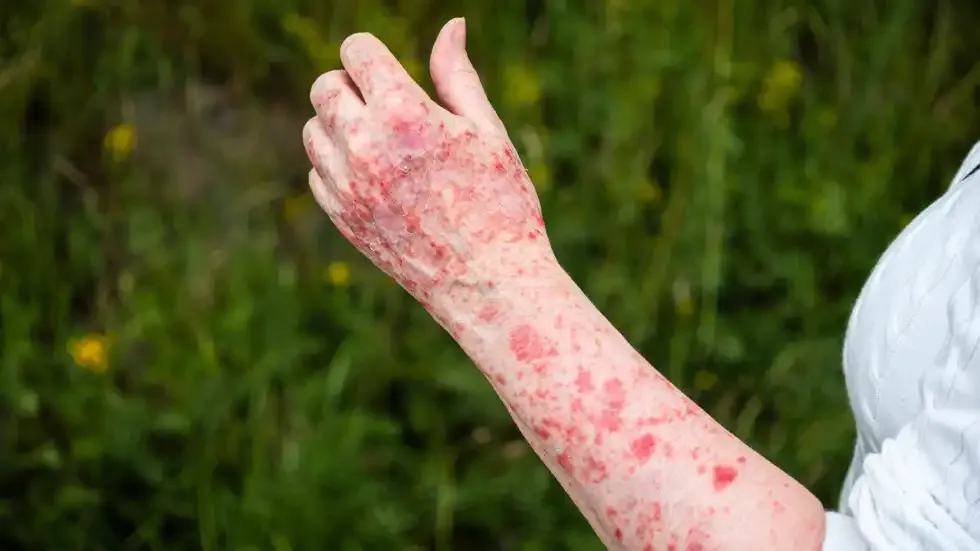
Sunny days are perfect for enjoying parks, patios, and outdoor activities around Ballantyne. But spending too much time in the sun without enough protection can do more than leave you with a painful sunburn. In some cases, excessive sun exposure can lead to sun poisoning, a more severe reaction that may require medical attention.
Knowing the difference between a typical sunburn and sun poisoning can help you get the right care from AFC Ballantyne before symptoms become more serious.
What Is Sun Poisoning?
Despite its name, sun poisoning isn’t actually a poisoning. It’s a term used to describe a severe reaction to ultraviolet (UV) rays that goes beyond an ordinary sunburn. It often develops after prolonged or intense sun exposure and can affect both your skin and your overall health.
While anyone can develop sun poisoning, your risk may be higher if you have fair skin, spend extended time outdoors, or forget to reapply sunscreen.
Signs It May Be More Than a Sunburn
A mild sunburn usually causes redness, tenderness, and peeling that improves over several days. If you’re experiencing symptoms beyond skin irritation, your body may be reacting to more than just a simple sunburn.
Sun poisoning, however, often includes more severe symptoms such as:
- Intense redness or swelling
- Large, painful blisters
- Severe skin pain or burning
- Headache
- Fever or chills
- Nausea or vomiting
- Dizziness or lightheadedness
- Dehydration
What Should You Do?
If you think you have sun poisoning:
- Move indoors or into the shade immediately.
- Drink plenty of water to stay hydrated.
- Apply cool compresses to the affected skin.
- Avoid additional sun exposure until your skin has healed.
- Resist the urge to pop blisters, as this can increase the risk of infection.
For mild symptoms, rest and hydration may be enough. However, worsening symptoms should not be ignored.
When Is It Time to Visit Urgent Care?
Seek medical care if you experience:
- Extensive blistering
- Fever or chills
- Severe swelling or pain
- Signs of dehydration, such as dizziness or dark urine
- Vomiting that prevents you from staying hydrated
- Confusion or feeling faint
These symptoms may require additional treatment to help prevent complications and support recovery.At AFC Ballantyne, our AFC providers can evaluate the severity of your sun-related illness and recommend the appropriate treatment. Whether you need help managing severe sunburn, dehydration, or symptoms of sun poisoning, we’re here to help you feel better quickly and safely.
The best way to avoid sun poisoning is to practice sun safety every time you’re outdoors:
- Apply a broad-spectrum sunscreen with SPF 30 or higher.
- Reapply sunscreen every two hours, or more often after swimming or sweating.
- Wear a wide-brimmed hat, sunglasses, and lightweight protective clothing.
- Take breaks in the shade, especially during the hottest part of the day.
- Drink plenty of water to stay hydrated.
A little sunshine is great, but too much can quickly turn into a painful and sometimes serious health concern. If your sunburn is accompanied by severe pain, blistering, fever, or dehydration, don’t wait to get evaluated. Our expert team at AFC Ballantyne is here to provide prompt care and help you recover safely, so you can get back to enjoying everything summer has to offer.