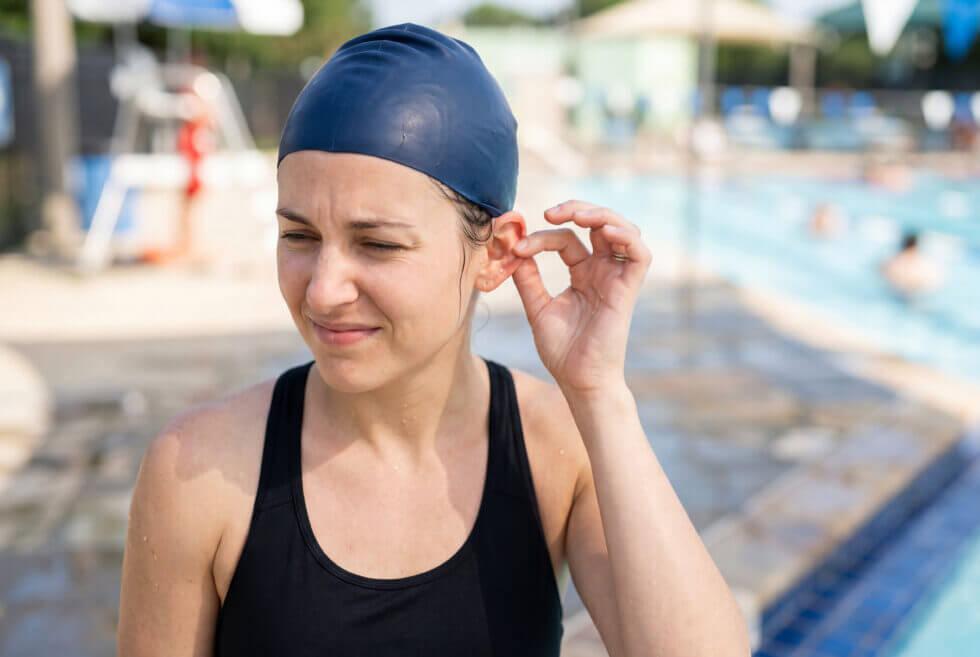
Summer in Ballantyne means more time spent by the pool, at the lake, or splashing around with family and friends. While swimming is a great way to beat the heat, it can sometimes leave you with an unwelcome souvenir: swimmer’s ear.
If your ear starts hurting after a day in the water, it may be more than trapped water. Swimmer’s ear is a common infection that can become increasingly painful if it’s left untreated. Come by AFC Ballantyne to be treated for swimmer’s ear.
What Is Swimmer’s Ear?
Swimmer’s ear, also known as otitis externa, is an infection of the outer ear canal. It develops when moisture becomes trapped inside the ear, creating the perfect environment for bacteria to grow. Although swimming is the most common cause, swimmer’s ear can also occur after frequent showering or from cleaning your ears with cotton swabs, which can irritate the skin inside the ear canal.
Common Signs of Swimmer’s Ear
Symptoms often begin mildly but can worsen over a few days. Watch for:
- Ear pain that gets worse when you touch or pull on the ear
- Itching inside the ear canal
- Redness or swelling around the outer ear
- Drainage that may be clear, yellow, or cloudy
- A feeling of fullness or pressure in the ear
- Muffled hearing
Without treatment, the infection can become more painful and make everyday activities uncomfortable.
Tips to Help Prevent Swimmer’s Ear
You can lower your risk of swimmer’s ear by:
- Drying your ears thoroughly after swimming or showering
- Tilting your head to help water drain from the ear canal
- Avoiding cotton swabs or other objects inside your ears
- Wearing properly fitted earplugs if you’re a frequent swimmer
- Taking breaks from swimming if your ears become irritated
Can I Treat It at Home?
If symptoms are very mild, keeping the ear clean and dry may help prevent the irritation from getting worse. Avoid swimming until symptoms improve, and don’t insert cotton swabs or other objects into the ear. However, once pain, swelling, or drainage develops, home remedies alone are often not enough to clear the infection.
When Should I Visit Urgent Care?
It’s time to seek medical care if you notice:
- Moderate to severe ear pain
- Drainage from the ear
- Swelling that makes it difficult to hear
- Symptoms lasting more than a day or two
- Fever or redness spreading beyond the ear
- Pain that continues to worsen despite home care
- Early treatment can help relieve discomfort quickly and prevent the infection from becoming more severe.
How AFC Ballantyne Can Help
At AFC Ballantyne, our AFC providers can evaluate your symptoms and determine whether swimmer’s ear is causing your discomfort. If an infection is present, treatment may include prescription ear drops, recommendations to reduce inflammation, and guidance on how to protect your ears while they heal. Our goal is to help relieve your pain quickly so you can get back to enjoying the rest of your summer.