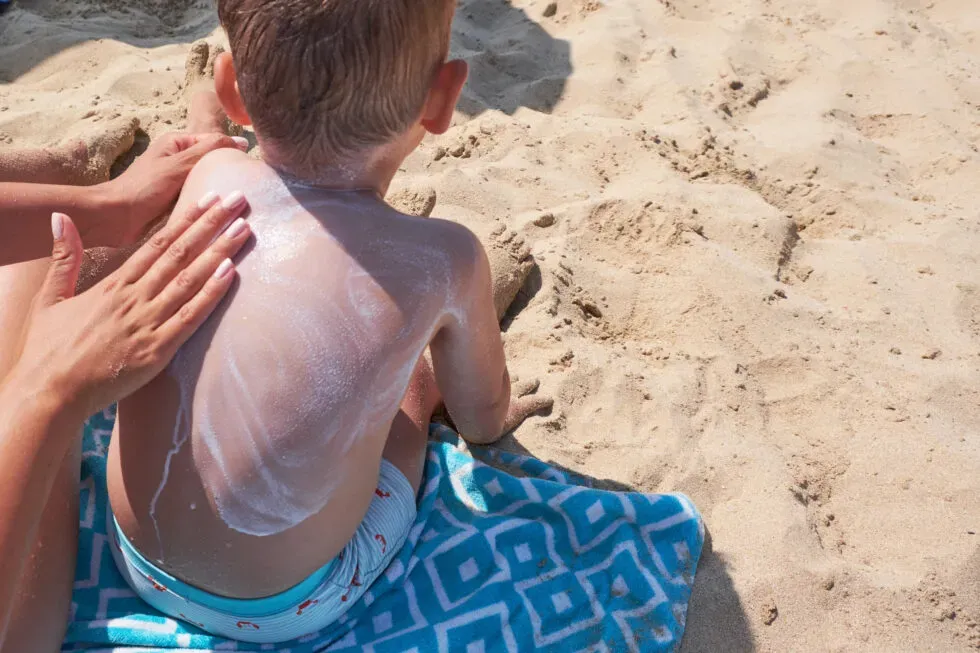
As North Carolina begins its transition from hot, muggy summer days to cooler mornings, crisp evenings, and more frequent overcast skies, it’s easy to assume the risk of sunburn has passed. After all, when the weather feels more comfortable, many people naturally leave the sunscreen at home.
Unfortunately, your skin doesn’t judge sun exposure by the temperature outside.
Ultraviolet (UV) rays remain strong well into the early fall months, and they can penetrate cloud cover even on gray days. That means an afternoon with family at Zootastic Park or several hours outdoors can still leave you with a painful sunburn or, in more severe cases, symptoms commonly known as sun poisoning.
Knowing why this happens and recognizing the warning signs can help you enjoy North Carolina’s beautiful fall weather while protecting your skin.
Visit AFC Urgent Care Statesville, NC today.
Why Cooler Weather Can Be Misleading
One of the biggest myths about sunburn is that it’s only a concern on the hottest days of the year.
In reality, UV radiation and air temperature are two different things. Even when a cool breeze makes the weather feel pleasant, ultraviolet rays continue reaching your skin. Without the intense summer heat reminding you to seek shade, it’s surprisingly easy to spend hours outdoors before realizing you’ve had too much sun.
Whether you’re spending the afternoon at Trackhouse Motorplex or simply enjoying time outside, sunscreen and hydration are just as important during the transition into fall as they are in midsummer.
When Is It More Than Just a Sunburn?
A mild sunburn usually causes redness, tenderness, and peeling as your skin heals. Sun poisoning, however, is a much more severe reaction to prolonged UV exposure and often affects your entire body not just your skin.
In addition to painful or blistering skin, symptoms may include:
- Fever or chills
- Headache
- Nausea or vomiting
- Dizziness
- Fatigue or unusual weakness
- Severe swelling or widespread blisters
- Excessive thirst or other signs of dehydration
If these symptoms continue to worsen after you’ve gotten out of the sun and started rehydrating, it’s important not to ignore them. They may indicate a more serious reaction that deserves medical evaluation. Walk in or book online with AFC Statesville for any concerns you have after a day in the sun.
Today’s Sunburn Can Affect Tomorrow’s Skin
The good news is that most sunburns heal within a few days. What many people don’t realize, however, is that every sunburn leaves behind more than a temporary memory.
Repeated exposure to ultraviolet rays gradually breaks down collagen and elastin, the proteins responsible for keeping your skin smooth, firm, and healthy. Over time, that damage can contribute to premature wrinkles, uneven skin tone, dark spots, and a leathery texture that often makes skin appear older than it really is.
More importantly, repeated sunburns increase your lifetime risk of developing skin cancer, including melanoma, the deadliest form of skin cancer. While no one can eliminate that risk completely, making sun protection part of your routine is one of the simplest ways to protect your long-term health.
Simple Habits Can Make a Big Difference
Fortunately, protecting your skin doesn’t mean avoiding the outdoors. It simply means planning ahead.
If you’re planning to spend time exploring the Historic Sharpe House or attending another outdoor community event, apply a broad-spectrum sunscreen with SPF 30 or higher about 15 minutes before heading outside. Reapply it every two hours, especially if you’re sweating or spending extended time in direct sunlight.
Other simple ways to reduce your risk include:
- Wearing sunglasses that block UVA and UVB rays.
- Choosing lightweight clothing that covers your shoulders and arms when practical.
- Drinking water consistently throughout the day.
- Taking breaks in the shade whenever possible.
- Remembering that UV rays can still reach your skin, even when clouds cover the sun.
These small habits don’t just help prevent an uncomfortable sunburn; they also help protect your skin from years of cumulative UV damage.
Know When It’s Time to Seek Medical Care
Most mild sunburns can be treated at home with cool compresses, moisturizers, hydration, and time. But if you develop widespread blistering, severe pain, persistent vomiting, fever, dizziness that doesn’t improve, or signs of dehydration after spending time outdoors, it’s important to seek medical evaluation. These symptoms may indicate sun poisoning or another heat-related illness that requires additional care.
At AFC Urgent Care Statesville, we’re here to help when a day outdoors doesn’t end the way you expected. Our experienced medical providers can evaluate your symptoms, recommend appropriate treatment, and help you recover comfortably. Whether you’ve spent the day exploring local attractions, attending a community event, or simply enjoying North Carolina’s beautiful transition into fall, we’re here with convenient walk-in care when you need it most.