Fall is a great time to get outside and enjoy cooler temperatures and changing leaves. Unfortunately, for people with seasonal allergies, fall means sneezing, congestion, itchy eyes, and other uncomfortable symptoms.
An allergic reaction occurs when your immune system mistakes a normally harmless substance for something harmful and responds to it, trying to remove it from your system. These allergens can be inhaled, eaten, or encountered through contact.
Seasonal allergies are triggered by different types of pollen circulating in the air. In North Carolina, spring allergies are caused by tree pollen; summer allergies are caused grass pollen; and ragweed is the cause of fall allergies.
When fall allergies force your immune system into battle, there are steps you can take to reduce your exposure and manage your symptoms. And when your allergies become difficult to handle, your local AFC Urgent Care in Mooresville can help you find relief and get back to the things you care about most: family, friends, work, and fall festivities.
Why Is Ragweed Such a Problem in the Fall?
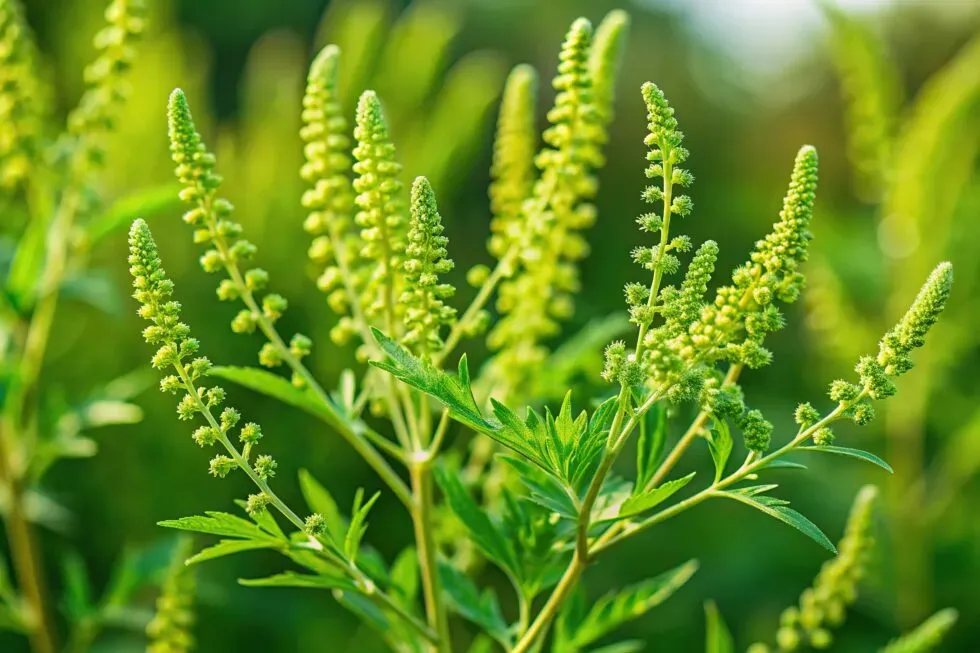
Ragweed is a wild weed that can be recognized by its hairy stems, fern-like leaves, and small greenish-yellow flowers. Although the plant only survives one growing season, it can produce an incredible amount of pollen. According to the Asthma and Allergy Foundation of America, one ragweed plant can release up to 1 billion pollen grains into the air, which quickly spread throughout the air and coming into contact with you.
When Is Ragweed Season in North Carolina?
Ragweed pollen begins spreading in North Carolina around early August. Levels often reach their peak in September and can remain elevated throughout October and into November. The first frost of the season typically brings an end to ragweed season.
Keeping track of pollen levels can help you decide when to spend time outdoors and when it may be better to stay inside. You can monitor pollen counts in Mooresville through resources such as:
Ragweed Allergy Symptoms
Ragweed allergies can look a lot like other seasonal allergies and may even resemble the common cold. Symptoms can range from mild irritation to more noticeable discomfort. Common ragweed allergy symptoms include:
- Sneezing
- Runny or stuffy nose
- Itchy or watery eyes
- Skin rashes
- Coughing or wheezing
- Nausea or vomiting
Ragweed can also be associated with pollen food allergy syndrome (PFAS). This reaction can cause itching or swelling in or around the mouth after eating certain foods. It happens when the immune system mistakes certain foods for ragweed pollen. Foods that may trigger ragweed PFAS symptoms include bananas, cantaloupe, cucumber, honeydew, and watermelon.
Although AFC Urgent Care Mooresville does not offer allergy testing or allergy shots, our experienced medical providers can evaluate your symptoms and recommend appropriate treatment to help you feel better.
When Should You See Urgent Care for Allergy Symptoms?
Mild allergy symptoms may respond to over-the-counter medications and other at-home measures. However, you may want to visit urgent care when symptoms become more severe or begin interfering with your normal routine. Visit AFC Urgent Care Mooresville if your allergies are accompanied by:
- Wheezing or breathing problems: Shortness of breath, wheezing, or chest tightness should not be ignored.
- Sleep-disrupting symptoms: Severe congestion or other allergy symptoms that prevent you from getting enough sleep can affect how you feel throughout the day.
- Persistent eye irritation: Constantly rubbing itchy or irritated eyes can increase the risk of further irritation or infection.
- Severe skin reactions: Widespread hives, significant itching, facial swelling, or swelling that develops quickly may require prompt medical attention.
Simple Ways to Reduce Your Ragweed Exposure
Avoiding ragweed pollen completely during the fall is nearly impossible. However, there are a few simple changes and steps you can take to minimize your exposure and potentially reduce your symptoms. The Mayo Clinic recommends the following strategies for managing seasonal allergies:
- Be strategic about outdoor activities: Try to stay indoors on dry, windy days and during the morning, when pollen levels can be higher. After rainfall can be a better time to head outside because rain helps clear pollen from the air.
- Clean up after outdoor activities: Change your clothes after spending time outside and wash them before wearing them again. Showering can also remove pollen from your skin and hair.
- Improve your indoor air: Use air conditioning, maintain comfortable humidity levels with a dehumidifier, and consider using a portable HEPA filter.
- Clear your nasal passages: A saline nasal rinse can help remove allergens and relieve nasal congestion.
- Plan ahead: When high pollen counts are expected, taking allergy medication before symptoms begin may help you better manage your allergies.
Walk-in Allergy Relief at AFC Urgent Care
You have plenty of opportunities to enjoy a beautiful fall Saturday in Mooresville. Instead of staying home because of sneezing and itchy eyes, spend the afternoon walking lakeside under the fall foliage at Lake Norman State Park.
If ragweed allergies start getting in the way of your plans, don’t simply deal with your ongoing symptoms. AFC Urgent Care Mooresville is open 7 days a week to evaluate your symptoms and recommend appropriate treatment to get you feeling better faster.
Walk-in or pre-register online to your local AFC Urgent Care in Mooresville!