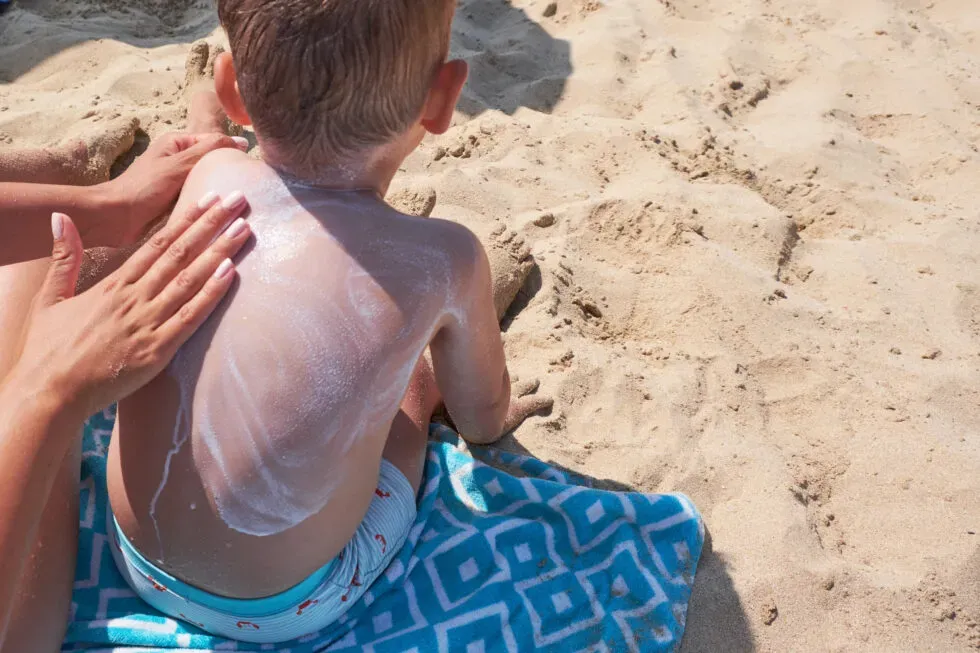
A little pink skin after a day outside isn't unusual during the summer. Most parents have dealt with a child who forgot to reapply sunscreen or spent a little too long playing in the sun. Usually, it's uncomfortable for a few days and then starts to heal.
But what if your child develops a fever later that night? What if they're complaining of dizziness, nausea, or painful blisters that seem to get worse instead of better?
Those symptoms could point to sun poisoning, a condition that's more serious than a typical sunburn and may require medical attention.
Families around Dalton spend plenty of time outdoors this time of year. Whether you're exploring Brookwood Park, catching a community event in Downtown Dalton, or enjoying an afternoon near Dalton State College, it's important to know when a sunburn has crossed the line into something more concerning.
What Is Sun Poisoning?
Despite the name, sun poisoning isn't actually poisoning. It's a term used to describe a severe reaction to prolonged exposure to the sun's ultraviolet (UV) rays.
In addition to damaging the skin, excessive sun exposure can affect the rest of the body. Children are especially vulnerable because their skin is more sensitive, and they're often too busy playing to notice they're getting burned.
A mild sunburn typically causes redness, warmth, and tenderness that improve over a few days. Sun poisoning often brings more intense symptoms that continue to worsen after you've already gone inside.
The sooner you recognize those warning signs, the sooner you can get your child the care they need.
What Symptoms Should Parents Watch For?
One of the biggest differences between a regular sunburn and sun poisoning is how your child feels overall.
Instead of only complaining about sore skin, they may seem tired, irritable, or generally unwell. Some children lose their appetite, while others simply want to lie down and sleep.
Watch for symptoms such as:
- Large or painful blisters
- Fever or chills
- Headache
- Nausea or vomiting
- Dizziness or feeling faint
- Swelling of the affected skin
- Signs of dehydration, including dry mouth or dark urine
If your child seems unusually sleepy, has trouble drinking fluids, or continues vomiting, don't wait to see if things improve on their own.
Visit AFC Urgent Care Dalton if your child's sunburn is accompanied by fever, dehydration, or symptoms that seem to be getting worse. Prompt treatment can help prevent further complications.
What Can You Do at Home?
For mild sunburns, home care is often enough to help your child feel more comfortable.
Move them out of direct sunlight as soon as possible and encourage them to drink plenty of water throughout the day. A cool bath or cool compress can help soothe irritated skin, while loose-fitting clothing may reduce additional discomfort.
It's also important to leave blisters alone. Although they may look tempting to pop, blisters protect the skin as it heals and lower the risk of infection.
Keep checking on your child over the next 24 hours. If they begin acting differently or develop new symptoms, it may be time for a medical evaluation.
When Should You See a Provider?
Parents don't need to wait until a child is severely ill before seeking care.
If your child has widespread blistering, severe pain, persistent vomiting, dizziness, or signs of dehydration, it's a good idea to have them evaluated. Younger children, in particular, can become dehydrated more quickly than adults after prolonged heat and sun exposure.
A provider can also help determine whether your child is experiencing sun poisoning, heat exhaustion, or another heat-related illness that may require treatment.
If you're questioning whether your child's symptoms are normal, walk into AFC Urgent Care Dalton. Our experienced providers can evaluate severe sunburns and recommend the right treatment so your child can recover safely.
How Can You Prevent Sun Poisoning?
No sunscreen can block 100% of UV rays, but using it correctly can dramatically reduce your child's risk of severe sunburn.
Apply a broad-spectrum sunscreen with an SPF of at least 30 about 15 minutes before going outside. Reapply every two hours and after swimming or heavy sweating, even if the product is labeled as water resistant.
You can also help protect your child by encouraging them to wear lightweight clothing, a wide-brimmed hat, and sunglasses when they're outside for extended periods. Taking breaks in the shade during the hottest part of the afternoon can also make a big difference.
Sunburns can happen even on cloudy days, so don't skip sunscreen just because the weather doesn't feel especially hot.
Walk-In Care for Sun Poisoning in Dalton, GA
A fun summer day shouldn't end with a trip to the emergency room because of a preventable sun injury. Knowing the warning signs of sun poisoning can help you act quickly if your child's symptoms become more serious than expected.
At AFC Urgent Care Dalton, we provide walk-in treatment for severe sunburns, sun poisoning, dehydration, heat exhaustion, and other seasonal illnesses. Our experienced providers can evaluate your child's condition, recommend the appropriate treatment, and help them start feeling better as quickly as possible.
Whether your family spent the afternoon at Brookwood Park, attended an event in Downtown Dalton, or enjoyed time near Dalton State College, we're here when unexpected health concerns interrupt your plans.
Walk into AFC Urgent Care Dalton today for fast, convenient care for sun poisoning and other summer illnesses. No appointment is needed.