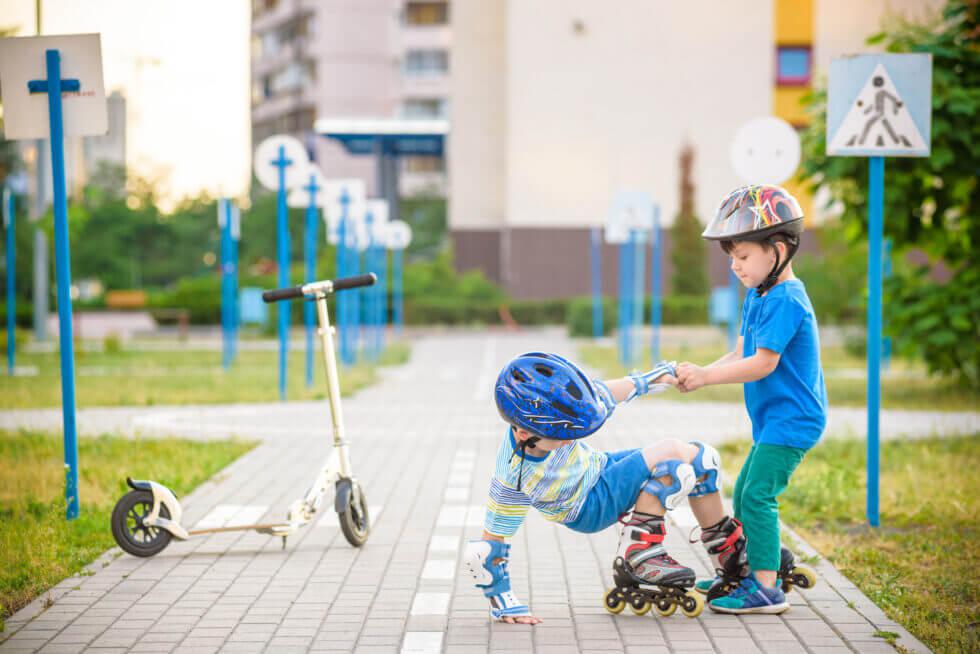
Not sure if your child's playground injury is a bruise, sprain, or broken bone? AFC Urgent Care Dalton offers walk-in pediatric injury care and on-site X-rays.
One minute your child is racing to the top of the jungle gym. The next, they're sitting on the ground with tears in their eyes, holding a wrist or refusing to stand up. As a parent, it's hard to know whether they're simply shaken up or if the fall caused a more serious injury.
Playground accidents happen every day, especially during summer break when children spend more time outside. Families in Dalton often find themselves enjoying the afternoon at Brookwood Park, attending a community event in Downtown Dalton, or spending time near Dalton State College when an unexpected fall changes the day's plans.
The good news is that many playground injuries are minor. The challenge is knowing when your child needs more than an ice pack and a hug.
Is It a Bruise or Something More?
Bruises are one of the most common injuries children experience after a fall. They occur when small blood vessels beneath the skin break, causing tenderness, swelling, and the familiar blue or purple discoloration.
A bruise will often improve over the next several days with rest and basic at-home care.
Your child is more likely dealing with a bruise if they:
- Continue using the injured arm or leg
- Have only mild swelling
- Can walk without significant pain
- Gradually become more comfortable after resting
That said, children don't always realize they're seriously hurt right away. Excitement and adrenaline can temporarily cover up pain, making an injury seem less severe than it actually is.
If your child is still complaining of pain later that day or you notice swelling getting worse, visit AFC Urgent Care Dalton for a walk-in evaluation.
What Does a Sprain Look Like in a Child?
Sprains happen when a ligament stretches beyond its normal range or tears. They're especially common after awkward landings, twisted ankles, or falls onto an outstretched hand.
Some signs of a sprain include:
- Swelling around a joint
- Pain with movement
- Difficulty putting weight on one foot
- Tenderness when the area is touched
Children sometimes try to keep playing because they don't want to miss out on the fun. Others become unusually quiet and avoid using the injured arm or leg altogether.
Pay attention to how your child moves over the next few hours. If they continue limping, avoid using the injured joint, or seem uncomfortable even after resting, it's time to have the injury checked by a medical provider.
When Should You Suspect a Broken Bone?
Not every fracture causes an obvious deformity. In children, some breaks are small enough that the only noticeable symptoms are pain and swelling.
A broken bone may be more likely if your child:
- Cannot bear weight on the injured leg
- Refuses to move an arm or wrist
- Has severe or increasing pain
- Develops swelling that appears quickly
- Continues hurting long after the fall
Because children's bones are still growing, some fractures require prompt evaluation to help ensure proper healing.
On-site digital X-rays can help determine whether a bone has been broken and guide the next steps in treatment.
At AFC Urgent Care Dalton, our providers can evaluate your child's injury and perform digital X-rays when medically appropriate, helping your family get answers without a lengthy wait.
When Is Urgent Care the Right Choice?
Many playground injuries can be treated at an urgent care center, including:
- Suspected sprains
- Minor fractures
- Bruises
- Strains
- Minor cuts and scrapes
However, some injuries require immediate emergency care.
Go to the nearest emergency room if your child has:
- A bone protruding through the skin
- Heavy bleeding that won't stop
- Loss of consciousness
- Difficulty breathing
- A serious head injury followed by repeated vomiting, confusion, or trouble staying awake
When the injury isn't life-threatening but clearly needs medical attention, urgent care is often the quickest way to receive an evaluation.
What Should You Do While You're Deciding?
The first hour after a playground injury is often when swelling begins to develop. Until your child can be evaluated, try to keep the injured area as still as possible.
Applying a wrapped ice pack for 15 to 20 minutes can help reduce swelling and make your child more comfortable. If the injury involves a leg or ankle, encourage them to stay off of it until you know what's causing the pain.
One thing parents shouldn't ignore is a child who wakes up the next morning feeling worse instead of better. It's common for soreness to increase overnight. If your child refuses to get out of bed because of pain or still can't use the injured arm or leg, it's time to have the injury examined.
Don't spend days wondering if it's “just a bruise.” A prompt evaluation can provide peace of mind and help your child begin recovering sooner.
Walk-In Pediatric Injury Care in Dalton, GA
Children are active, adventurous, and sometimes fearless. Falls are part of growing up, but that doesn't mean parents have to guess when an injury deserves medical attention.
At AFC Urgent Care Dalton, we provide walk-in care for playground injuries, sprains, suspected fractures, bruises, strains, and many other orthopedic concerns. Our experienced providers offer thorough evaluations, on-site digital X-rays when needed, and treatment plans designed to get your child back to doing what they love.
Whether the injury happened during an afternoon at Brookwood Park, after a family outing in Downtown Dalton, or while playing with friends near Dalton State College, we're here to help.
Walk into AFC Urgent Care Dalton today for convenient pediatric injury care with no appointment required. Our team is ready to help your child heal and get back to making the most of summer.