Learn when a mosquito bite may be infected, what symptoms to watch for, and when to seek urgent care treatment in Dalton, GA.
In Dalton, mosquito bites are practically part of spring and summer life. Whether you are walking around Haig Mill Lake Park, working in the yard after a rainy week, or sitting outside during a local baseball game, it usually does not take long to notice mosquitoes buzzing around. Most bites are just itchy and annoying, but sometimes one becomes unusually swollen or painful, which can quickly raise concerns about infection or an allergic reaction.
A bite that continues getting larger, warmer, or more irritated over time should not automatically be ignored. Understanding what symptoms are considered normal and what signs may point to infection can help you decide when it is time to seek care.
Why do mosquito bites sometimes become very swollen?
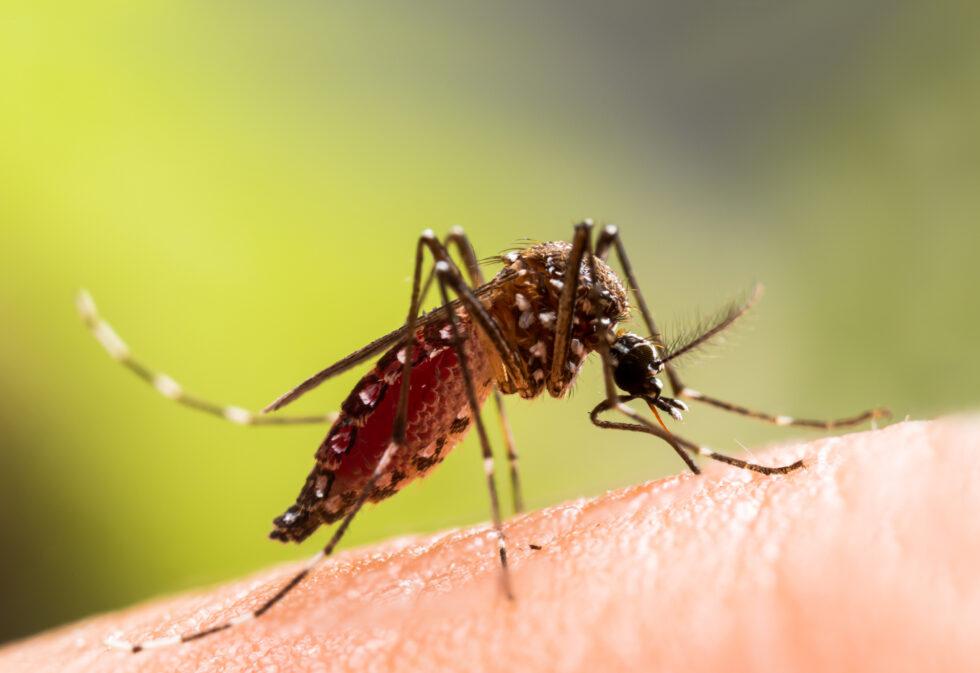
A mosquito bite causes a reaction because the body responds to proteins in the mosquito’s saliva. Some people barely notice bites, while others develop large, swollen areas that itch intensely.
The amount of swelling often depends on how sensitive your immune system is. Children and people who spend a lot of time outdoors around grassy or damp areas may notice stronger reactions.
A typical mosquito bite may:
- Look red or raised
- Feel itchy for several days
- Become mildly swollen
- Slowly improve with time
Large swelling alone does not always mean the bite is infected.
What are the signs of an infected mosquito bite?
The biggest difference between irritation and infection is whether the bite keeps getting worse instead of improving.
Scratching can damage the skin and allow bacteria to enter the area. Once infection develops, symptoms often become more painful and noticeable.
Possible signs of infection include:
- Spreading redness
- Increasing pain or tenderness
- Warmth around the bite
- Pus or drainage
- Fever or chills
- Swelling that worsens after several days
If symptoms continue progressing instead of calming down, it is important to have the bite evaluated.
When should you seek urgent care for a mosquito bite?
Many mosquito bites improve with simple home treatment, but certain symptoms should not be ignored.
You should visit urgent care if:
- Swelling becomes severe
- Redness continues spreading
- You develop fever or body aches
- The bite becomes painful
- Symptoms interfere with sleep or daily activities
- You suspect infection
At AFC Urgent Care Dalton, providers can examine the bite and determine whether treatment may be needed for infection, inflammation, or an allergic reaction.
What can help reduce mosquito bite irritation at home?
For uncomplicated mosquito bites, a few basic steps can usually help control symptoms.
Helpful home care may include:
- Applying a cold compress
- Using anti-itch cream
- Taking antihistamines if appropriate
- Keeping the skin clean
- Avoiding scratching as much as possible
Repeated scratching is one of the most common reasons mosquito bites become infected.
How can you prevent mosquito bites around Dalton?
Mosquitoes are especially common in warm North Georgia weather, particularly near shaded areas and standing water.
A few prevention habits can help:
- Wear insect repellent outdoors
- Avoid standing water near your home
- Wear long sleeves during peak mosquito hours
- Limit outdoor exposure around dusk
Where can you get treatment for infected mosquito bites in Dalton, GA?
Mosquito bites may seem minor, but worsening redness, swelling, or pain can sometimes signal infection.
AFC Urgent Care Dalton offers walk-in care for insect bites, allergic reactions, skin irritation, and infections. If your mosquito bite is becoming more swollen or painful, visit us today for fast, convenient care.