It’s easy to lose track of time when you’re outside having fun. One minute your family is enjoying the playground, watching a baseball game, or walking a local trail, and before you know it, several hours have passed in the sun. Later that evening, your child starts complaining that their skin burns, they have a headache, and they don’t feel well. Suddenly, you’re wondering if it’s more than a typical sunburn.
Summer days around Indian Trail often mean trips to Crooked Creek Park, afternoons at Chestnut Square Park, or family outings through Downtown Indian Trail. While sunshine is one of the best parts of the season, too much exposure can lead to more than red skin.
Sun poisoning is a severe reaction to excessive ultraviolet (UV) exposure. Although the name sounds alarming, it isn’t actually poisoning. Instead, it’s a serious sunburn that may be accompanied by symptoms affecting the rest of the body. Knowing how to recognize the warning signs can help you decide when it’s time to seek medical care.
What Makes Sun Poisoning Different From a Regular Sunburn?
Most people have experienced a mild sunburn. The skin becomes pink or red, feels warm to the touch, and may be sore for a few days before peeling.
Sun poisoning is different because your child’s body may begin reacting to the sun exposure, not just their skin.
In many cases, symptoms continue getting worse over the first 24 hours rather than gradually improving. Your child may also seem unusually tired, become nauseated, or complain of dizziness.
It’s important to pay attention to how they’re acting, not just how their skin looks.
If your child’s sunburn is getting worse instead of better or they’re starting to feel sick, visit AFC Urgent Care Indian Trail for a walk-in evaluation.
What Warning Signs Should Parents Watch For?
One of the biggest misconceptions about sun poisoning is that it always involves severe blistering. While blisters can happen, they aren’t the only sign that something more serious is going on.
You should watch for symptoms such as:
- Large or painful blisters
- Fever or chills
- Headache
- Nausea or vomiting
- Dizziness or lightheadedness
- Swelling of the affected skin
- Signs of dehydration, including dry mouth or dark-colored urine
If your child becomes difficult to wake, seems confused, or cannot keep fluids down, don’t ignore those symptoms. They may be dealing with more than a severe sunburn.
Children can become dehydrated much faster than adults, especially after spending hours running, swimming, or playing outside.
How Can You Help Your Child Feel Better?
If your child’s symptoms are mild, there are several things you can do at home to help them recover.
The first priority is getting them out of the sun. Move indoors or into a shaded area and encourage them to drink water or an electrolyte replacement beverage if they’re old enough. A cool bath or cool compress may help relieve discomfort, while lightweight clothing can prevent additional irritation.
Resist the urge to pop any blisters that develop. Those blisters help protect healing skin and lower the risk of infection.
Even after your child starts feeling better, continue encouraging fluids over the next day or two. Their body may still be recovering from the effects of prolonged sun exposure.
When Is It Time to Visit Urgent Care?
Not every sunburn requires medical treatment, but there are situations where it’s best to have your child evaluated by a provider.
Consider seeking medical care if your child has widespread blistering, severe pain, persistent vomiting, fever, dizziness, or signs of dehydration. It’s also a good idea to come in if the burn covers a large area of the body or you’re simply unsure how serious it is.
A medical evaluation can also help rule out heat exhaustion or other heat-related illnesses that often occur alongside severe sunburn during the hottest months of the year.
Our providers at AFC Urgent Care Indian Trail can evaluate severe sunburns, dehydration, and other heat-related conditions so your child can begin feeling better as quickly as possible.
What Can Families Do to Prevent Sun Poisoning?
A little planning can go a long way toward protecting your child’s skin.
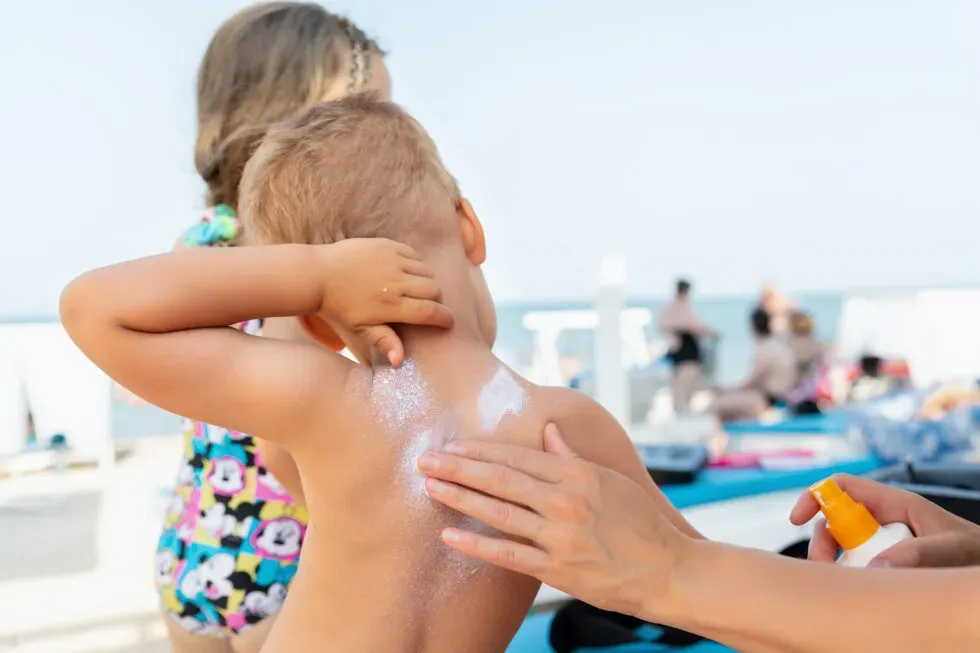
Apply a broad-spectrum sunscreen with an SPF of at least 30 before heading outdoors, and don’t forget to reapply it every two hours or after swimming and sweating. Wide-brimmed hats, lightweight clothing, and sunglasses provide additional protection, especially during the middle of the day when UV rays are strongest.
It’s also helpful to take breaks in the shade throughout the afternoon. Children rarely want to stop playing on their own, so building those breaks into your plans can make a big difference.
Remember that even cloudy days can lead to sunburn. Harmful UV rays can pass through cloud cover, making sunscreen an important part of every outdoor adventure.
Walk-In Care for Sun Poisoning in Indian Trail, NC
Summer is meant to be enjoyed, but too much sun can quickly turn a fun day into an uncomfortable one. Recognizing the early warning signs of sun poisoning can help your child recover faster and avoid more serious complications.
At AFC Urgent Care Indian Trail, we provide walk-in care for sun poisoning, severe sunburns, dehydration, heat exhaustion, and many other seasonal illnesses. Our experienced providers can evaluate your child’s symptoms, recommend the appropriate treatment, and help your family get back to enjoying the rest of the summer.
Whether your day was spent at Crooked Creek Park, exploring Downtown Indian Trail, or enjoying the playground at Chestnut Square Park, our team is here when you need us.
Walk into AFC Urgent Care Indian Trail today for fast, convenient treatment for sun poisoning and other summer illnesses. No appointment is necessary.