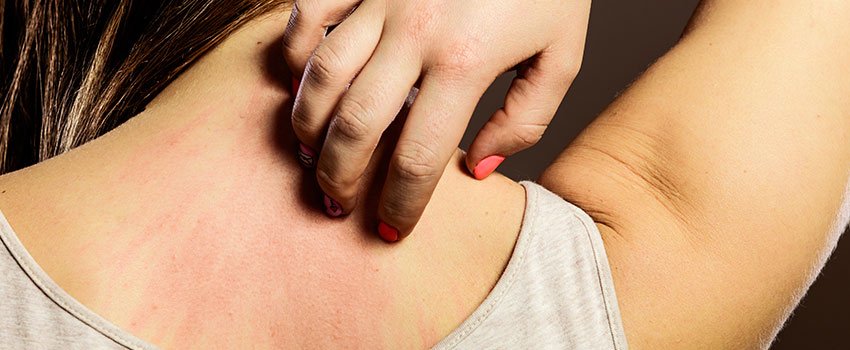
Living in North Carolina, many of us have likely come in contact with poison ivy before on hikes through the mountains or on various trails. If you haven’t, good for you, but for those of us who have experienced an itchy, uncomfortable poison ivy rash before, there has to be a way to treat it right?
Yes, and our AFC Urgent Care Indian Trail team share some further info about the topic below.
Why Do I Get a Rash from Poison Ivy?
Poison ivy, as well as poison sumac and poison oak, contains a toxic oil called urushiol. In fact, 85% of people develop a swollen, itchy red rash when they get urushiol on their skin, according to the American Academy of Dermatology. The rash typically appears between 12 and 72 hours after contact and lasts for around 2 to 4 weeks.
If you have developed a rash and you aren’t sure if it’s from poison ivy, monitor your symptoms to see if they line up with any of the symptoms of poison ivy that we’ve listed below.
Common Poison Ivy Symptoms
- Small bumps that quickly turn into blisters where the plant oil touched the skin
- Severe itching
- Redness and swelling
- Blisters that break, ooze fluid and crust over
How Can I Treat It?
One of the best ways to keep your poison ivy rash from getting worse is by not scratching it. Yes, you’ve probably heard that before, but scratching your rash can cause infection and can lead to worse skin conditions like impetigo, which is a highly contagious skin infection.
In addition to not scratching your rash, we’ve listed some effective at-home remedies below that will help lessen the severity of your poison ivy rash and will work to treat it. Remember, you can always visit our AFC center for treatment, too!
At-Home Remedies for Poison Ivy Rash
- Keeping it cold. Soaking your rash in cool-water baths containing an oatmeal-based product such as one by Aveeno should provide relief. Also, placing a cool, wet compress on the rash for 15 to 30 minutes several times a day should help.
- Cortisone and calamine. OTC cortisone creams and calamine lotion can help ease some of the itchiness of a poison ivy rash. Make sure to wash the rash with soap and water before applying and reapplying.
- Oral antihistamines. OTC antihistamines such as loratadine (Claritin) and diphenhydramine (Benadryl) can help ease your itching and inflammation, too. Don’t apply antihistamine creams to the rash, though, as these types of creams can actually make the rash worse.
Although summer camps like Queens Sports Camp are fun, poison ivy can be anywhere and your child could come home with a rough rash. Don’t hesitate to visit our AFC Urgent Care Indian Trail center for the relief you or your child needs today!


