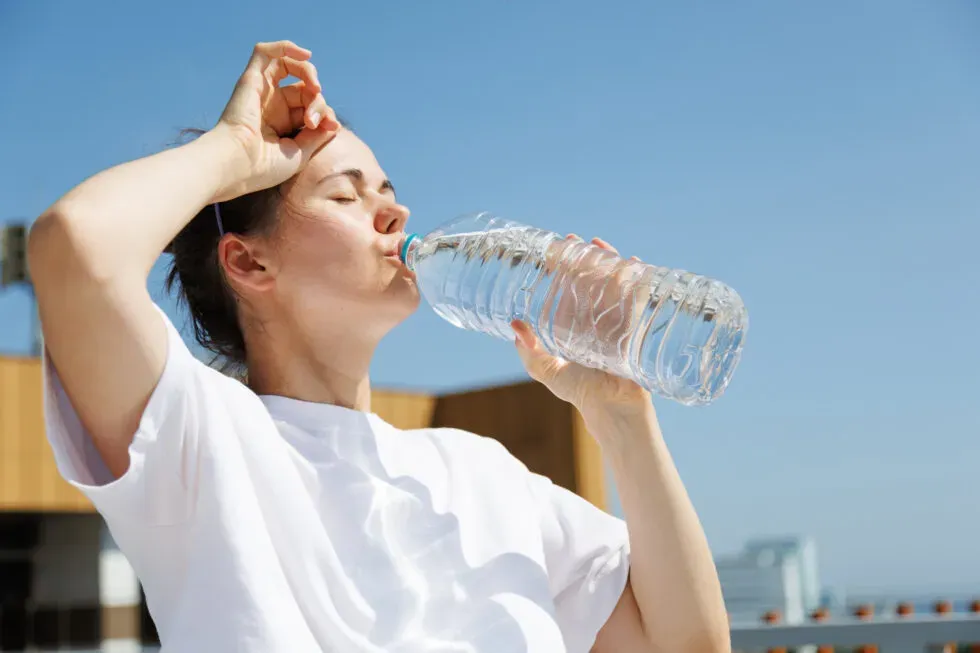
Summer heat in Gastonia can turn an ordinary day outdoors into a serious test for your body. Whether you’re working in the yard, walking through a local park, watching a summer game, or simply spending time outside with family, staying hydrated becomes especially important when temperatures climb.
During a heat wave, your body loses more water through sweat, making dehydration and heat-related illnesses more likely. The good news? A few simple hydration habits can help you stay comfortable and lower your risk of heat exhaustion or heatstroke.
Why Hydration Matters During Extreme Heat
Your body relies on sweating to regulate its temperature. When you’re dehydrated, you have less fluid available to produce sweat, making it harder for your body to cool itself.
Hot temperatures, high humidity, physical activity, and long periods in direct sunlight can all increase your fluid needs. You don’t have to feel thirsty before you start drinking water. Thirst can be an early sign that you’re already becoming dehydrated.
Start Hydrating Before You Head Outside
One of the easiest ways to stay ahead of dehydration is to drink fluids consistently throughout the day. Instead of waiting until you’re outside and feeling thirsty, make hydration part of your routine. Drink water with meals, keep a reusable bottle nearby, and increase your fluid intake before spending extended time outdoors. If you’re exercising or working outside for several hours, you may also need electrolytes to replace sodium and other minerals lost through sweat.
How Much Should You Drink?
There’s no single amount of water that works for everyone. Your needs can vary based on your activity level, body size, temperature, and how much you’re sweating. Avoid relying on thirst alone during extreme heat, especially when you’re exercising or working outdoors.
A few helpful signs that you’re staying hydrated include:
- Drinking regularly throughout the day
- Urinating regularly
- Having urine that is pale yellow rather than dark
- Increasing fluids when you’re sweating heavily
- Replacing fluids after prolonged outdoor activity
Don’t Forget Electrolytes
Water is usually the best choice for everyday hydration, but electrolytes can be helpful during prolonged periods of heavy sweating. Be mindful of drinks that contain large amounts of added sugar or caffeine. For most people, water should remain the foundation of their hydration routine.
Consider an electrolyte drink when you’re:
- Exercising outdoors for an extended period
- Working outside in high heat
- Sweating heavily
- Spending several hours outdoors during a heat wave
Know the Early Signs of Heat Exhaustion
Even with good hydration habits, heat-related illness can happen. Pay attention to how you feel, especially during a heat wave.
Common signs of heat exhaustion include:
- Heavy sweating
- Weakness or unusual fatigue
- Dizziness or headache
- Muscle cramps
- Nausea
- Cool, pale, or clammy skin
- Rapid heartbeat
If these symptoms develop, stop your activity and move somewhere cool. Rest, drink fluids, and allow your body time to recover.
Heatstroke Is a Medical Emergency
Heatstroke is much more serious and requires immediate medical attention. Warning signs can include:
- Confusion or unusual behavior
- Loss of consciousness
- Very high body temperature
- Severe headache
- Rapid breathing or heartbeat
- Hot, flushed skin
Other Ways to Stay Cool
Hydration is only one piece of heat safety. Sometimes the safest choice is simply knowing when it’s time to head indoors. During a Gastonia heat wave, you can also reduce your risk by:
- Limiting strenuous outdoor activity during the hottest part of the day
- Taking frequent breaks in the shade or air conditioning
- Wearing lightweight, breathable clothing
- Using sunscreen and wearing a hat
- Checking on children, older adults, and others who may be more vulnerable to heat
- Never leaving children or pets in a parked vehicle
When Should You Visit AFC Gastonia?
If you develop symptoms of heat exhaustion that don’t improve with cooling, rest, and hydration, it’s important to seek medical care. You should also be evaluated if you’re experiencing persistent dizziness, weakness, nausea, or dehydration after spending time in the heat. At AFC Gastonia, our experienced AFC providers can evaluate heat-related symptoms and help determine the appropriate next steps.
A Gastonia heat wave doesn’t have to keep you indoors all summer, but it does require a little extra planning. Drinking fluids consistently, replacing electrolytes when appropriate, taking breaks, and recognizing early warning signs can help you stay safer when temperatures rise.
And if the heat leaves you feeling worse instead of better, don’t ignore it. AFC Gastonia is here to provide convenient care when you need it, so you can focus on cooling down and getting back to feeling like yourself.