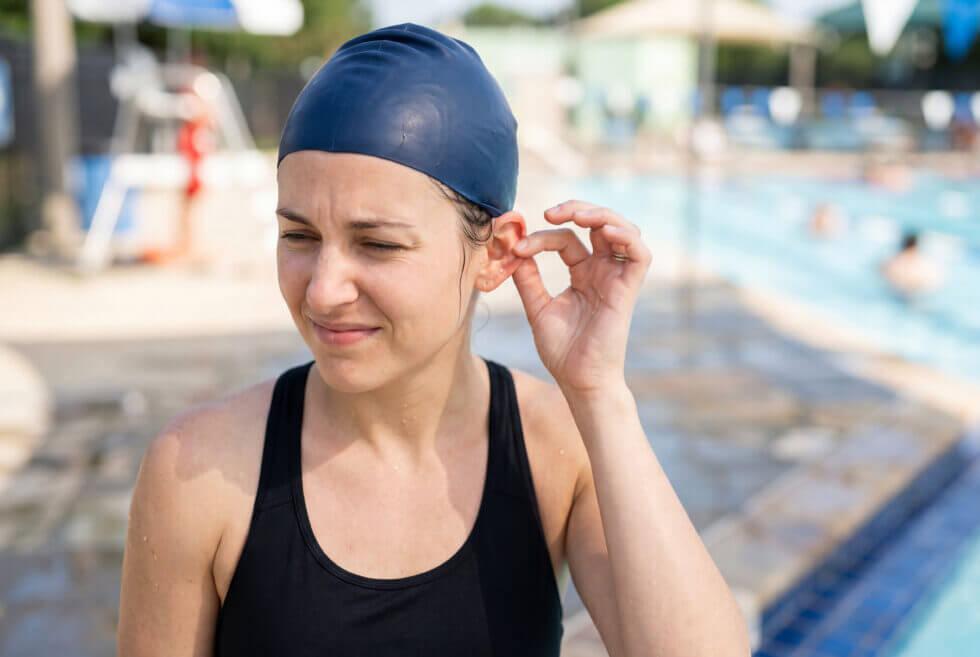
Summer in Gastonia is made for pool days, afternoons at the lake, and backyard water fun with family and friends. While spending time in the water is one of the best ways to beat the North Carolina heat, it can sometimes lead to an uncomfortable condition known as swimmer's ear.
If your ear starts hurting after a day of swimming, don't assume it's just water that hasn't drained out. Swimmer's ear is a common outer ear infection that can become increasingly painful without treatment. Fortunately, our experienced AFC providers at AFC Gastonia can diagnose the problem and help you find relief quickly so you can get back to enjoying your summer.
What Is Swimmer's Ear?
Swimmer's ear, also known as otitis externa, is an infection of the outer ear canal. It typically develops when moisture becomes trapped inside the ear, creating the perfect environment for bacteria or fungi to grow. Although swimming is the most common cause, swimmer's ear can also develop after frequent showers or from inserting cotton swabs, earbuds, or other objects into the ear canal that irritate the skin.
Common Symptoms of Swimmer's Ear
Symptoms often begin mildly but can become more noticeable over the next day or two. Watch for:
- Ear pain that worsens when you touch or pull on your ear
- Itching inside the ear canal
- Redness or swelling around the ear
- Clear, yellow, or cloudy drainage
- A feeling of fullness or pressure in the ear
- Muffled or decreased hearing
- Without proper treatment, the infection can worsen and make everyday activities uncomfortable.
Tips to Help Prevent Swimmer's Ear
Fortunately, there are several simple ways to lower your risk:
- Dry your ears thoroughly after swimming or showering.
- Tilt your head to allow trapped water to drain.
- Avoid inserting cotton swabs or other objects into your ears.
- Wear properly fitted swim earplugs if you're frequently in the water.
- Give irritated ears time to heal before swimming again.
These small habits can go a long way toward keeping your ears healthy all summer long.
Can You Treat Swimmer's Ear at Home?
If you're only experiencing mild irritation, keeping your ears clean and dry may help prevent symptoms from getting worse. It's also a good idea to stay out of the water until your ear feels better and avoid putting anything into the ear canal.
However, once pain becomes more significant or you notice swelling or drainage, home remedies are usually no longer enough. Swimmer's ear often requires prescription ear drops or other medications to eliminate the infection.
When Should You Visit AFC Gastonia?
Don't wait for symptoms to worsen. Visit AFC Gastonia if you experience:
- Moderate to severe ear pain
- Drainage coming from the ear
- Swelling that affects your hearing
- Symptoms lasting longer than one or two days
- Fever or redness spreading beyond the ear
- Pain that continues to worsen despite home care
Early treatment can relieve discomfort more quickly and help prevent the infection from becoming more severe.
How AFC Gastonia Can Help
At AFC Gastonia, our experienced AFC providers can diagnose swimmer's ear and create a treatment plan tailored to your symptoms. Depending on the severity of your infection, treatment may include prescription ear drops, medication to reduce inflammation, and guidance on protecting your ears while they heal. A painful ear infection shouldn't keep you out of the water all season long. If ear pain, itching, or drainage develops after swimming, don't ignore the symptoms. Our team at AFC Gastonia is here with fast, convenient care to help you recover quickly so you can get back to making the most of summer.