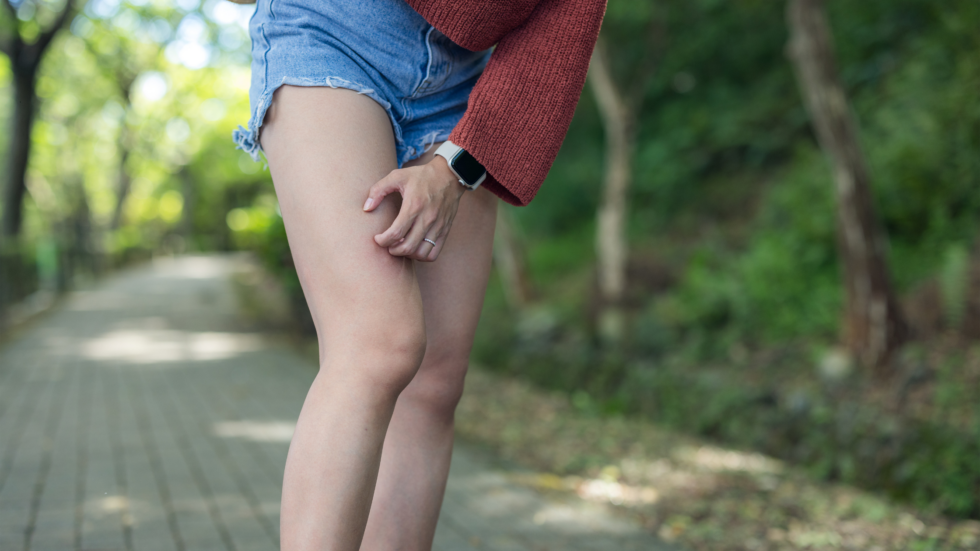
Summer in Oregon is made for hiking trails, camping trips, backyard cookouts, lake days, and outdoor fun with family and friends. But with more time outside comes more exposure to bug bites, skin irritation, rashes, and the occasional animal bite.
At AFC Urgent Care Beaverton, summer is one of the busiest times of year for treating insect bites, allergic skin reactions, infected cuts, cellulitis, and animal-related injuries. The good news is that most of these issues are very manageable when treated early.
A little awareness can go a long way toward helping you stay comfortable, avoid complications, and spend more time enjoying your summer plans.
Why Summer Can Be Tough on Skin
Warm weather, sweating, swimming, and outdoor activities can all irritate the skin. Even small cuts, scratches, or bug bites can sometimes become inflamed if they are not properly cleaned or cared for.
Scratching itchy bites can also make irritation worse by damaging the skin and allowing bacteria to enter.
Healthcare providers also tend to see more outdoor-related injuries this time of year, including dog bites, tick bites, bee stings, and infected scrapes from outdoor activities. Children are especially prone to summer skin irritation because they spend more time playing outside and are more likely to scratch bug bites or interact closely with animals.
According to the American Academy of Family Physicians, many bug bites are harmless, but certain bites and skin reactions may require medical treatment if symptoms worsen or signs of infection appear.
Common Summer Bug Bites
Mosquitoes are one of the most common summer annoyances. Their bites usually cause small, itchy bumps that improve within a few days. While they are typically harmless, excessive scratching can irritate the skin and make healing take longer.
Ticks are another common concern throughout Oregon, especially for hikers, campers, and anyone spending time in grassy or wooded areas. Since tick bites are often painless, it is important to check your skin after outdoor activities. Early removal is the best way to reduce the risk of tick-related illness.
Spider bites also tend to worry people during the summer months. Fortunately, most are harmless and improve on their own. In some cases, what appears to be a spider bite may actually be a bacterial skin infection such as MRSA.
Bee stings and wasp stings are also common during outdoor gatherings and recreation. Mild reactions usually include redness, swelling, and soreness around the sting site. More severe allergic reactions can include facial swelling, dizziness, widespread hives, or trouble breathing and should always be treated immediately.
Fire ant bites, flea bites, and chigger bites can also leave behind very itchy skin, especially for children and people with sensitive skin.
When a Bug Bite Needs More Attention
Most bug bites improve with basic home care like washing the area, applying a cold compress, and avoiding scratching.
Still, it is a good idea to pay attention if symptoms seem to be getting worse instead of better. Increasing redness, swelling, warmth, pain, or drainage may point to an infection such as cellulitis.
Common signs of an infected bite include:
- Spreading redness
- Warmth around the area
- Tenderness or discomfort
- Drainage or pus
- Fever
- Swollen lymph nodes
- Red streaking from the bite
The Cleveland Clinic notes that cellulitis can become serious without treatment and may require antibiotics to help stop the infection from spreading.
You should also seek medical attention if you develop flu-like symptoms after a tick bite, notice a bullseye-shaped rash, or experience severe swelling after an insect sting.
Visit AFC Beaverton if you are experiencing these symptoms from a bug bite.
Understanding Animal Bites
Animal bites are another common reason people visit urgent care during the summer. Dog bites are the most frequently reported, but cat bites actually carry a higher risk of infection because their sharp teeth can push bacteria deeper beneath the skin.
Even bites that initially seem minor can become irritated quickly.
Common symptoms after an animal bite may include:
- Pain
- Swelling
- Bruising
- Bleeding
- Tenderness
- Puncture wounds
More serious injuries may involve deeper tissue damage or infection, which is why bites that break the skin should always be monitored closely.
Healthcare providers also evaluate animal bites for tetanus risk and possible rabies exposure depending on the situation and the type of animal involved.
Bites involving the hands, face, joints, or deeper puncture wounds are especially important to evaluate quickly because these areas are more prone to complications.
Many people are surprised to learn that cat bites often become infected within 24 hours. Symptoms like redness, warmth, swelling, drainage, or worsening pain can appear quickly if bacteria become trapped beneath the skin.
The good news is that early treatment can significantly reduce the risk of complications and help speed up recovery.
Quick Care Can Make Recovery Easier
Professional wound cleaning and early treatment can help lower the risk of infection after an animal bite.
At AFC Beaverton, providers can:
- Evaluate and clean wounds
- Prescribe antibiotics if needed
- Check tetanus vaccination status
- Recommend follow-up care when appropriate
Getting treated early can help prevent bigger issues later and get you back to feeling your best sooner.
Common Summer Skin Infections
Summer heat and humidity can also contribute to bacterial and fungal skin infections. Tight workout clothes, wet swimsuits, sweating, and long days outdoors can all irritate the skin and create conditions where bacteria thrive.
One of the most common infections treated during the summer is cellulitis, which causes redness, swelling, warmth, tenderness, and inflammation that gradually spreads.
Folliculitis is another common warm-weather skin condition. It happens when hair follicles become irritated or inflamed, often after sweating heavily or spending time in pools and hot tubs. Impetigo, which is especially common in children, appears as red sores or blisters that eventually form a yellowish crust.
Fungal infections like athlete’s foot and ringworm also become more common during hot, humid weather.
The tricky part is that many skin infections can initially resemble bug bites or mild rashes. If symptoms continue worsening instead of improving, it is a good idea to have them evaluated.
Tips for Keeping Your Skin Healthy This Summer
You cannot avoid every bug bite or scrape during the summer, but a few simple habits can help you stay more comfortable while spending time outdoors.
Helpful prevention tips include:
- Using insect repellent outdoors
- Wearing long sleeves and pants while hiking or camping
- Checking for ticks after outdoor activities
- Keeping cuts and scrapes clean
- Avoiding scratching bug bites
- Changing out of wet swimsuits and sweaty clothes quickly
- Washing skin after outdoor adventures
Small steps like these can help you avoid irritation and spend more time enjoying the season.
When Should You Visit Urgent Care?
Not every bite, sting, or rash needs immediate medical care, but certain symptoms should not be ignored.
Visit urgent care if you experience:
- Worsening redness or swelling
- Fever
- Drainage or pus
- Severe itching
- Increasing pain
- Persistent warmth around a wound
- Spreading rash or irritation
Medical evaluation is also recommended for:
- Animal bites that break the skin
- Tick bites followed by rash or flu-like symptoms
- Suspected cellulitis
- Severe allergic reactions to insect stings
- Painful or worsening rashes
Getting treated early can often help prevent longer recovery times and keep small issues from becoming bigger disruptions to your summer plans.
Get Fast Treatment for Bug Bites and Skin Infections
At AFC Beaverton, we provide walk-in treatment for bug bites, tick bites, allergic reactions, skin infections, rashes, and animal bites throughout the summer season.
Our providers can evaluate symptoms, clean wounds, prescribe medications, and help determine the best treatment plan so you can heal quickly and get back to enjoying summer.
Book an appointment online at AFC Beaverton for fast treatment.