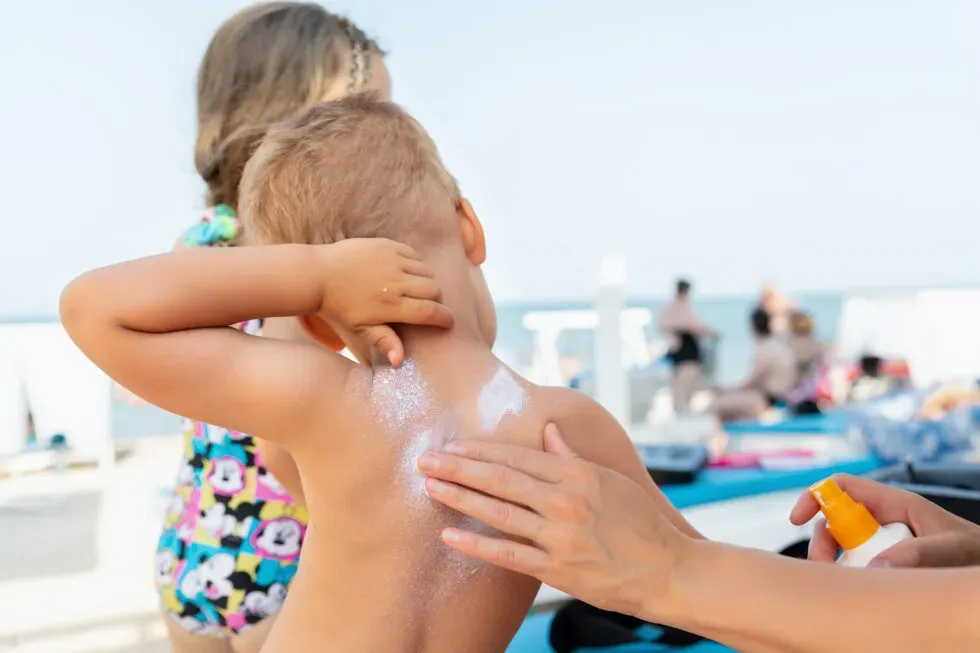
Summer in East Tennessee has a way of pulling families outside. One afternoon might be spent splashing around at Athens Regional Park, another cheering from the sidelines at the McMinn County Bicentennial Park, or strolling through Downtown Athens for a community event. A few hours in the sun can make for great memories, but it can also leave you wondering if your child's bright red skin is more than a typical sunburn.
Most sunburns are uncomfortable but improve with time and a little extra care. Sun poisoning is different. Despite its name, it isn't actually a type of poisoning. It's a severe reaction to too much ultraviolet (UV) exposure, and in some cases, it can make a child feel sick well beyond the burn itself.
Knowing what to watch for can help you decide when it's okay to care for your child at home and when it's time to seek medical attention.
What Is Sun Poisoning?
Sun poisoning is a term people often use to describe a severe sunburn that's accompanied by symptoms affecting the rest of the body. After spending too much time in the sun, the skin becomes inflamed, but the body can also respond with dehydration, heat-related illness, or an immune reaction.
Children are especially vulnerable because they have more sensitive skin than adults. They may also become so caught up in swimming, playing, or exploring that they don't realize they're getting too much sun until it's too late.
A mild sunburn usually causes redness and tenderness that gradually improve over several days. Sun poisoning often feels much more intense and may continue getting worse during the first 24 hours.
How Can You Tell the Difference?
It isn't always obvious right away. A typical sunburn might sting for a day or two before slowly fading. Your child may complain that their shoulders hurt or avoid wearing a backpack because their skin feels sensitive. Sun poisoning often comes with additional symptoms that suggest the body is struggling to recover from too much sun exposure.
These may include:
- Large or painful blisters
- Swelling that continues to worsen
- Fever or chills
- Headache
- Nausea or vomiting
- Dizziness or feeling faint
- Signs of dehydration, such as dry lips or dark urine
If your child starts acting unusually tired, becomes difficult to wake, or isn't drinking fluids, it's important to take those symptoms seriously.
If your child's sunburn is accompanied by fever, vomiting, or signs of dehydration, visit AFC Urgent Care Athens for a prompt walk-in evaluation.
What Should You Do at Home?
If your child has a mild sunburn and is otherwise feeling well, there are several ways to help them stay comfortable while their skin heals.
Move them indoors or into the shade as soon as you notice the burn. Encourage them to drink plenty of water, since sun exposure can lead to dehydration before anyone realizes it. A cool bath or cool compress may help soothe the skin, and loose-fitting clothing can prevent additional irritation.
You should also remind your child not to peel blisters or pick at peeling skin. Although it may be tempting, damaged skin needs time to heal, and opening blisters can increase the risk of infection.
Pain relievers may be appropriate for some children, but always follow the dosing instructions and talk with your provider if you have questions.
When Should You See a Medical Provider?
Parents know their children better than anyone else. If something seems off, it's worth paying attention.
Medical evaluation is a good idea if your child develops extensive blistering, severe pain that isn't improving, or symptoms that go beyond the skin itself. Sometimes what looks like sun poisoning can overlap with heat exhaustion or significant dehydration, making professional evaluation especially important.
It's also a good idea to have young children evaluated sooner rather than later because they can become dehydrated more quickly than older children and adults.
You don't have to guess whether your child's symptoms are serious. Our providers at AFC Urgent Care Athens can evaluate severe sunburns, dehydration concerns, and other heat-related illnesses without an appointment.
Can Sun Poisoning Be Prevented?
The best treatment is avoiding severe sunburn in the first place.
Before heading outside, apply a broad-spectrum sunscreen with an SPF of at least 30 and remember to reapply it every two hours. If your child is swimming or sweating heavily, sunscreen should be applied more often according to the product instructions.
Lightweight clothing, wide-brimmed hats, and sunglasses can also help protect exposed skin. Planning outdoor activities earlier in the morning or later in the afternoon may reduce exposure during the strongest sunlight of the day.
Even on cloudy days, ultraviolet rays can still damage the skin, so sun protection should be part of your family's routine all summer long.
Walk-In Care for Sun Poisoning in Athens, TN
A day in the sun should end with tired kids and happy memories, not a painful burn that leaves your child feeling sick.
At AFC Urgent Care Athens, we provide walk-in care for sun poisoning, severe sunburns, dehydration, heat-related illnesses, and many other seasonal health concerns. Our experienced providers can evaluate your child's symptoms, recommend appropriate treatment, and help you know when it's safe to recover at home.
Whether your family spent the day at Athens Regional Park, attended an event near Downtown Athens, or enjoyed an afternoon around the McMinn County Sports Complex, we're here when you need us.
Walk into AFC Urgent Care Athens today for fast, convenient treatment for sun poisoning and other summer illnesses. No appointment is necessary.