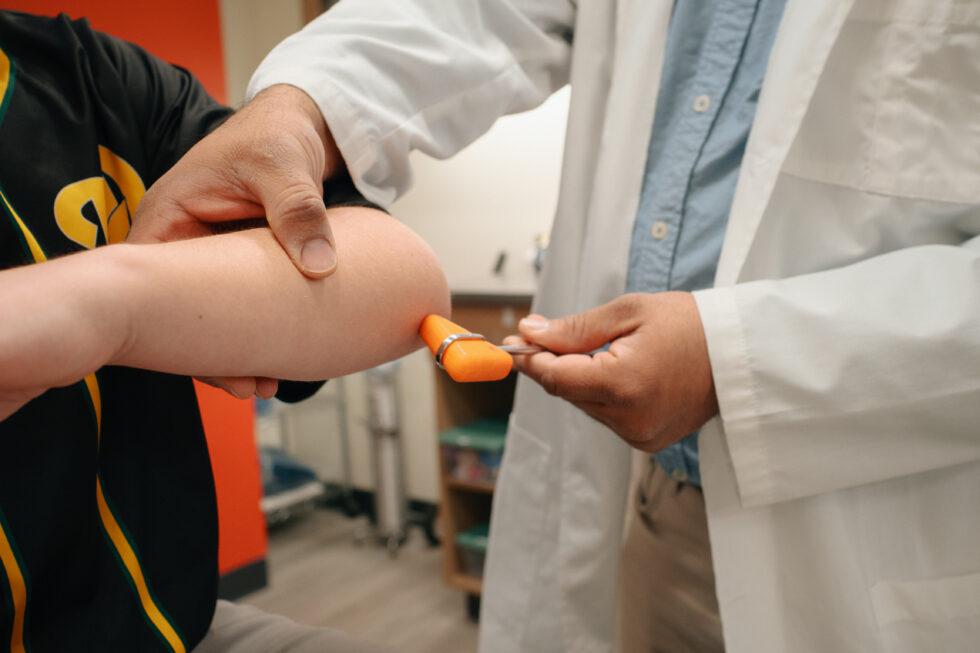
After weeks of summer training, the season is almost here, and your athlete could not be more excited. Whether your athlete is trying out for the Tigard High School team as a freshman or returning to their favorite sport, there is one important step to take before the season begins: a sports physical.
A sports physical, also known as a pre-participation physical examination (PPE), is designed to evaluate an athlete’s overall health and identify any concerns that could affect their ability to safely participate in their chosen sport.
Scheduling a sports physical before the season begins makes the transition back into athletics seamless. Our team at AFC Urgent Care Tigard regularly and efficiently provides sports physicals for our local athletes, so they are ready to step out onto the field for game 1.
Why Do Athletes Need Sports Physicals?
During a sports physical, a healthcare provider reviews an athlete’s health history and looks for potential concerns that may require additional attention. According to the American Academy of Family Physicians, sport physicals are important as they help identify and address the following:
- Previous injuries that could affect performance.
- Breathing concerns, including asthma.
- Heart health history.
- Joint, muscle, and bone concerns.
- Medication needs.
- Physical development.
- Fitness and conditioning questions.
What Happens During a Sports Physical?
Many parents and athletes wonder what takes place during a sports physical appointment. These exams are typically straightforward and focus on understanding the athlete’s health and readiness for activity. A healthcare provider will begin by reviewing the athlete’s medical history and performing a physical examination.
Reviewing the Athlete’s Medical and Health History
One of the most important parts of a sports physical is understanding an athlete’s background. Providers may ask questions about:
- Previous injuries
- Surgeries or hospitalizations
- Current medications
- Allergies
- Exercise-related symptoms
- Family history of certain health conditions
Athletes should be honest about any symptoms they have experienced, including pain, dizziness, shortness of breath, or feeling unusually tired during exercise. These conversations help providers better understand each athlete’s needs and provide personalized recommendations.
Checking Overall Physical Health
During the physical exam, the provider may begin with checking the following items, which create a picture of an athlete’s current health and may identify areas that need additional evaluation:
- Height and weight
- Blood pressure
- Heart and lung function
- Vision
- Musculoskeletal health
- Overall physical development
Depending on the athlete’s history and sport, the provider may evaluate the athlete’s range of movement and discuss strength, flexibility, and previous injuries. For example, an athlete returning from a sprain, concussion, or other sports injury may benefit from discussing recovery progress and ways to reduce future risks.
Additionally, a sports physical is also a great time for you and your athlete to ask questions you may have to improve performance, including questions about training, conditioning, hydration, and staying healthy throughout the season.
When Should I Schedule a Sports Physical?
The best time to schedule a sports physical is well before the season begins, not the day of or same week as the first practice. Many schools and athletic organizations require athletes to complete a physical before they can participate in the first practice.
Requirements may vary, so families should check with their school or sports program for specific deadlines. Tigard High School Athletics requires a valid OSAA physical form completed before beginning. Your athlete also needs to be registered online on their website.
What Should I Bring to a Sports Physical?
Arriving prepared can help make the appointment process easier. Before your visit, make sure to bring any forms required by your child’s school or sports organization. You may also want to have:
- Sports physical paperwork, including the OSAA physical form required for Tigard High School.
- A list of medications.
- Information about previous injuries.
- Details about existing medical conditions.
- Questions or concerns you would like to discuss.
Common Topics Discussed During Sports Physicals
Every athlete’s needs are different. A sports physical provides an opportunity to discuss health concerns that may impact performance, safety, or recovery.
Previous Injuries
Many athletes have dealt with injuries at some point in their athletic careers. Whether it is a previous sprain, fracture, concussion, or muscle injury, it is important to discuss the injury history with a healthcare provider. Returning to sports before an injury has fully healed can increase the risk of continual problems.
Asthma and Breathing Concerns
Some athletes experience breathing difficulties during exercise. Conditions such as asthma do not always prevent participation, but they should be properly managed. Discussing symptoms and treatment plans during a sports physical can help athletes stay active while managing their health.
Nutrition, Hydration, and Recovery
Athletes need proper nutrition, hydration, and rest to support performance. Sports physical visits are a great time to discuss healthy habits such as:
- Drinking enough water throughout the day.
- Eating balanced meals.
- Getting enough sleep.
- Allowing time for recovery between activities.
Where Can I Get a Sports Physical in Tigard?
At AFC Urgent Care Tigard, our team provides convenient sports physicals for local athletes and families. We understand that busy schedules can make healthcare appointments challenging. Appointments are recommended to help ensure a smooth visit and allow families to plan ahead before sports deadlines.
Schedule your sports physical today at AFC Urgent Care Tigard and help your athlete start the season ready, confident, and prepared to play!