Whether you’re enjoying a walk along the trails at Cook Park or going about your daily routine at home or work, unexpected injuries can happen at any time. From slips and falls to kitchen burns or sudden medical concerns, these situations often occur without warning and require quick thinking. Having a solid understanding of first aid basics can make a meaningful difference in how effectively you respond in those first critical moments before professional care is available.
Guidance from trusted organizations like the American Red Cross emphasizes that early intervention can help stabilize injuries, reduce complications, and improve overall outcomes. Taking action quickly while remaining calm can help you manage the situation until medical care is available.
Understanding basic first aid allows you to take control of the situation, protect yourself and others, and feel more confident in moments that might otherwise feel overwhelming.
Visit AFC Urgent Care Tigard today!
First Aid Essentials Before You Seek Care
Build a Basic First Aid Kit
Having supplies on hand makes it much easier to respond quickly when injuries happen. Keep a first aid kit at home, in your car, and anywhere your family spends a lot of time.
Common first aid kit essentials include:
- Adhesive bandages in multiple sizes
- Sterile gauze pads and medical tape
- Antiseptic wipes
- Antibiotic ointment
- Disposable gloves
- Tweezers and scissors
- Instant cold packs
- Elastic wrap bandage
- Thermometer
- Pain relievers
- Burn cream or burn dressing
- Emergency contact numbers
Check your kit regularly and replace expired or used items.
Protect Yourself
Before assisting someone else, it’s essential to make sure you are protecting your own health and safety. Use gloves, gauze, or a clean cloth as a barrier when dealing with blood or bodily fluids. If gloves are not available, layering fabric can still provide a level of protection.
Always wash or sanitize your hands whenever possible, both before and after providing care. Avoiding direct contact with bodily fluids reduces the risk of contamination and helps prevent the spread of infection. Taking these precautions ensures that you can safely help others without putting yourself at unnecessary risk.
Common Injuries & What to Do
Bleeding wounds require immediate attention. Start by applying firm, direct pressure with a clean cloth or bandage to slow or stop the bleeding. If possible, elevate the injured area above heart level to help reduce blood flow. Once the bleeding is under control, gently clean the wound with water and cover it with a sterile bandage to protect against infection.
Minor cuts and scrapes should still be treated carefully. Rinse the area thoroughly under running water to remove dirt and debris, then apply a clean bandage. Keeping the wound clean and changing dressings regularly helps promote proper healing and reduces the risk of infection.
Choking emergencies can escalate quickly and require immediate action. Look for signs such as inability to speak, difficulty breathing, or hands clutching the throat. Perform abdominal thrusts by standing behind the person and delivering quick upward motions until the airway is cleared.
Shock is a serious condition that can occur after injury or trauma. Symptoms may include pale or clammy skin, rapid breathing, dizziness, or confusion. If you suspect shock, lay the person flat on their back, elevate their legs if possible, and keep them warm with a blanket while waiting for help.
Burns should be cooled under lukewarm running water for several minutes to help reduce pain and prevent further damage. Cover the burn with a clean, non-stick bandage, and avoid applying ice or home remedies, as these can worsen the injury.
Sprains and strains can often be managed using the R.I.C.E. method:
- Rest the injured area
- Ice to reduce swelling
- Compression with a bandage
- Elevation to minimize inflammation
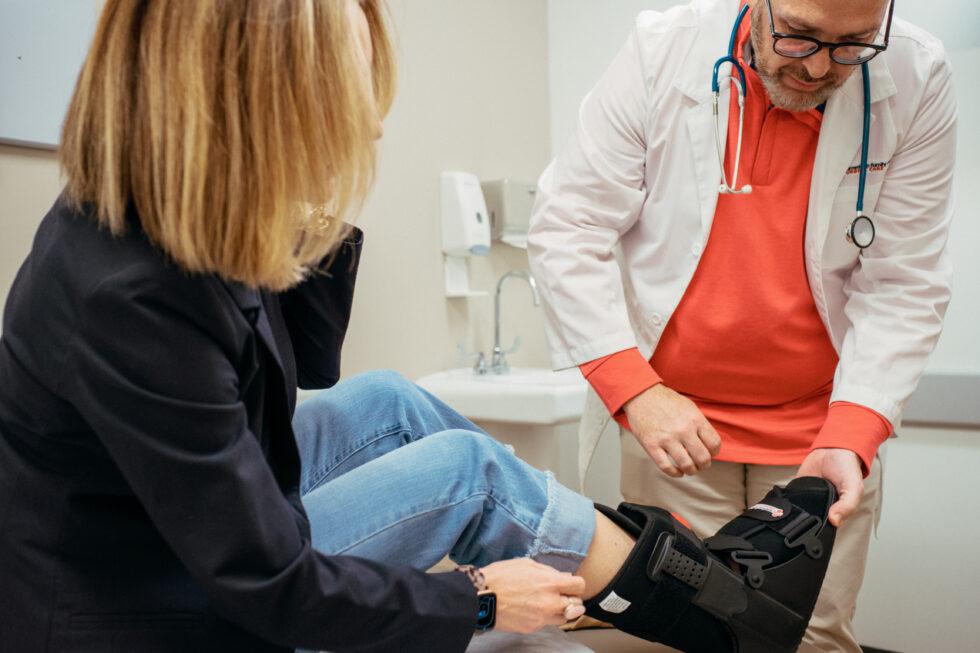
If there is severe pain, swelling, or visible deformity, the injury may be more serious and should be evaluated by a medical professional. Contact AFC Tigard for treatment and relief.
When to Seek Emergency Help
While many injuries can be treated with first aid or urgent care, some situations require immediate emergency attention.
Call 911 Immediately If You Notice:
- Chest pain or pressure that could indicate a heart attack
- Difficulty breathing or shortness of breath
- Stroke symptoms, including face drooping, arm weakness, or slurred speech
- Severe allergic reactions with swelling or trouble breathing
- Loss of consciousness or unresponsiveness
Recognizing these symptoms early and acting quickly can be life-saving.
When to Visit AFC Urgent Care Tigard
First aid is an important first step, but professional medical care is often still necessary to ensure proper healing and recovery.
Visit AFC Urgent Care Tigard for:
- Cuts that may require stitches or further evaluation
- Minor fractures, sprains, or joint injuries
- Burns that need medical attention
- Signs of infection, such as redness, swelling, or drainage
- Mild to moderate allergic reactions
- Symptoms of dehydration or heat-related illness
If your symptoms worsen or you develop new concerns, don’t wait, walk in or book online for prompt care with AFC Urgent Care Tigard.
At AFC Urgent Care Tigard, we’re here to support you every step of the way. From initial evaluation to ongoing care, our team is committed to providing timely, compassionate treatment when you need it most. When life happens, you can rely on us to help keep you and your family safe and healthy.