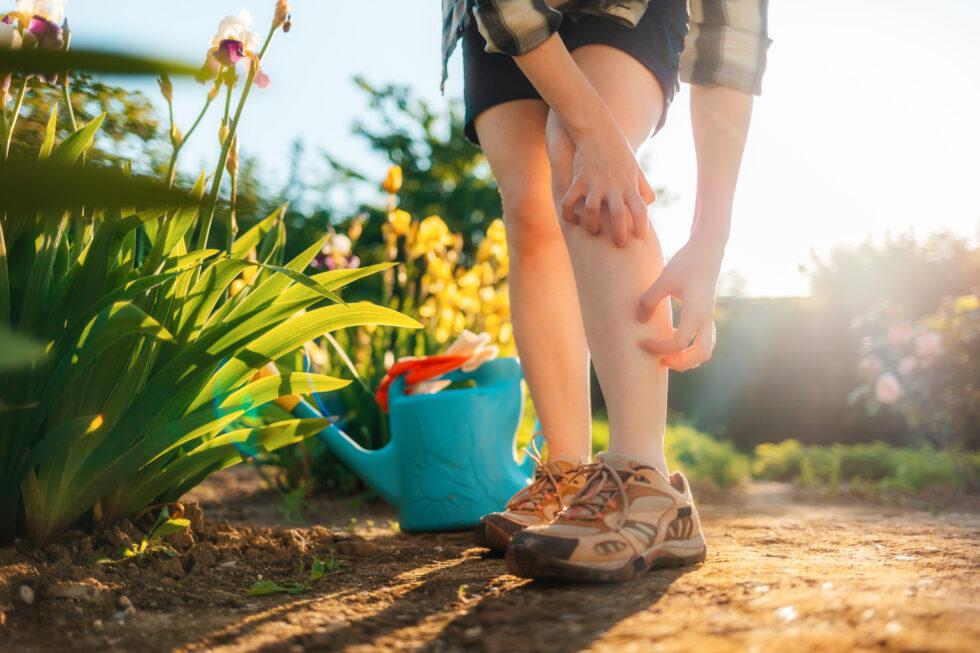
Poison ivy can often be treated at home, but some rashes require medical care. Learn when to visit AFC Urgent Care Sevierville for relief.
Living near the Great Smoky Mountains means there are endless opportunities to explore the outdoors. Whether you’re hiking near Great Smoky Mountains National Park or spending the afternoon at Sevierville City Park, it’s easy to come into contact with poison ivy without realizing it. This common plant grows throughout East Tennessee and is responsible for thousands of itchy skin reactions every year. While many poison ivy rashes improve with basic home care, others can become severe and require professional treatment. Knowing the warning signs can help you avoid unnecessary discomfort and get the care you need sooner.
Poison Ivy: What You Need to Know
Poison ivy is a plant that produces an irritating oil known as urushiol. Contact with this oil can trigger an allergic skin reaction in most people. Poison ivy is commonly found along hiking trails, wooded areas, campsites, and even residential properties throughout Sevier County.
The plant often appears as clusters of three leaflets, but its appearance can vary by season and growing conditions. Because poison ivy can blend in with surrounding vegetation, many people do not realize they’ve touched it until symptoms appear.
For help identifying poison ivy, visit the American Academy of Dermatology.
Why Does Poison Ivy Cause a Rash?
The rash associated with poison ivy develops when urushiol penetrates the skin and triggers an immune response. This reaction is called allergic contact dermatitis and can cause inflammation, itching, redness, and blistering.
What surprises many people is how little urushiol it takes to cause symptoms. Even trace amounts left on clothing, camping gear, gardening gloves, or pet fur can result in exposure. The oil can remain active on surfaces for months if not properly cleaned.
Because of this, it is important to wash anything that may have come into contact with poison ivy after spending time outdoors.
Signs and Symptoms of Poison Ivy
Symptoms do not always appear immediately. Most people develop a rash within 12 to 72 hours after exposure.
Common signs of poison ivy include:
- Severe itching
- Red or inflamed skin
- Swelling
- Small or large blisters
- Rash patterns that appear in lines or streaks
The severity of symptoms often depends on how much urushiol contacted the skin and whether you’ve experienced poison ivy reactions in the past.
Treating Poison Ivy at Home
Many poison ivy cases can be managed without visiting a healthcare provider. The goal of treatment is to relieve symptoms while allowing the skin to heal naturally.
Helpful home treatments include:
- Washing exposed skin immediately after contact
- Applying cool, wet compresses
- Using calamine lotion
- Taking over-the-counter antihistamines
- Avoiding scratching
- Wearing loose-fitting clothing over affected areas
The Mayo Clinic recommends cleaning exposed skin as quickly as possible to reduce the amount of urushiol absorbed by the body.
Most mild rashes improve within one to three weeks.
When Home Remedies Are Not Enough
Although poison ivy often resolves on its own, some cases become severe enough to require medical attention. If symptoms continue to worsen despite home treatment, professional evaluation may be necessary.
Consider visiting AFC Urgent Care Sevierville if you develop:
- Extensive blistering
- Significant swelling
- A rash covering a large area of the body
- Severe itching that disrupts sleep
- Rash near the eyes or face
- Fever
- Signs of infection
- Symptoms lasting longer than two weeks
These symptoms may indicate a stronger allergic reaction or secondary infection that requires prescription treatment.
How AFC Urgent Care Sevierville Can Help
At AFC Urgent Care Sevierville, our providers regularly evaluate and treat poison ivy rashes. We can determine the severity of your reaction and recommend appropriate treatment options to help you recover comfortably.
Depending on your symptoms, treatment may include:
- Prescription corticosteroid medications
- Topical anti-inflammatory creams
- Antibiotics for infected rashes
- Recommendations for ongoing symptom management
Seeking care early can help prevent worsening symptoms and reduce recovery time.
Preventing Future Poison Ivy Exposure
If you spend time outdoors in Sevierville, taking precautions against poison ivy can help you avoid future reactions.
Helpful prevention strategies include:
- Learn how to identify poison ivy, poison oak, and poison sumac
- Wear long sleeves and long pants while hiking
- Use gloves when gardening or landscaping
- Wash exposed skin after outdoor activities
- Clean shoes, tools, and outdoor equipment regularly
- Bathe pets that may have wandered through wooded areas
Additional poison ivy prevention guidance is available from the CDC.
Get Relief at AFC Urgent Care Sevierville
Poison ivy can quickly derail outdoor plans and make everyday activities uncomfortable. Whether you’re dealing with a mild rash that isn’t improving or a more severe reaction, AFC Urgent Care Sevierville is here to help.
Our experienced medical team provides walk-in care for poison ivy, allergic skin reactions, and other common conditions. If your symptoms are becoming difficult to manage, visit our clinic for prompt evaluation and treatment.
Walk in today or book online for fast, convenient care at AFC Urgent Care Sevierville.