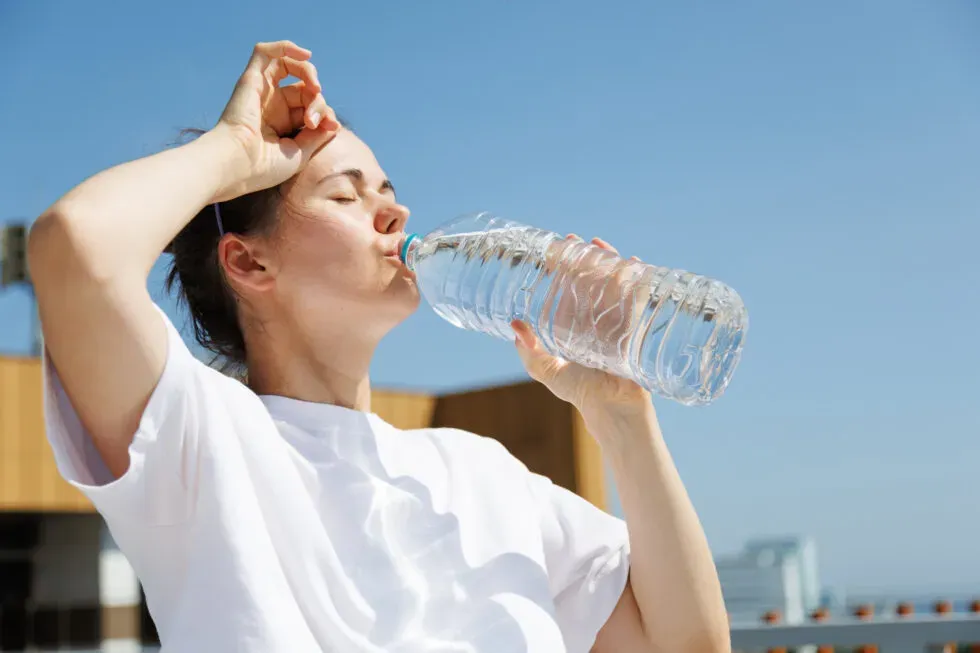
Summer in Clevelandcan bring plenty of sunshine, high temperatures and humidity. Whether you’re working in the yard, spending the day outdoors or staying active with family, a heat wave can make even familiar activities harder on your body.
One of the simplest ways to protect yourself is also one of the most important: stay hydrated. Knowing how much to drink, when to take breaks and which warning signs to watch for can help prevent dehydration, heat exhaustion and more serious heat-related illness.
Why Hydration Matters in Hot Weather
Your body relies on sweating to cool itself down. When temperatures climb, you lose more fluid through sweat, and you may become dehydrated faster than you realize.Don’t wait until you’re extremely thirsty to start drinking water. Make hydration part of your routine, especially before and during outdoor activities.
Hydration Tips for a Heat Wave
If you’re sweating heavily for hours, an electrolyte beverage may help replace sodium and other electrolytes lost through sweat. A few simple habits can help you stay ahead of dehydration:
- Drink water regularly throughout the day.
- Start hydrating before heading outdoors.
- Take frequent water breaks during physical activity.
- Replace electrolytes when you’ve been sweating heavily for an extended period.
- Limit alcohol and excessive caffeine, which can contribute to dehydration.
- Keep water easily accessible when working or exercising outside.
Don’t Forget About Timing
During a heat wave, try to schedule strenuous outdoor activities during cooler parts of the day. If possible, avoid prolonged activity during the hottest afternoon hours.
Wear lightweight, breathable clothing and take regular breaks in the shade or air conditioning. And remember: humidity can make it harder for sweat to evaporate, making your body work even harder to stay cool.
Know the Signs of Heat Exhaustion
Even with good hydration, heat-related illness can happen. If these symptoms develop, stop the activity, move somewhere cool, loosen unnecessary clothing and sip fluids. Signs of heat exhaustion can include:
- Heavy sweating
- Weakness or unusual fatigue
- Dizziness or headache
- Nausea
- Muscle cramps
- Cool, pale or clammy skin
- Fast, weak pulse
When Heat Illness Becomes an Emergency
Heatstroke is a medical emergency and requires immediate attention. If heatstroke is suspected, call 911 immediately. Don’t wait for the person to recover on their own. Warning signs can include:
- Confusion or unusual behavior
- Fainting or loss of consciousness
- Seizures
- Very high body temperature
- Hot skin
- Severe or worsening symptoms
How AFC Cleveland Can Help
Not every heat-related problem requires emergency care, but symptoms that don’t improve with cooling, hydration and rest should be evaluated.
At AFC Cleveland, our AFC providers can assess symptoms such as dehydration, dizziness, weakness and other concerns that may develop after spending too much time in the heat. We can help determine the appropriate next step based on your symptoms.
A Tennessee summer is meant to be enjoyed, but staying ahead of the heat is key. Drink water throughout the day, take breaks, watch for warning signs and give your body time to cool down. If you or a family member isn’t feeling right after spending time in the heat, AFC Cleveland is here to help you get the care you need and get back to enjoying your summer safely.