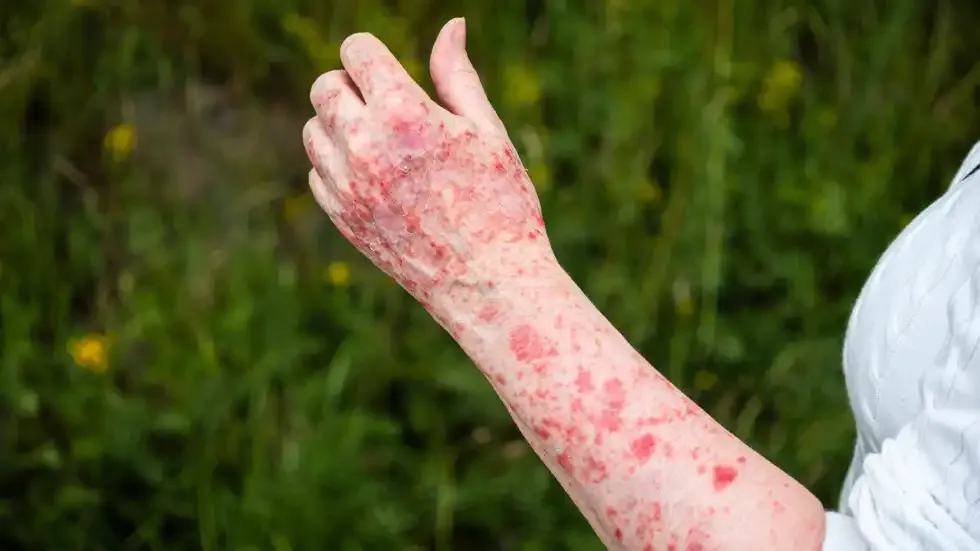
Summer in Clevelandis the perfect time to enjoy the outdoors, whether you’re hiking, spending the day on the water, or cheering on your favorite team at a local park. While soaking up the sunshine can be part of the fun, too much UV exposure can lead to more than just a painful sunburn. In some cases, it can cause sun poisoning, a more severe reaction that may require medical attention.Knowing what to look for can help you get the care from AFC Cleveland you need before symptoms become more serious.
What Is Sun Poisoning?
Sun poisoning isn’t actually a type of poisoning. Instead, it’s a severe inflammatory reaction that occurs after prolonged exposure to ultraviolet (UV) rays. While anyone can develop it, people with fair skin, certain medical conditions, or medications that increase sun sensitivity may be at higher risk.Unlike a typical sunburn, sun poisoning often affects more than just your skin and can leave you feeling sick overall.
Common Signs of Sun Poisoning
Sun poisoning usually develops within a few hours after excessive sun exposure. If you’re experiencing both severe skin irritation and flu-like symptoms after being in the sun, it’s time to take your symptoms seriously.
Symptoms may include:
- Severe redness or painful sunburn
- Swelling of the skin
- Blisters
- Intense pain or tenderness
- Headache
- Fever or chills
- Nausea
- Dizziness or lightheadedness
- Dehydration
Sunburn or Sun Poisoning?
A mild sunburn typically causes redness, tenderness, and peeling that improve over several days with home care. Sun poisoning, however, is often more intense. Large blisters, significant swelling, fever, vomiting, or feeling faint may indicate your body is struggling to recover from excessive UV exposure.
What You Can Do at Home
If your symptoms are mild, these steps may help:
- Move indoors or into the shade immediately.
- Drink plenty of water to stay hydrated.
- Apply cool compresses to the affected skin.
- Take a cool bath or shower.
- Use aloe vera or a gentle moisturizer after cooling the skin.
- Avoid additional sun exposure until your skin has healed.
Avoid popping blisters, as this can increase your risk of infection.
When Should You Visit AFC Cleveland?
Prompt treatment can help relieve discomfort, prevent complications, and support a faster recovery. You should seek medical care if you experience:
- Large or widespread blisters
- Severe swelling or pain
- Fever or chills
- Persistent nausea or vomiting
- Dizziness or fainting
- Signs of dehydration, such as dark urine or extreme thirst
- Symptoms that continue to worsen instead of improve
- The best way to prevent sun poisoning is to protect your skin before heading outside. Apply a broad-spectrum sunscreen with SPF 30 or higher, reapply every two hours, wear lightweight protective clothing, and seek shade during the hottest part of the day whenever possible.
If a day in the sun leaves you feeling worse than expected our AFC providers at AFC Cleveland are here to help. We can evaluate your symptoms, treat dehydration and severe sunburns, and recommend the right treatment plan to help you recover quickly. Don’t let too much sunshine ruin your summer. If you think you may have sun poisoning, visit AFC Cleveland for fast, convenient care so you can get back to enjoying everything the season has to offer.