Summer in Beverly means backyard cookouts, beach gatherings, neighborhood barbecues, and outdoor family dinners. As temperatures rise across the North Shore, grills come out, and outdoor cooking becomes part of everyday life.
While grilling is a favorite summer tradition, it also comes with risks that many people underestimate. Every year, urgent care centers see a sharp increase in grill-related burns, food poisoning, knife injuries, heat-related dehydration during outdoor cooking, and smoke inhalation and flare-up accidents.
Many grill injuries happen in seconds and often occur during routine backyard gatherings when people are distracted, rushing, or handling food improperly. Understanding the most common grill-related injuries, the symptoms to watch for, and when medical attention is necessary can help families stay safe while still enjoying summer.
This guide explains the most common grilling-related injuries in Beverly, how to treat them at home, and when to visit AFC Urgent Care Beverly for professional medical care.
Why Grill-Related Injuries Increase During Summer
Summer brings a combination of risk factors that increase injuries:
-
Open flames
-
Hot metal surfaces
-
Sharp cooking tools
-
Raw meat handling
-
Outdoor heat exposure
-
Alcohol consumption during gatherings
-
Distracted cooking environments
People often become less cautious during social events, increasing the likelihood of accidents. In many cases, injuries happen while cleaning grills, during grease flare-ups, while cutting meat, from undercooked food, or while transporting hot items. Even experienced grillers are not immune to accidents.
Grill Burns: One of the Most Common Summer Injuries
Burn injuries are among the most frequent grilling accidents treated during the summer months.
Common causes of grill burns
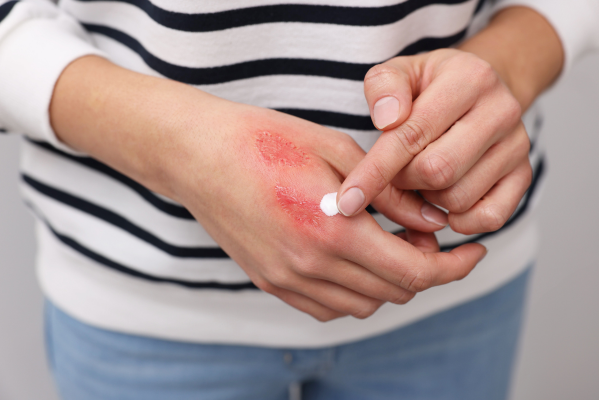
Burns often occur from touching hot grill surfaces, grease flare-ups, steam burns, contact with hot utensils, lighter fluid explosions, and accidental spills from hot trays. Children are especially vulnerable because grills remain hot long after cooking ends.
Understanding burn severity
First-degree burns affect the outer layer of the skin and cause redness, mild swelling, pain, and dryness. Most minor burns can heal at home with proper care.
Second-degree burns go deeper and may cause blisters, severe pain, swelling, and a wet or shiny appearance of the skin. Medical evaluation is often recommended.
Third-degree burns are serious medical emergencies. Symptoms may include white or charred skin, numbness, and deep tissue damage. Emergency care is required immediately.
What to Do Immediately After a Burn
A fast response can reduce tissue damage and discomfort.
Step 1: Cool the burn
Run cool water over the burn for approximately 20 minutes. Do NOT use ice directly; apply butter, use toothpaste, or cover with a thick cream immediately. Ice can worsen tissue damage.
Step 2: Remove tight items
Carefully remove rings, watches, and tight clothing. Swelling may develop quickly.
Step 3: Protect the skin
Use a clean, nonstick covering if necessary. Avoid popping blisters, as this increases the risk of infection.
When to Visit AFC Urgent Care Beverly for a Burn
You should seek medical evaluation if:
-
Blisters develop
-
The burn is larger than a few inches
-
Pain becomes severe
-
The burn involves the face, hands, feet, or groin
-
Signs of infection appear
-
Skin looks white or charred
At AFC Urgent Care Beverly, providers can evaluate burns, clean wounds, help prevent infection, and determine whether additional treatment is necessary.
Food Poisoning During Grill Season
Food poisoning becomes far more common during summer because bacteria multiply rapidly in warm temperatures.
Outdoor events often involve food sitting out too long, improper refrigeration, undercooked meat, cross-contamination, and the use of shared serving utensils. Even a small mistake can lead to serious gastrointestinal illness.
Common food poisoning symptoms
Symptoms may appear within hours or even days after eating contaminated food. Common symptoms include:
-
Nausea
-
Vomiting
-
Diarrhea
-
Fever
-
Stomach cramps
-
Weakness
-
Dehydration
Severity varies depending on the bacteria or virus involved.
Foods most commonly linked to summer food poisoning
Undercooked meats, especially burgers, chicken, and sausages, are common culprits. Mayonnaise-based salads such as potato salad, macaroni salad, and coleslaw spoil quickly in heat. Improperly stored seafood can become dangerous rapidly. Fruits and vegetables can also spread bacteria if not cleaned properly.
Food Safety Tips for Summer Gatherings
Keep cold foods cold.
Perishable foods should not sit outside longer than 1 hour in high heat or 2 hours in mild temperatures.
Cook meats thoroughly
Use a food thermometer whenever possible.
Avoid cross-contamination
Keep raw meat separate from ready-to-eat foods. Use separate cutting boards, plates, and utensils.
Wash your hands frequently.
Outdoor cooking setups often lack easy access to handwashing, increasing the risk of contamination.
When Food Poisoning Requires Medical Attention
Mild food poisoning often improves with rest and hydration, but certain symptoms require evaluation.
Visit urgent care if you experience:
-
Severe dehydration
-
Bloody diarrhea
-
Persistent vomiting
-
Fever
-
Symptoms lasting more than several days
-
Dizziness or fainting
-
Severe abdominal pain
Children and older adults are especially vulnerable to dehydration complications.
Knife Cuts and Kitchen Injuries During Summer Cooking
Knife injuries increase dramatically during grilling season. People often rush food preparation while distracted by guests or outdoor activity.
Common causes include slipping while cutting meat, dull knives, improper cutting technique, alcohol related accidents, and handling seafood or skewers carelessly.
How to handle minor cuts at home
Apply direct pressure using a clean cloth to stop the bleeding. Wash gently with soap and water. Avoid harsh chemicals inside deep wounds. Use a clean bandage and monitor for signs of infection.
Signs a cut may need medical care
Visit urgent care if bleeding does not stop, the cut is deep, fat or tissue is visible, the wound edges separate, numbness develops, movement becomes difficult, or the injury may require stitches. Delaying treatment can increase the risk of infection and worsen scarring.
When Stitches Are Needed
Cuts may require stitches if they are deep, continue bleeding, involve joints or fingers, have uneven edges, or expose underlying tissue. Most stitches should ideally be placed within several hours of injury.
At AFC Urgent Care Beverly, providers can evaluate wounds, determine if stitches are necessary, and provide proper wound care instructions.
Heat and Dehydration During Outdoor Cooking
Many grillers spend hours outdoors in hot weather without realizing they are becoming dehydrated.
Signs of dehydration include:
-
Headache
-
Dizziness
-
Fatigue
-
Dry mouth
-
Muscle cramps
-
Dark urine
Hydration is especially important during long cookouts, sporting events, beach gatherings, and backyard parties.
Protecting Children Around Grills
Children are at high risk for grill-related injuries because grills stay hot after cooking, kids may run near cooking areas, and hot utensils are often left unattended.
Safety tips include creating a child-free grill zone, never leaving grills unattended, keeping hot tools out of reach, and monitoring children closely during gatherings.
Why Prompt Medical Evaluation Matters
Delaying treatment for burns, dehydration, food poisoning, or cuts can increase complications such as infection, dehydration, worsening pain, scarring, and tissue damage. Prompt evaluation helps patients recover faster and avoid unnecessary complications.
Grease Fires and Propane Safety
Two of the most preventable summer grilling emergencies involve grease and propane. Grease fires often start when fat drips onto hot coals or burners and ignites. Never use water on a grease fire, as it can spread the flames. Instead, close the grill lid to cut off oxygen, turn off the burners, and keep a fire extinguisher nearby. If flames spread beyond the grill or threaten structures, call 911 immediately.
Propane safety begins before the first burger goes on. Inspect hoses each season for cracks, check connections with soapy water to look for bubbles indicating a leak, and never store propane tanks indoors. If you smell gas while grilling, turn off the burners and tank valve, move away from the grill, and do not attempt to relight until the smell has fully dissipated.
When to Visit Urgent Care vs the Emergency Room
AFC Urgent Care Beverly can handle most minor to moderate burns, lacerations needing stitches, mild to moderate dehydration, and most cases of food poisoning. Go directly to the emergency room or call 911 for large or deep burns, third-degree burns, severe difficulty breathing, signs of shock, or uncontrolled bleeding that does not slow with firm pressure. When in doubt, calling AFC Urgent Care Beverly ahead of time can help you decide whether walk-in care is appropriate.
Frequently Asked Questions
Should I put ice on a burn?
No. Ice may worsen tissue damage.
How long can food safely sit outside?
Generally, no longer than 2 hours, or 1 hour in high heat.
When should a cut receive stitches?
Deep wounds, uncontrolled bleeding, or cuts with separated edges should be evaluated quickly.
Can food poisoning become serious?
Yes. Severe dehydration and bacterial infections can require medical treatment.
Should I pop a burn blister?
No. Blisters help protect healing skin.
Why Families Choose AFC Urgent Care Beverly
Patients choose AFC because they want fast, convenient care during busy summer months.
Benefits include:
-
Walk-in availability
-
Burn evaluations
-
Food poisoning treatment
-
Stitches and wound care
-
Experienced urgent care providers
-
Convenient Beverly location
Learn more: AFC Urgent Care Beverly
Final Thoughts
Summer grilling is one of the best parts of the season in Beverly, but accidents can happen quickly. Understanding how to respond to burns, food poisoning symptoms, knife cuts, and dehydration can help keep your family safer during outdoor gatherings.
If a summer cooking injury needs medical attention, AFC Urgent Care Beverly is here to provide fast, professional care without the long waits of an emergency room.