As temperatures rise across Beverly and the North Shore, more families begin spending time outdoors. Whether it’s walking local trails, gardening in the backyard, coaching youth sports, or enjoying parks near the coast, outdoor activity also means increased exposure to ticks.
Massachusetts continues to report high numbers of tick-related illnesses each year, especially Lyme disease. Because many tick bites are painless and difficult to notice right away, people often underestimate how important the first 24 hours after a bite can be.
The good news is that not every tick bite causes illness. In fact, many do not. However, understanding what to watch for, how to properly remove a tick, and when symptoms require medical evaluation can significantly reduce complications and anxiety.
This guide explains the tick bite timeline during the first 24 hours, common symptoms to monitor, mistakes to avoid, and when it may be time to visit AFC Urgent Care Beverly for evaluation and treatment. Learn more at AFC Urgent Care Beverly
Why Tick Bites Are So Common in Beverly During Warmer Months
Beverly residents are surrounded by wooded areas, grassy spaces, residential vegetation, and suburban environments where ticks thrive. Deer ticks, also known as blacklegged ticks, are especially common throughout Essex County and the North Shore.
Ticks are typically found in:
-
Tall grass
-
Brush and shrubs
-
Leaf piles
-
Wooded trails
-
Backyard landscaping
-
Coastal or residential vegetation
-
Areas with deer or rodents
Unlike mosquitoes, ticks do not jump or fly. Instead, they wait on vegetation and attach to people or pets as they brush past. Because many people spend more time outside during spring and summer, tick exposure increases dramatically.
The First Hour After Finding a Tick
The moment you discover a tick attached to the skin can feel alarming, especially for parents. However, staying calm and removing the tick correctly is important.
Step 1: Remove the tick properly
Use fine-tipped tweezers and grasp the tick as close to the skin as possible. Pull upward slowly and steadily. Avoid twisting or crushing the tick.
Do NOT:
-
Burn the tick
-
Smother it with petroleum jelly
-
Use nail polish
-
Squeeze the tick’s body
These methods can increase irritation and may raise the chance of disease transmission.
Step 2: Clean the area
Wash the bite site thoroughly with:
-
Soap and water
-
Rubbing alcohol
-
Antiseptic solution
Step 3: Save the tick if possible
Placing the tick in a sealed bag or container can sometimes help identify the species later if symptoms develop.
Understanding Tick Attachment and Disease Risk
One of the biggest misconceptions is that every tick bite immediately causes Lyme disease. In reality, disease transmission often depends on tick species, length of attachment, geographic area, and whether the tick was carrying an infection.
In many cases, Lyme disease transmission becomes more likely when a deer tick has been attached for approximately 36 hours or longer. This is why early discovery matters.
The First 24 Hours: What Symptoms Should You Watch For?
Most people will not develop symptoms immediately after a tick bite. However, the first day is still important for monitoring the skin and overall health.
Mild redness at the bite site
A small irritated bump is common and does not necessarily indicate infection. Normal irritation often appears quickly, stays small, improves gradually, and does not expand dramatically.
Watch for worsening redness.
If redness continues to expand significantly over time, especially over days rather than hours, it warrants evaluation.
Monitor for flu-like symptoms.
While Lyme symptoms usually do not appear immediately, early symptoms can occasionally include:
-
Fatigue
-
Mild fever
-
Headache
-
Muscle aches
-
Chills
If these symptoms appear after known tick exposure, medical evaluation is recommended.
How to Identify a Deer Tick
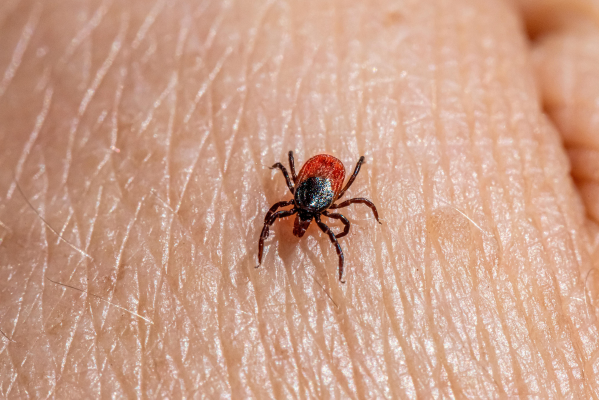
Not all ticks carry Lyme disease. Deer ticks are smaller than many people expect.
Deer tick characteristics:
-
Tiny size, especially in immature stages
-
Dark brown or black coloring
-
Oval body
-
Often compared to a poppy seed
Dog ticks are generally larger and less commonly associated with Lyme disease. Correct identification can help determine next steps.
Common Tick-Related Illnesses in Massachusetts
Lyme disease
The most well-known tick-borne illness in Massachusetts. Possible symptoms include an expanding rash, fever, joint pain, fatigue, and, in some cases, facial drooping.
Anaplasmosis
A bacterial illness spread by deer ticks that can cause fever, chills, muscle aches, and severe headache.
Babesiosis
Affects red blood cells and may cause fever, fatigue, sweats, and weakness.
Because several tick-borne illnesses share symptoms, professional evaluation matters when symptoms appear.
The Bull’s-Eye Rash: Important Facts
Many people expect Lyme disease to always produce a classic bull’s-eye rash. While this rash is common, not every patient develops one.
The Lyme rash usually expands gradually, may feel warm, often appears days after the bite, and can vary in appearance. Any expanding rash after a tick bite should be evaluated.
Should You Take Antibiotics After a Tick Bite?
In certain situations, preventive antibiotics may be appropriate. Healthcare providers consider tick species, attachment time, local Lyme disease rates, and timing of removal. Not everyone needs antibiotics after a tick bite, which is why individualized evaluation is important.
At AFC Urgent Care Beverly, providers can determine whether preventive treatment is appropriate in accordance with current guidelines.
Tick Bites in Children: What Parents Should Know
Children are especially vulnerable because ticks often attach in hard-to-see areas, such as:
-
Hairline
-
Behind ears
-
Armpits
-
Waistbands
-
Behind knees
Parents should perform full-body tick checks after camps, hiking, sports practices, park visits, and backyard play. Most tick bites in children are harmless, but monitoring symptoms carefully is important.
When to Visit AFC Urgent Care Beverly
You should consider urgent care evaluation if:
-
The tick was attached for a long time
-
You develop a fever or flu-like symptoms
-
A rash expands after the bite
-
The bite becomes painful or infected
-
You cannot remove the entire tick
-
You are unsure whether preventive antibiotics are needed
AFC Urgent Care Beverly offers walk-in care for tick bites and related symptoms.
What to Expect During a Tick Bite Evaluation
At AFC Urgent Care Beverly, providers may:
-
Examine the bite site
-
Review the timing of exposure
-
Identify possible tick species
-
Discuss Lyme disease risk
-
Recommend monitoring or treatment
-
Prescribe antibiotics if appropriate
Patients also receive guidance on warning signs and follow-up care.
How to Prevent Tick Bites This Summer
Wear protective clothing
Long sleeves and long pants reduce skin exposure.
Use EPA-approved insect repellents
Products containing DEET or picaridin can help repel ticks.
Perform daily tick checks.
Check the hairline, behind knees, groin area, underarms, and waistbands.
Shower after outdoor activity
Showering within two hours of coming indoors may help remove unattached ticks.
Protect pets
Dogs frequently carry ticks indoors.
Tick Removal Mistakes That Can Make Things Worse
Many home remedies online are outdated or unsafe. Avoid:
-
Burning ticks with matches
-
Twisting aggressively
-
Using essential oils as removal methods
-
Crushing ticks with fingers
Proper removal with tweezers remains the safest method.
Why Early Evaluation Matters
Many tick-borne illnesses respond best to early treatment. Ignoring symptoms or waiting too long can increase the risk of complications such as joint pain, neurological symptoms, severe fatigue, and ongoing inflammation. The sooner symptoms are evaluated, the easier treatment often becomes.
Frequently Asked Questions
How long does a tick need to be attached to spread Lyme disease?
Transmission risk increases after approximately 36 hours, but timing can vary.
Should I get tested immediately after a tick bite?
Immediate testing is not always useful because antibodies may not appear right away.
Can you get Lyme disease without a rash?
Yes. Not all patients develop a visible rash.
Are all ticks dangerous?
No, but proper identification and monitoring are still important.
When should I worry about a tick bite?
If symptoms develop, the rash expands, or the tick was attached for a prolonged period, medical evaluation is recommended.
Why Families Choose AFC Urgent Care Beverly
Patients choose AFC Urgent Care Beverly for fast answers and convenient care.
Benefits include:
-
Walk-in availability
-
Experienced providers
-
Tick bite evaluations
-
Guidance on Lyme disease prevention
-
Convenient local access in Beverly
Learn more or plan your visit: AFC Urgent Care Beverly
Final Thoughts
Tick bites are common in Beverly during spring and summer, but understanding the first 24 hours after a bite can make a major difference. Most bites are manageable, especially when ticks are removed promptly, and symptoms are closely monitored.
If you are unsure whether a bite needs medical attention, develop symptoms afterward, or simply want peace of mind, AFC Urgent Care Beverly is here to help with fast, professional evaluation and treatment.