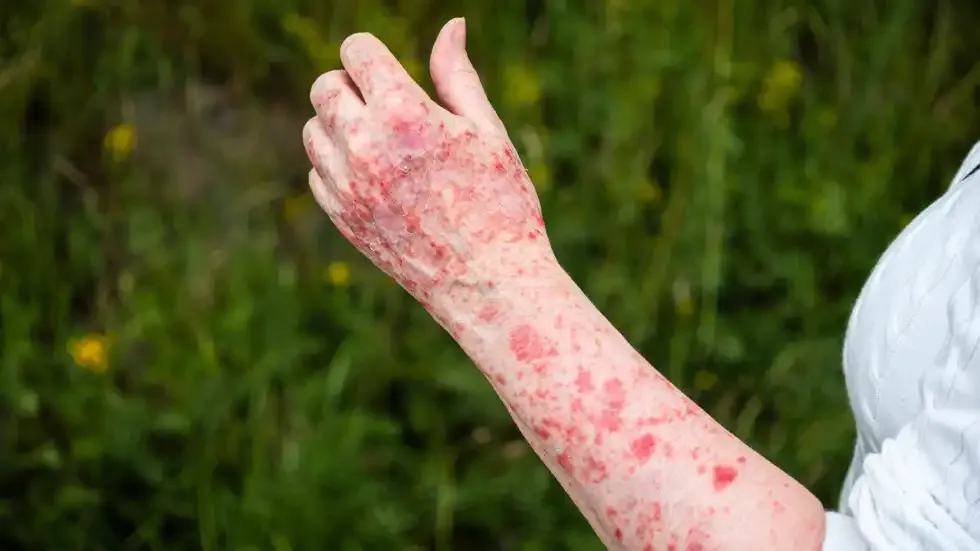
Summer in Southwest Charlotte is the perfect excuse to spend more time outdoors. Whether you're exploring the Little Sugar Creek Greenway, enjoying an afternoon at Freedom Park, or cheering on your favorite team from the sidelines, it's easy to lose track of how much sun you've been getting. While a mild sunburn is uncomfortable enough, too much sun exposure can sometimes lead to something more serious: sun poisoning.
Sun poisoning isn't actually a type of poisoning, it's a severe reaction to prolonged UV exposure. Recognizing the warning signs early can help you avoid complications and get the care you need from AFC Southwest Charlotte before symptoms become more severe.
What Is Sun Poisoning?
Sun poisoning is a severe sunburn that can trigger inflammation throughout the body. In addition to damaging your skin, excessive sun exposure can leave you dehydrated and feeling generally ill.
Anyone can develop sun poisoning, but your risk increases if you:
- Spend several hours in direct sunlight
- Forget to reapply sunscreen
- Have fair or sensitive skin
- Take medications that increase sun sensitivity
- Become dehydrated while outdoors
Signs and Symptoms to Watch For
A typical sunburn usually causes redness and tenderness that improve after a few days. Sun poisoning, however, often comes with more intense symptoms.
Watch for:
- Bright red or blistering skin
- Severe pain or swelling
- Fever or chills
- Headache
- Nausea or vomiting
- Dizziness or lightheadedness
- Fatigue or weakness
- Signs of dehydration, such as a dry mouth or dark urine
If these symptoms develop after spending time in the sun, it's important to take them seriously.
What You Should Do Right Away
If you think you may have sun poisoning:
- Move indoors or into the shade immediately.
- Drink plenty of water to replace lost fluids.
- Apply cool compresses or take a cool bath to help lower your skin temperature.
- Use aloe vera or a gentle moisturizer to soothe irritated skin.
- Avoid additional sun exposure until your skin has fully healed.
It's also important to avoid popping blisters, which can increase your risk of infection.While many sunburns can be managed at home, sun poisoning often requires medical evaluation. Prompt treatment can help relieve symptoms, prevent complications, and support a quicker recovery.
Visit AFC Southwest Charlotte if you experience:
- Large or widespread blisters
- Severe swelling or intense pain
- Fever, chills, or vomiting
- Persistent dizziness or fainting
- Signs of dehydration
- Symptoms that continue to worsen instead of improving
How to Protect Your Skin This Summer
The best way to avoid sun poisoning is to protect your skin before heading outdoors. These small steps can help you enjoy everything summer has to offer while reducing your risk of serious sun-related illness.
A few simple habits can make a big difference:
- Apply a broad-spectrum sunscreen with SPF 30 or higher.
- Reapply sunscreen every two hours and after swimming or sweating.
- Wear lightweight clothing, sunglasses, and a wide-brimmed hat.
- Take breaks in the shade, especially between 10 a.m. and 4 p.m. when UV rays are strongest.
- Stay hydrated throughout the day.
If a day in the sun leaves you feeling worse than a typical sunburn, don't wait for symptoms to become more severe. At AFC Southwest Charlotte, our experienced AFC providers evaluate sun-related illnesses, treat dehydration and severe sunburns, and help you recover safely.
Summer should be spent making memories, not recovering from too much sun. If you're experiencing symptoms of sun poisoning or you're unsure whether your sunburn needs medical attention, visit AFC Southwest Charlotte for fast, convenient care so you can get back to enjoying the season with confidence.