As summer winds down in Camas, families begin shifting gears for another busy school year. Maybe you’ve spent the past few weeks kayaking on Lacamas Lake, exploring the trails at Round Lake, or enjoying concerts and community events in Downtown Camas. Before backpacks are packed and practice schedules take over the family calendar, there’s one important item that deserves a spot on your back-to-school checklist: your child’s sports physical.
Whether your student athlete is trying out for Camas High School, joining a local youth soccer league, gearing up for cross country, or preparing for another season of competition, a sports physical helps make sure they’re ready to participate safely. While many schools and athletic organizations require this exam before athletes can compete, it’s about much more than checking a box on a form.
At AFC Urgent Care Camas, we know that parents have enough on their plates during back-to-school season. That’s why our walk-in clinic offers convenient sports physicals seven days a week, making it easier to fit an appointment into your schedule without waiting weeks for an opening. Our goal is to help your athlete get cleared quickly so they can focus on getting back to the sport they love.
A Sports Physical Is About More Than a Signature
It’s easy to think of a sports physical as another piece of paperwork that has to be completed before the first game. In reality, it’s an opportunity to make sure your child is healthy enough to safely handle the physical demands of practices, games, and tournaments.
Also called a pre-participation physical examination (PPE), a sports physical gives a healthcare provider the chance to review your child’s medical history, evaluate their overall health, and identify any concerns that could affect athletic participation. The exam isn’t designed to keep kids from playing. Instead, it helps make sure they can participate as safely as possible while giving parents peace of mind.
Many young athletes feel perfectly healthy, but some medical conditions or previous injuries aren’t always obvious during everyday activities. A sports physical can uncover concerns that may need additional attention before the season starts, allowing families to address them early instead of after an injury or medical issue develops.
During the visit, your provider may discuss topics such as:
- Previous sprains, fractures, concussions, or other sports injuries
- Asthma, allergies, or other chronic health conditions
- Current medications or inhalers
- Family history of heart conditions or other medical concerns
- Symptoms such as dizziness, chest pain, fainting, or shortness of breath during exercise
Being open about your child’s health history helps your provider offer recommendations that support a safe and successful season. Even an injury that happened several years ago may be worth discussing if it continues to cause discomfort during physical activity.
According to the American Academy of Family Physicians, a pre-participation physical is an important opportunity to identify health concerns, discuss injury prevention, and help athletes safely participate in sports.
What Happens During a Sports Physical?
If this is your child’s first sports physical, you may be wondering what to expect. The good news is that the visit is designed to be simple, thorough, and focused on helping your athlete participate safely.
Most sports physicals take about 20 to 30 minutes, although the exact length can vary depending on your child’s medical history and whether there are any questions that require additional discussion. Our providers take the time to understand each athlete’s health while making the experience comfortable and stress-free.
The visit generally includes two important parts:
- A review of your athlete’s medical history
- A comprehensive physical examination
Together, these two components provide a complete picture of your child’s health and help identify any concerns before the season begins.
Reviewing Your Athlete’s Medical History
The conversation about your child’s health is one of the most valuable parts of the appointment. Before the physical exam begins, your provider will ask questions about previous injuries, current medications, allergies, surgeries, and any symptoms your child may have experienced while exercising.
Parents should encourage their athletes to answer honestly. It’s common for young athletes to brush off recurring soreness or avoid mentioning symptoms because they don’t want anything to interfere with the season. However, discussing these concerns now can help prevent bigger problems later.
Your provider may ask about:
- Previous concussions or head injuries
- Joint pain or recurring muscle injuries
- Episodes of dizziness or fainting during exercise
- Chest pain, heart palpitations, or shortness of breath
- Asthma symptoms or inhaler use
- Family history of heart disease or sudden cardiac events
These questions aren’t meant to keep your child on the sidelines. They’re designed to help ensure every athlete has the support they need to compete safely and confidently.
The Physical Exam: Helping Athletes Start the Season Strong
After reviewing your child’s medical history, your provider will move on to the physical examination. This portion of the visit is designed to evaluate your athlete’s overall health, movement, and physical readiness for sports.
The exam isn’t meant to test athletic ability or determine how well your child plays their sport. Instead, it provides a snapshot of their current health and can identify concerns that may increase the risk of injury or affect athletic performance.
During the exam, your provider will evaluate several important areas, including:
- Height and weight
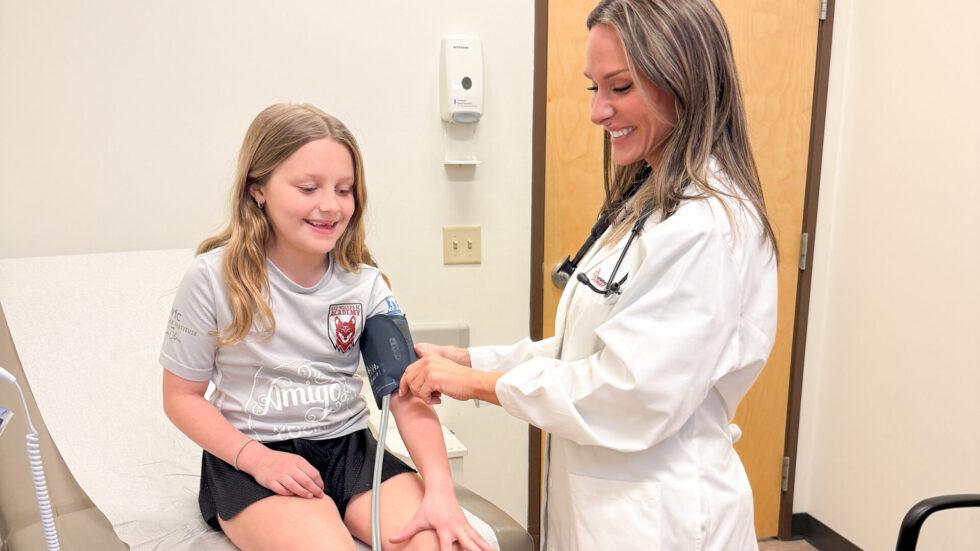
- Blood pressure and heart rate
- Vision
- Heart and lung function
- Muscle strength
- Joint flexibility and range of motion
- Balance and coordination
- Posture and overall movement
If your child has experienced a previous injury, such as a sprained ankle, broken bone, or shoulder injury, your provider may spend additional time evaluating that area. This helps determine whether the injury has healed properly and whether any limitations should be considered before returning to sports.
The appointment is also a great opportunity to ask questions that may not come up during a routine doctor’s visit. Whether you’re wondering about hydration during summer practices, preventing overuse injuries, or helping your athlete recover after games, our providers are happy to offer guidance based on your child’s age, sport, and activity level.
A Little Preparation Can Make Your Visit Even Easier
Sports physicals are typically quick appointments, but arriving prepared can help everything go even more smoothly. Taking a few minutes to gather paperwork and medical information beforehand can save time during your visit and help ensure your athlete leaves with completed forms the same day.
Before heading to AFC Camas, we recommend bringing:
- Any school, league, or sports participation forms that require completion
- A list of current medications, including inhalers or emergency medications
- Information about previous injuries, surgeries, or chronic medical conditions
- Your child’s eyeglasses or contact lenses if they wear them
- Insurance information, if applicable
- A parent or guardian who can answer questions about the athlete’s medical history
It’s also helpful for athletes to wear comfortable clothing that allows for easy movement. Since your provider may assess flexibility, balance, and joint mobility, athletic clothing can make the exam more comfortable.
One simple step many parents overlook is talking with their child before the appointment. Ask if they’ve noticed knee pain after practice, shortness of breath during conditioning, recurring headaches, or soreness that hasn’t completely gone away. Young athletes often assume these issues are “just part of sports,” but mentioning them during the exam gives your provider the opportunity to evaluate whether additional care or recommendations are needed.
Don’t Forget Your Sports Clearance Forms
Nothing is more frustrating than realizing you’re missing an important form after arriving for an appointment. Before your visit, check with your child’s school, athletic program, or recreational league to confirm exactly what paperwork needs to be completed.
Requirements can vary depending on the organization. Some schools use district-specific forms, while club sports and recreational leagues may have their own medical clearance documents. Bringing everything with you helps avoid delays and makes it easier for our providers to complete the necessary paperwork during your visit.
At AFC Camas, we understand how busy families become once school starts. Our goal is to make the sports physical process as convenient as possible so you can spend less time worrying about paperwork and more time cheering from the sidelines.
Frequently Asked Questions About Sports Physicals
How long does a sports physical take?
Most sports physicals are completed in about 20 to 30 minutes. The exact length of your visit can vary depending on your child’s medical history and whether there are any questions or concerns that require additional discussion. Bringing completed paperwork and having your athlete’s medical information ready can help make the appointment even more efficient.
Does my child need a sports physical every year?
Many schools, athletic associations, and youth sports leagues require athletes to complete a new sports physical each year before participating. Because requirements can vary, it’s always a good idea to check with your child’s school or sports organization before the season begins.
Even if your child isn’t required to have an annual sports physical, regular evaluations can be a valuable way to monitor their health as they grow, develop, and become more active in competitive sports.
Are sports physicals only for school sports?
Not at all.
Sports physicals can benefit anyone participating in organized physical activity, including:
- School athletics
- Club sports
- Recreational leagues
- Cheerleading
- Dance teams
- Martial arts
- Gymnastics
- Summer sports camps
No matter what activity your child enjoys, making sure they’re physically prepared before the season begins is an important step toward staying healthy and reducing the risk of preventable injuries.
Get Your Sports Physical at AFC Urgent Care Camas
Before the first whistle blows or the opening tip-off begins, make sure your athlete has the medical clearance they need to compete safely and confidently.