Avoid the ER wait. We have 8 clinics across Portland/Vancouver for faster, more affordable care.
PHONE LINES OPEN AT 7:30AM MONDAY-FRIDAY
Find The Location Nearest Covid-19 Testing
We think you’re located in zip code 97005. Not Right?
Poison Ivy, Oak, and Sumac Treatment Near Me
Beaverton’s extensive parks, greenways, hiking trails, and residential landscapes make it easy for residents to enjoy the outdoors throughout the year. Whether you’re maintaining a backyard garden, exploring local nature areas, walking along regional trails, or working on landscaping projects, spending time outside can occasionally result in contact with plants that cause painful or irritating skin reactions. Throughout western Oregon, poison oak is one of the most common causes of plant-related rashes, but several other species can also lead to itching, redness, blistering, and inflammation.
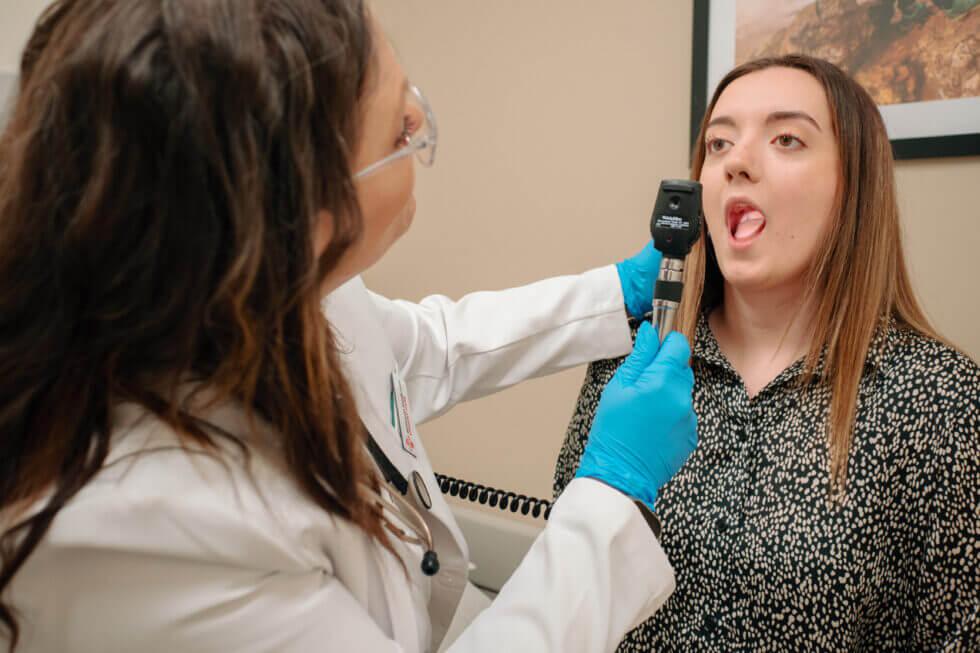
At AFC Urgent Care Beaverton, we provide walk-in evaluation and treatment for poison plant exposure and other skin conditions. Our healthcare providers can diagnose the source of your rash, recommend appropriate treatment, and help relieve symptoms so you can get back to your normal activities as quickly as possible.
How Poison Oak and Similar Plants Cause Skin Irritation
Poison oak, poison ivy, and poison sumac all contain urushiol, a naturally occurring oil that triggers allergic reactions in many individuals. When urushiol contacts the skin, it can activate the body’s immune response, resulting in a rash that often becomes increasingly itchy and inflamed over several days.
One of the reasons poison plant rashes are so common is that urushiol is highly transferable. The oil can remain on clothing, gardening gloves, hiking gear, pet fur, and outdoor equipment long after exposure occurs. This means someone may develop a rash without realizing they touched the plant directly.
The reaction itself is not contagious. While blisters may form as part of the rash, the fluid inside them does not spread the condition. New areas of irritation typically appear because urushiol came into contact with multiple areas of skin or remained on contaminated surfaces that were not cleaned.
Common Plants Around Beaverton That May Trigger Skin Reactions
While poison oak is often the primary concern in the Beaverton area, other plants found throughout Washington County can also cause skin problems.
Stinging nettle is commonly found in damp wooded areas and along waterways. Contact with the plant’s tiny hairs can cause immediate discomfort, including stinging, redness, itching, and raised welts. Wild parsnip, although less common, may produce a painful reaction when plant sap is exposed to sunlight, resulting in blistering and skin discoloration.
Residents may also encounter thorny blackberry bushes, dense brush, invasive weeds, and ornamental plants that can irritate sensitive skin. Cuts and scratches caused by these plants can create openings for bacteria, increasing the risk of secondary infections if wounds are not properly cleaned and monitored.
Because several different plants can cause similar symptoms, professional evaluation may be helpful when the cause of a rash is unclear.
What To Do If You Suspect Poison Plant Exposure
Taking quick action after exposure can help reduce the severity of symptoms. If you believe you have touched poison oak, poison ivy, poison sumac, or another irritating plant, wash the affected skin thoroughly with soap and cool water as soon as possible. This may help remove some of the oil before it becomes fully absorbed.
Clothing, footwear, gloves, gardening tools, and other potentially contaminated items should also be washed carefully. Pet owners should remember that dogs can carry urushiol on their fur after running through brush or wooded areas, creating another potential source of exposure.
Avoid scratching the rash, even when itching becomes severe. Scratching can further irritate the skin, delay healing, and increase the likelihood of infection.
Symptoms of Poison Plant Exposure
Plant-related skin reactions can vary significantly from one person to another. Some individuals experience mild irritation, while others develop more extensive allergic reactions.
Common symptoms include:
- Intense itching
- Red or inflamed skin
- Raised bumps or streak-like rashes
- Fluid-filled blisters
- Swelling around affected areas
- Burning or tenderness
- Dry, peeling skin during recovery
- Discomfort that worsens over several days
In many cases, symptoms continue developing for several days after the initial exposure before reaching their peak.
When to Seek Medical Care for a Poison Plant Rash
While many mild rashes improve with home treatment, there are situations when medical evaluation is recommended. More severe reactions can benefit from prescription medications and professional care.
You should consider visiting AFC Urgent Care Beaverton if you experience a rash affecting the face, eyes, hands, or genital area. Medical attention is also recommended for extensive blistering, significant swelling, severe itching that interferes with sleep, or symptoms of infection such as increasing redness, warmth, drainage, or fever.
Individuals who do not notice improvement after several days of home care may also benefit from professional evaluation and treatment.
Poison Plant Rash Treatment at AFC Urgent Care Beaverton
Our experienced providers treat poison oak, poison ivy, poison sumac, stinging nettle reactions, and other plant-related skin conditions on a walk-in basis. Depending on the severity of your symptoms, treatment may include prescription-strength topical medications, oral corticosteroids, antihistamines, wound care, or treatment for secondary infections.
Every treatment plan is tailored to the patient’s specific condition and symptoms. Our goal is to reduce inflammation, control itching, and promote healthy healing while helping patients avoid complications.
Visit AFC Urgent Care Beaverton for Same-Day Poison Plant Treatment
If you develop a rash after hiking, gardening, landscaping, or spending time outdoors in Beaverton or nearby communities, AFC Urgent Care Beaverton is here to help. We offer convenient walk-in care for poison oak, poison ivy, poison sumac, and other plant-related skin irritations. Visit our clinic today for prompt treatment and relief from itching, blistering, and inflammation so you can get back to enjoying everything the Pacific Northwest has to offer.

Don't wait to get the medical attention you need.
CALL US TODAY | (503) 305-6262