Find The Location Nearest Covid-19 Testing
We think you’re located in zip code 68164. Not Right?
Athlete's Foot Treatment in Omaha, NE
Is Athlete's Foot Contagious and When Should You Get It Treated?
A persistent itchy rash on your feet can quickly become more than just an annoyance. At AFC Omaha we provide prompt evaluation and treatment for athlete's foot, helping patients find relief before the infection spreads or becomes more difficult to treat. Our walk-in urgent care center is open 7 days a week, making it convenient to receive care when you need it most.
Whether you've spent time at the gym, community pool, athletic fields, or simply wear work boots for long hours, athlete's foot can develop in anyone. Our experienced medical providers diagnose fungal skin infections and recommend the most appropriate treatment plan based on the severity of your symptoms, helping you return to your normal routine as quickly as possible.
Visit AFC Omaha, NE today.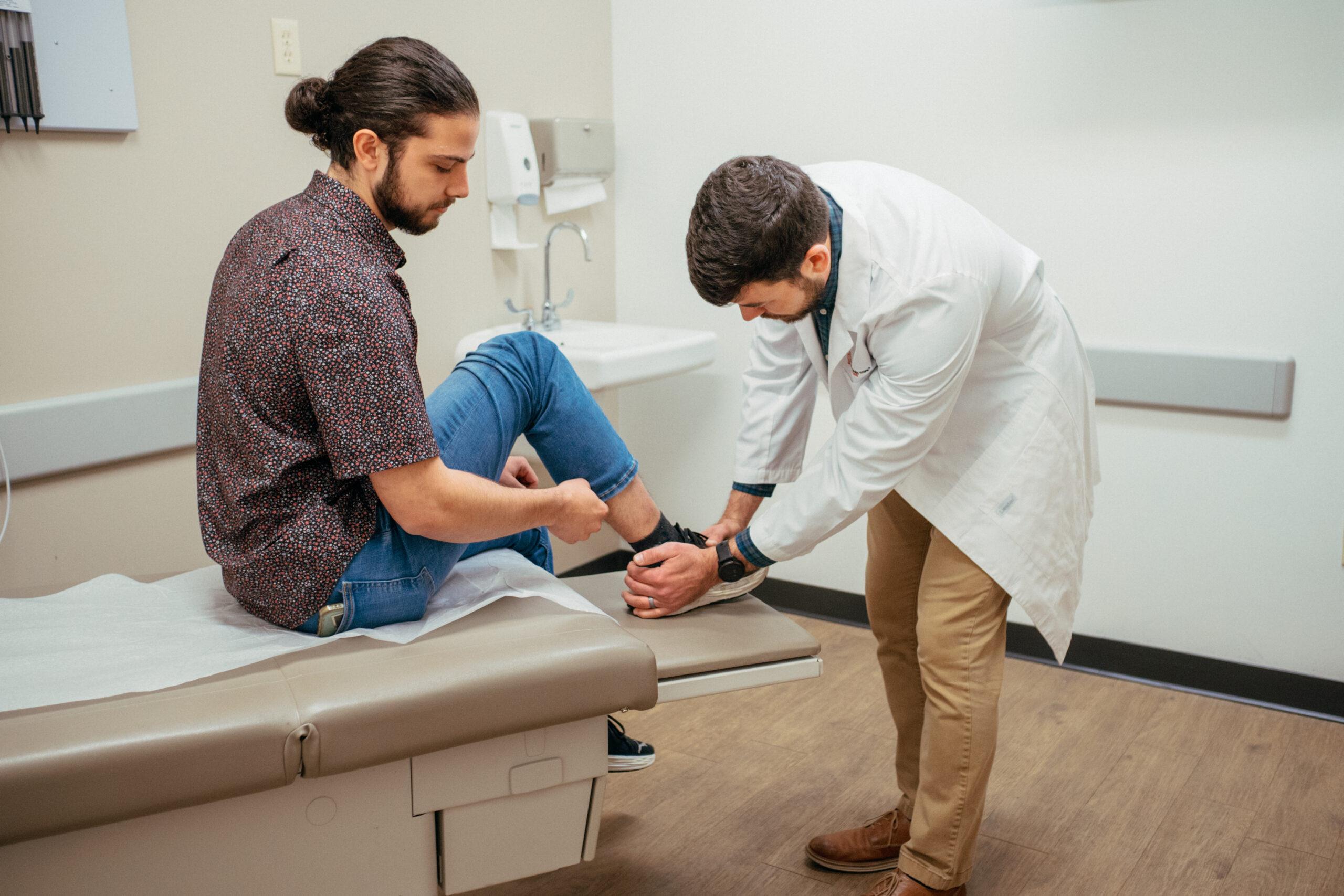
What is Athlete's Foot?
Athlete's foot, medically known as tinea pedis, is a common fungal skin infection that typically develops between the toes but can also affect the soles, sides, and heels of the feet. The infection is caused by fungi that thrive in warm, damp environments, making sweaty shoes, locker rooms, public showers, and pool decks ideal places for exposure. Although the condition is commonly associated with athletes, anyone can develop athlete's foot regardless of age or activity level.
The infection often begins with mild irritation but can worsen if left untreated. Because athlete's foot is contagious, it can spread to other areas of your body, such as the hands or groin, or to other people through shared surfaces, towels, shoes, or socks. Early diagnosis and treatment can help relieve symptoms, reduce the risk of spreading the infection, and prevent complications.
When Should You Get Athlete's Foot Treatment?
While some mild fungal infections may respond to over-the-counter antifungal medications, professional evaluation is recommended if symptoms persist, worsen, frequently return, or if you're unsure whether you're dealing with athlete's foot or another skin condition. Several common foot conditions including eczema, psoriasis, contact dermatitis, and bacterial skin infections can appear similar but require different treatments.
You should seek medical attention if you experience any of the following:
Persistent Itching, Burning, or Stinging
One of the earliest signs of athlete's foot is persistent itching between the toes or on the soles of the feet. Many patients also notice a burning or stinging sensation, particularly after removing shoes and socks. If these symptoms continue despite home treatment, it's time to be evaluated by a medical provider.
Peeling, Cracked, or Scaling Skin
Athlete's foot frequently causes dry, flaky, or peeling skin that may crack between the toes or along the bottom of the foot. These cracks can become painful and increase the risk of developing a secondary bacterial infection if not properly treated.
Blisters, Redness, or Spreading Rash
Some cases develop fluid-filled blisters, swelling, or redness that gradually spreads across the foot. If the rash continues to expand, becomes increasingly painful, or shows signs of infection such as drainage, fever, or significant swelling, prompt medical evaluation is important. Individuals with diabetes or weakened immune systems should seek treatment as soon as symptoms develop.
What Happens During Athlete's Foot Treatment?
Your visit begins with a thorough physical examination of the affected skin by one of our experienced medical providers. In many cases, athlete's foot can be diagnosed through a physical examination alone. If another condition is suspected or symptoms are unusually severe, additional evaluation may be recommended to confirm the diagnosis and determine the most effective treatment.
Treatment depends on the severity of the infection. Mild cases are often managed with topical antifungal creams, sprays, or powders, while more persistent or widespread infections may require prescription-strength topical medications or oral antifungal medication. Your provider will also discuss proper foot hygiene, ways to keep your feet clean and dry, and strategies to reduce the risk of reinfection, such as wearing moisture-wicking socks, rotating footwear, and avoiding barefoot exposure in public locker rooms or pool areas.
Athlete's Foot Treatment Near You
When you need fast, reliable athlete's foot treatment in Omaha, NE, AFC Omaha is here to help. Our walk-in urgent care clinic provides convenient care for patients experiencing fungal skin infections without the long wait for a specialist appointment. Whether your symptoms started after working out, spending time at a local pool, or simply wearing closed-toe shoes for extended periods, our medical team can evaluate your condition and recommend an effective treatment plan.
Athlete's foot is highly contagious and often worsens when left untreated. Receiving prompt care can help relieve uncomfortable symptoms, reduce the risk of spreading the infection to other areas of your body or to family members, and help prevent recurring infections. At AFC Omaha, we make it easy to receive same-day care with extended evening and weekend hours designed to fit your busy schedule.
If you need athlete's foot treatment in Omaha, visit AFC Omaha today. We are open 7 days a week and offer walk-in availability for urgent medical needs.
Frequently Asked Questions
Can athlete's foot go away on its own?
In some mild cases, athlete's foot symptoms may temporarily improve, but the fungal infection often remains and can continue to spread or return. Without appropriate treatment, the infection may become more severe, affect the toenails, or lead to cracks in the skin that increase the risk of bacterial infection. Seeking medical evaluation early can help shorten recovery time and reduce the likelihood of recurrence.
How can I prevent athlete's foot from coming back?
Good foot hygiene is one of the most effective ways to prevent future fungal infections. Wash your feet daily, dry thoroughly between your toes, change socks whenever they become damp, wear breathable footwear, rotate shoes so they have time to dry completely, and wear sandals or shower shoes in public locker rooms, pools, and community showers. Avoid sharing shoes, socks, or towels, as the fungus can survive on these items and spread to others.
AFC Omaha, NE
4004 N 132nd St #101
Omaha, NE 68164
 How Can We Help?
- PATIENT SERVICES
- COVID-19 SERVICES
- TELECARE
- EMPLOYER RESOURCES
- PATIENT RESOURCES
- ABOUT US

Don't wait to get the medical attention you need.
CALL US TODAY | (402) 302-2273