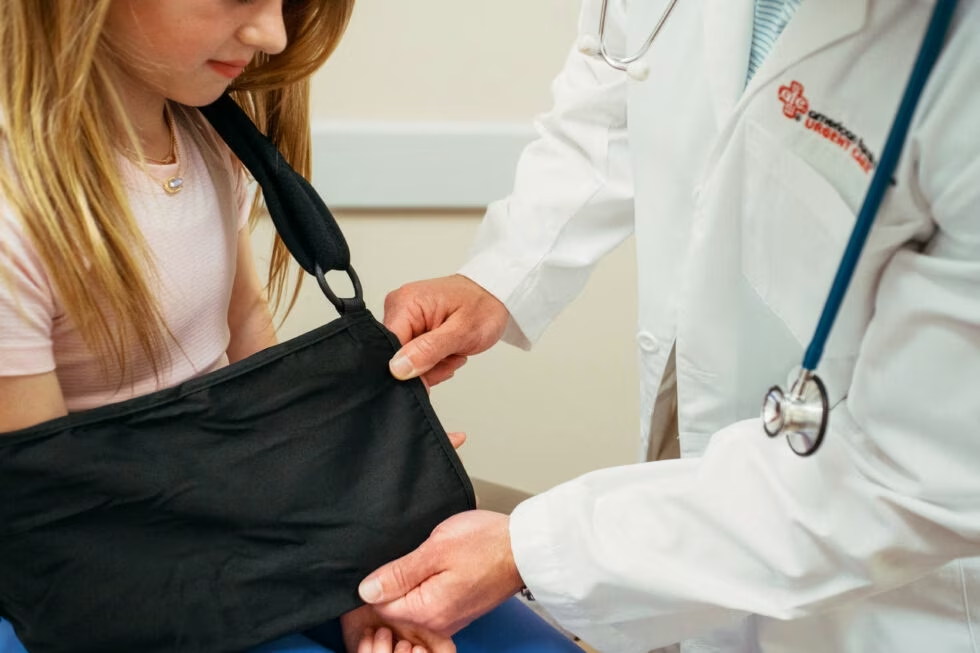
In a fast-paced area like South Broadway, where daily life often includes commuting, shopping, and spending time outdoors near Washington Park, accidents can happen when you least expect them. Whether it’s a kitchen cut, a fall during a walk, or a sudden choking incident, knowing how to respond with basic first aid can make a critical difference before medical care is available.
Guidance from trusted organizations like the American Red Cross highlights the importance of taking immediate action in those first few moments after an injury. Quick, informed care can help stabilize a situation, reduce complications, and improve recovery outcomes.
At AFC Urgent Care, we specialize in treating non-life-threatening injuries quickly and efficiently, but what you do before you arrive plays an important role, too. Understanding essential first aid techniques can help you stay calm, act confidently, and better protect your health or the health of someone around you.
Visit AFC Urgent Care Broadway today!
Why First Aid Knowledge Is Important
First aid is not just about reacting it’s about being prepared and knowing how to respond under pressure. In any emergency, your goals should be to:
- Preserve life by ensuring breathing and circulation
- Prevent the injury from worsening through immediate care
- Promote recovery by stabilizing the situation until help is available
Even simple steps like applying steady pressure to stop bleeding or recognizing early signs of shock can make a meaningful difference in the outcome. Staying calm and acting quickly helps create a safer environment for everyone involved.
First Aid Essentials Before You Seek Care
Protect Yourself First
Before assisting someone else, take a moment to protect your own health and safety. Use gloves, gauze, or a clean cloth as a barrier when dealing with blood or bodily fluids. If gloves are not available, layering fabric can still provide protection.
Wash or sanitize your hands whenever possible, both before and after providing care. Avoiding direct contact with bodily fluids reduces the risk of contamination and ensures you can continue helping safely. Once you’ve confirmed the scene is safe, you can begin assisting with confidence.
Bleeding & Wound Care
Bleeding injuries are one of the most common situations where first aid is needed. Start by applying firm, direct pressure to the wound using a clean cloth or bandage. Maintaining consistent pressure helps slow or stop blood flow.
If possible, elevate the injured area above heart level to further reduce bleeding. Once the bleeding begins to slow, gently clean the wound with water and cover it with a sterile dressing to protect against infection.
Seek urgent care if:
- Bleeding continues after about 10 minutes of steady pressure
- The wound is deep, wide, or caused by a sharp or dirty object
- Signs of infection appear, such as redness, swelling, warmth, or drainage
Minor Cuts & Scrapes
Minor cuts and scrapes may seem small, but proper care is still essential to prevent infection. Begin by washing your hands thoroughly, then rinse the wound under clean, running water.
Remove any debris carefully with sanitized tweezers if needed and avoid using harsh substances directly in the wound. Once clean, apply a bandage to keep the area protected.
Changing the dressing at least once a day or whenever it becomes wet or dirty helps maintain a clean healing environment and reduces the risk of complications.
Choking Emergencies
Choking can become life-threatening within seconds, so recognizing the signs and acting quickly is critical. If someone is unable to speak, cough, or breathe, immediate intervention is necessary.
Stand behind the person and place your fist just above their navel. With your other hand, grasp your fist and deliver quick, upward thrusts. Continue until the object is dislodged, or emergency help arrives.
Remaining calm and acting quickly can make all the difference in restoring airflow.
Recognizing Shock
Shock is a serious condition that can develop after trauma, injury, or significant blood loss. It occurs when the body is not getting enough blood flow to vital organs and requires immediate attention.
Common signs include:
- Pale, cool, or clammy skin
- Rapid breathing or pulse
- Confusion, dizziness, or weakness
If you suspect shock, lay the person flat on their back and elevate their legs slightly, if no injuries prevent this. Keep them warm with a blanket and reassure them while waiting for emergency assistance.
Burn Care
Burns should be treated carefully to prevent further tissue damage. For minor burns, place the affected area under lukewarm running water for several minutes to help cool the skin and reduce pain.
After cooling, cover the burn with a clean, non-stick bandage. Avoid applying ice, butter, or other home remedies, as these can worsen the injury.
Burns that are large, blistering, or deep should always be evaluated by a medical professional as soon as possible.
Sprains & Possible Fractures
Sprains and fractures are common injuries, especially during physical activity. The R.I.C.E. method is often effective for managing mild injuries:
- Rest the injured area
- Ice to reduce swelling
- Compression with a wrap or bandage
- Elevation to minimize inflammation
However, if there is severe pain, swelling, bruising, or visible deformity, the injury may be more serious. In these cases, professional evaluation and imaging may be necessary.
If your symptoms worsen or you notice new or concerning changes, visit AFC Urgent Care Broadway walk in or book online for prompt care.
Life-Threatening Situations to Recognize
While many injuries can be managed with first aid or urgent care, some situations require immediate emergency services.
Call 911 Immediately If You Notice:
- Chest pain or pressure that may indicate a heart attack
- Stroke symptoms (face drooping, arm weakness, speech difficulty)
- Severe allergic reactions with swelling or trouble breathing
- Unconsciousness or lack of breathing
Recognizing these warning signs early and acting quickly can save lives.
CPR Basics
If someone is unconscious and not breathing, begin CPR immediately.
- Perform chest compressions at a rate of 100–120 per minute
- Push hard and fast in the center of the chest
- Allow the chest to fully rise between compressions
Continue CPR until emergency responders arrive. If you are trained, you may include rescue breaths, but hands-only CPR is highly effective and recommended for most situations. The American Red Cross’ website has even more useful information about performing CPR if you would like to read further and stay on top of best practice and the newest information regarding CPR.
When to Visit Urgent Care
First aid is an important first step, but many conditions still require professional medical evaluation.
Visit AFC Urgent Care Broadway for:
- Cuts that may require stitches
- Minor fractures or sprains
- Burns that need medical attention
- Signs of infection
- Mild to moderate allergic reactions
- Dehydration or heat-related symptoms
We offer fast, convenient care without the long wait times typically associated with emergency rooms.
Be Prepared with a First Aid Kit
Having a well-stocked first aid kit can help you respond quickly and effectively in emergencies.
Include items such as:
- Adhesive bandages and sterile gauze
- Antiseptic wipes
- Tweezers and scissors
- Disposable gloves
- Thermometer
- Medical tape
Keeping a kit at home, in your car, or at work ensures you’re always prepared.
Final Thoughts
Accidents and injuries are a part of everyday life, but being prepared with first aid knowledge can help you respond calmly and effectively when they occur. Taking the right steps early like controlling bleeding, recognizing signs of shock, or assisting someone who is choking can help stabilize a situation and provide valuable time until medical care is available. Just as important, however, is knowing when an injury requires professional evaluation to prevent complications and support proper healing.
At AFC Urgent Care Broadway, we’re here to provide that next level of care when you need it. Our team is dedicated to delivering fast, efficient treatment in a welcoming environment, so you don’t have to navigate injuries or illnesses alone. Whether it’s a minor concern or something that needs more attention, we’re here to help you and your family stay safe, healthy, and confident in your care.