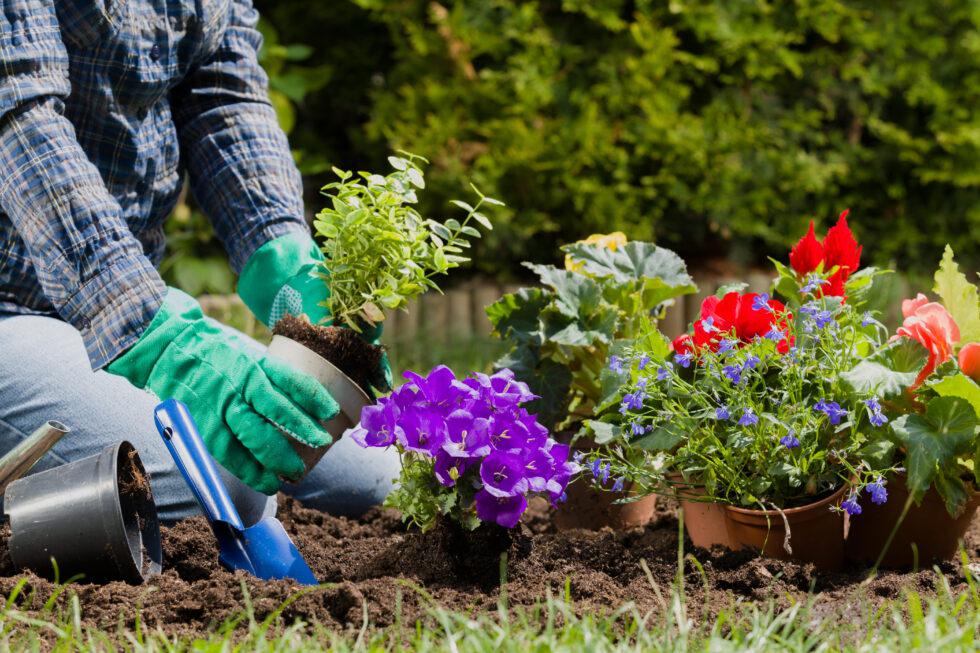
Spring in Austin has a way of pulling everyone outdoors. Sunshine, blooming plants, and those warm Texas afternoons make it the perfect season to refresh flower beds with new plants from the Natural Gardener, tackle yard projects, and finally give your garden the attention it deserves. Whether you’re planting herbs, pulling weeds, or transforming your backyard into your own personal oasis, gardening can be one of the most rewarding ways to spend a day.
But here’s the truth many people discover halfway through hauling mulch or crouching over flower beds: gardening is real work. It may feel relaxing, but it can be surprisingly demanding on your body. Between repetitive motions, lifting heavy supplies, sun exposure, and contact with soil or plants, it’s easy to end the day with more than just dirty hands.
The good news? A little preparation can go a long way. With the right habits, you can enjoy the season, protect your health, and avoid the aches, rashes, and setbacks that can turn a fun weekend project into an urgent care visit.
Visit AFC Urgent Care SW Austin today!
Why Gardening Injuries Happen So Often
Gardening has a sneaky way of feeling easier than it is. You’re outside, moving around, listening to birds chirp, maybe feeling productive and even peaceful. But physically, your body sees something else entirely.
Repeated bending, kneeling, twisting, reaching, and lifting can strain muscles and joints, especially if you haven’t been very active through the winter months. Hours can pass quickly when you’re focused on a project, which means people often push past fatigue without realizing it.
On top of that, outdoor environments bring their own hazards. Sharp tools, thorny plants, insects, pollen, sun exposure, and bacteria in the soil can all create problems if you’re not careful.
Preventing Strains and Overuse Injuries
One of the most common gardening complaints is soreness in the back, shoulders, knees, and wrists. The best way to avoid it is to treat gardening the same way you would any workout.
Before you begin, spend a few minutes stretching your legs, shoulders, lower back, and arms. Warming up helps loosen stiff muscles and prepares your body for movement.
As you work, focus on posture and technique. Bend your knees when lifting bags of soil or pots and let your legs do the heavy work instead of your back. Keep loads close to your body and avoid twisting while carrying weight.
It also helps to rotate tasks throughout the day. Spend some time pruning, then switch to planting, then maybe take a break to water. Changing movements every 15 to 20 minutes can reduce overuse injuries and help prevent fatigue.
If your body starts sending warning signs like tightness, soreness, or sharp pain, listen to it. Taking a short break is smarter than spending the next week recovering.
Long-handled tools, kneeling pads, rolling garden seats, and padded grips can also make a big difference in comfort.
Protecting Your Skin from Rashes and Irritation
Your garden may look harmless, but your skin might disagree.
Plants, fertilizers, mulch, bug bites, and certain weeds can all trigger irritation or allergic reactions. Even brushing against the wrong plant can leave you itchy for days.
Wearing gloves is one of the easiest ways to protect your hands. Long sleeves, long pants, and closed-toe shoes add another layer of defense against scratches, insects, and unexpected plant reactions.
And don’t underestimate the Texas sun. Even cloudy spring days in Austin can bring strong UV exposure. Apply sunscreen before you head outside and reapply if you’re gardening for more than a couple of hours. A wide-brimmed hat and sunglasses are smart additions too.
Reducing the Risk of Cuts and Infections
Minor cuts and scrapes happen all the time when working with branches, tools, fencing, or rough materials. They may seem small, but bacteria from soil can lead to infection if wounds aren’t cleaned properly.
Keep a simple first aid kit nearby with bandages, antiseptic wipes, and antibiotic ointment. If you get cut, wash the area thoroughly and cover it before continuing your work.
Make handwashing part of your gardening routine too, especially before eating, drinking, or touching your face.
It’s also wise to stay current on your tetanus vaccination, since tetanus-causing bacteria can live in soil and enter through broken skin.
Using Garden Tools Safely
Garden tools should make jobs easier, not more dangerous.
Before starting, inspect your equipment. Loose handles, rusted blades, dull shears, or damaged cords can quickly lead to accidents. Sharp, clean tools actually require less force and are safer to use. If you notice significant wear and tear on your gardening tools, a trip to the Great Outdoors to replace these items may be in order.
If you’re using power tools like trimmers, leaf blowers, or mowers, wear eye protection and sturdy shoes. Ear protection is a smart idea too, especially for longer jobs.
Using a ladder? Place it on level ground, keep three points of contact, and never lean too far to one side. Repositioning the ladder takes less time than recovering from a fall.
Staying Safe in the Austin Heat
This is where Texas gardening plays by its own rules.
Even during spring, Austin temperatures can climb fast, especially in the afternoon. Add humidity, direct sun, and physical exertion, and dehydration can sneak up quickly.
Drink water before you feel thirsty, not after. Keep a bottle nearby and sip regularly throughout the day. If you’re sweating heavily or working for several hours, electrolyte drinks can also help replace what you lose.
Try to schedule demanding tasks in the morning or early evening when temperatures are lower. Midday sun can be intense, even in April and early May.
Wear lightweight, breathable clothing in light colors. Take breaks in the shade or indoors and use fans if available.
Watch for warning signs of heat-related illness, including:
- Headache
- Dizziness
- Nausea
- Muscle cramps
- Excessive sweating
- Rapid heartbeat
- Weakness or confusion
If symptoms begin, stop working immediately, move to a cool area, and hydrate. If symptoms continue or worsen, visit AFC Urgent Care SW Austin for prompt evaluation and treatment.
Enjoy Gardening Without the Setbacks
Gardening should leave you with a sense of accomplishment, not a strained back or heat exhaustion.
By using smart body mechanics, protecting your skin, staying hydrated, and taking breaks when needed, you can enjoy everything Austin’s growing season has to offer while avoiding common injuries.
And if something does go wrong, whether it’s a sprain, rash, infection, dehydration, or persistent pain, AFC Urgent Care SW Austin is here to help with fast, convenient care.
Walk in or book online today, then get back to enjoying the sunshine, fresh air, and the satisfaction of a thriving garden.