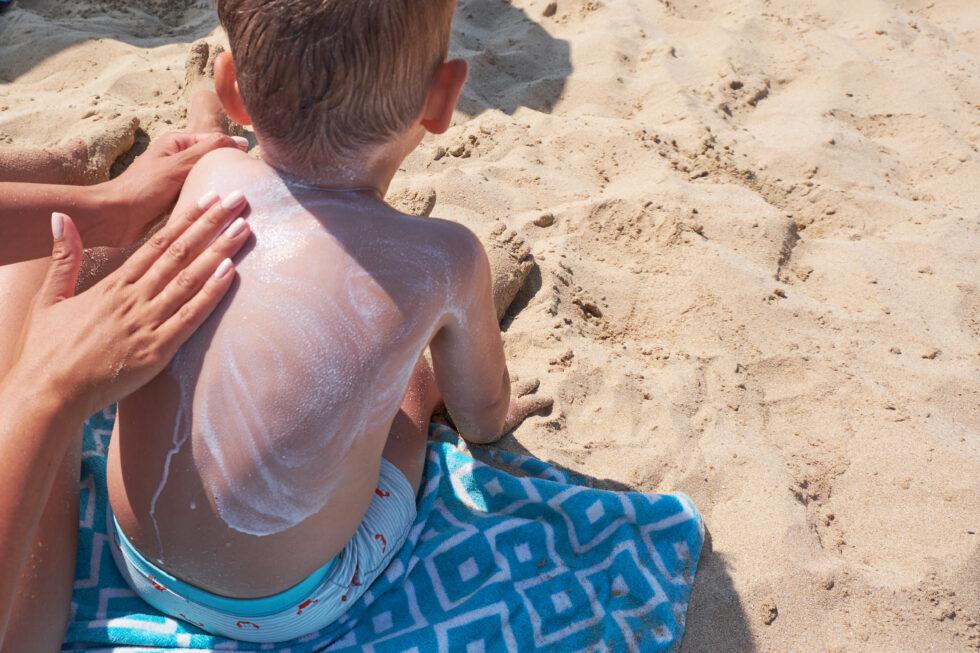
Summer in North Austin was practically made for being outdoors. Between afternoons spent at Volente Beach Resort, weekends cheering on local summer sports, paddleboarding on Lake Travis, and family outings around Austin’s seasonal events, there’s no shortage of ways to enjoy the sunshine.
North Austin regularly experiences stretches of high temperatures, intense UV exposure, and humidity that can make even short periods outside feel exhausting. That combination can increase your risk for both sunburn and heat-related illnesses and surprisingly, the two often go hand in hand.
Many people think of sunburn as an inconvenience that leads to a few uncomfortable days of peeling skin. In reality, severe sunburn can contribute to dehydration, increase heat sensitivity, and make your body work harder to stay cool.
If summer fun has left you feeling overheated, dehydrated, dizzy, or dealing with painful sunburn symptoms, AFC Urgent Care North Austin is here to help. Our walk-in urgent care clinic provides convenient same-day care with no appointment necessary, although online check-in is encouraged to help decrease wait times.
Visit AFC North Austin, TX today.
Why Sunburn and Heat Illnesses Often Happen Together
Your skin does more than protect you from the outside world; it also helps regulate body temperature.
When your skin becomes sunburned, it becomes inflamed and loses moisture more rapidly. That means your body has to work harder to cool itself through sweating and circulation. Add prolonged sun exposure, dehydration, or physical activity, and your risk for heat-related illness can increase.
Heat-related illness exists on a spectrum. Mild dehydration and heat cramps may improve quickly with rest and hydration, while more serious conditions such as heat exhaustion and heat stroke require prompt attention.
Families are especially vulnerable during Texas summers because children often stay active longer than adults realize, and older adults may not notice dehydration until symptoms become more severe.
What Is Heat Exhaustion?
Heat exhaustion happens when your body loses too much water and electrolytes through sweating and begins struggling to regulate temperature.
In North Austin, this commonly affects:
- Youth athletes and summer camp participants
- Parents attending outdoor tournaments
- Construction and outdoor workers
- Weekend lake visitors
- Runners and cyclists
- Families spending long afternoons outdoors
Heat exhaustion usually develops gradually and often begins with symptoms that are easy to dismiss.
Common Symptoms of Heat Exhaustion
Watch for signs including:
- Heavy sweating
- Cool or clammy skin
- Dizziness or lightheadedness
- Headaches
- Nausea
- Muscle cramps
- Fatigue
- Excessive thirst
- Rapid pulse
- Weakness
- Fainting
Most cases improve with cooling, hydration, and rest; but symptoms should never be ignored.
What Is Heat Stroke?
Heat stroke is the most severe form of heat-related illness and should always be treated as a medical emergency.
Heat stroke occurs when the body’s cooling system can no longer regulate internal temperature, and core temperature rises to 104°F or higher.
Unlike heat exhaustion, heat stroke can quickly lead to serious complications affecting the brain, heart, kidneys, and other organs.
Common Symptoms of Heat Stroke
Seek emergency medical attention immediately if someone develops:
- Hot, flushed skin
- Confusion
- Slurred speech
- Severe headache
- Loss of coordination
- Seizures
- Loss of consciousness
- Rapid heartbeat
- Body temperature of 104°F or higher
Recognizing the difference between heat exhaustion and heat stroke is critical because heat stroke requires immediate emergency care. If you suspect someone is experiencing heat stroke, call 911 immediately.
How to Tell Whether It’s Sunburn, Heat Exhaustion, or Both
One of the tricky things about summer illnesses is that symptoms overlap.
Sunburn can leave you feeling tired, dehydrated, chilled, overheated, or nauseated symptoms that can resemble heat exhaustion.
A good rule of thumb:
- Sunburn – primarily affects the skin.
- Heat exhaustion – affects temperature regulation and hydration.
- Heat stroke – affects the body’s critical systems and becomes an emergency.
If symptoms extend beyond skin redness and discomfort, especially dizziness, weakness, headaches, nausea, or confusion, it may be time to seek medical evaluation. Walk in or book online with AFC North Austin for quick evaluation and relief.
How to Treat a Sunburn and When to Visit Urgent Care
Most mild sunburns improve with supportive care at home.
Helpful relief strategies include:
- Take cool, not cold, showers
- Apply fragrance-free moisturizer or aloe vera
- Use moisturizer containing Vitamins C and E if tolerated
- Drink extra water to replace fluid loss
- Wear loose clothing
- Stay completely out of the sun until healing occurs
Over-the-counter anti-inflammatory medication may also help reduce discomfort and inflammation.
However, some sunburns require medical evaluation.
Visit urgent care if your sunburn includes:
- Large blisters
- Severe swelling
- Peeling with exposed skin
- Fever
- Chills
- Dehydration symptoms
- Persistent pain
- Signs of infection
Sunburn affecting joints or areas with frequent movement can sometimes become more difficult to heal comfortably.
Family-Friendly Tips to Prevent Sunburn and Heat Illness This Summer
The best summer memories usually involve sunshine, family photos, and maybe a little ice cream not spending the rest of the weekend recovering indoors with sunburned shoulders and dehydration headaches. Fortunately, preventing sunburn and heat-related illness doesn’t mean skipping summer fun. A few simple habits can make a big difference and help keep everyone comfortable, from toddlers to grandparents.
Before heading out for a day at the lake, sports practice, splash pad, or neighborhood event, build in a quick “sun safety check” just like you would for snacks or packing towels.
Helpful ways to stay safer in the Texas heat include:
- Apply SPF 30–50 sunscreen before going outside and reapply every two hours.
- Reapply sunscreen immediately after swimming, sweating, or water play.
- Bring extra water for everyone even if you think you packed enough.
- Dress in lightweight, breathable clothing and consider hats with good sun coverage.
- Schedule outdoor activities earlier in the morning or later in the evening when temperatures are lower.
- Build in shaded or indoor cooling breaks throughout the day.
- Pack electrolyte drinks for longer outings, sports tournaments, or especially hot days.
- Keep easy snacks available since hydration and nutrition work together.
- Never leave children or pets in parked vehicles even briefly.
- Listen when kids say they’re tired, dizzy, unusually quiet, or “don’t feel good.”
One easy family rule: if someone starts getting cranky, flushed, unusually tired, or stops wanting to play, it may be time for a water break and a cooldown session.
And remember even cloudy days in Texas can bring enough UV exposure to cause sunburn, so sunscreen and hydration should stay on the packing list all summer long.
Enjoy Summer in North Austin, Safely
Whether your plans include cooling off at a local beach resort, catching summer games with Austin FC, or spending weekends exploring local lakes and watering holes, a little preparation can help your family enjoy every minute safely.
Sunburn and heat-related illnesses are common during Texas summers, but they’re also highly preventable when you know what to watch for.
If you develop symptoms of heat exhaustion, dehydration, severe sunburn, dizziness, or fatigue after time outdoors, AFC Urgent Care North Austin is here to help with fast, convenient care seven days a week.