Find The Location Nearest Covid-19 Testing
We think you’re located in zip code 80027. Not Right?
Strained, Sprained, or Fractured? Injury Treatment in Louisville
Do you know the difference between strains, sprains, and fractures? Accidents can happen anywhere, whether you're exercising, playing sports, or simply going about your day. When you suffer from a strain, sprain or fracture, each leaves you with pain, swelling, or limited mobility, making it difficult to understand whether you strained a muscle, sprained a ligament, or fractured a bone and have serious it may be. It's important to note that ignoring an injury because the pain seems manageable can cause additional damage and prolong recovery.
Although these injuries affect different tissues, their symptoms often overlap. A proper medical evaluation at AFC Urgent Care Louisville is the most reliable way to identify the problem and determine the right treatment. Our medical team ensures you receive prompt evaluation for common injuries without waiting for a routine doctor's appointment.
AFC Urgent Care Louisville is located at E. South Boulder Rd. in Louisville, CO, and welcomes walk-in patients without an appointment. The clinic is open seven days a week, including evenings Monday through Friday, making it easier to seek care when an unexpected injury occurs.
Pre-Register now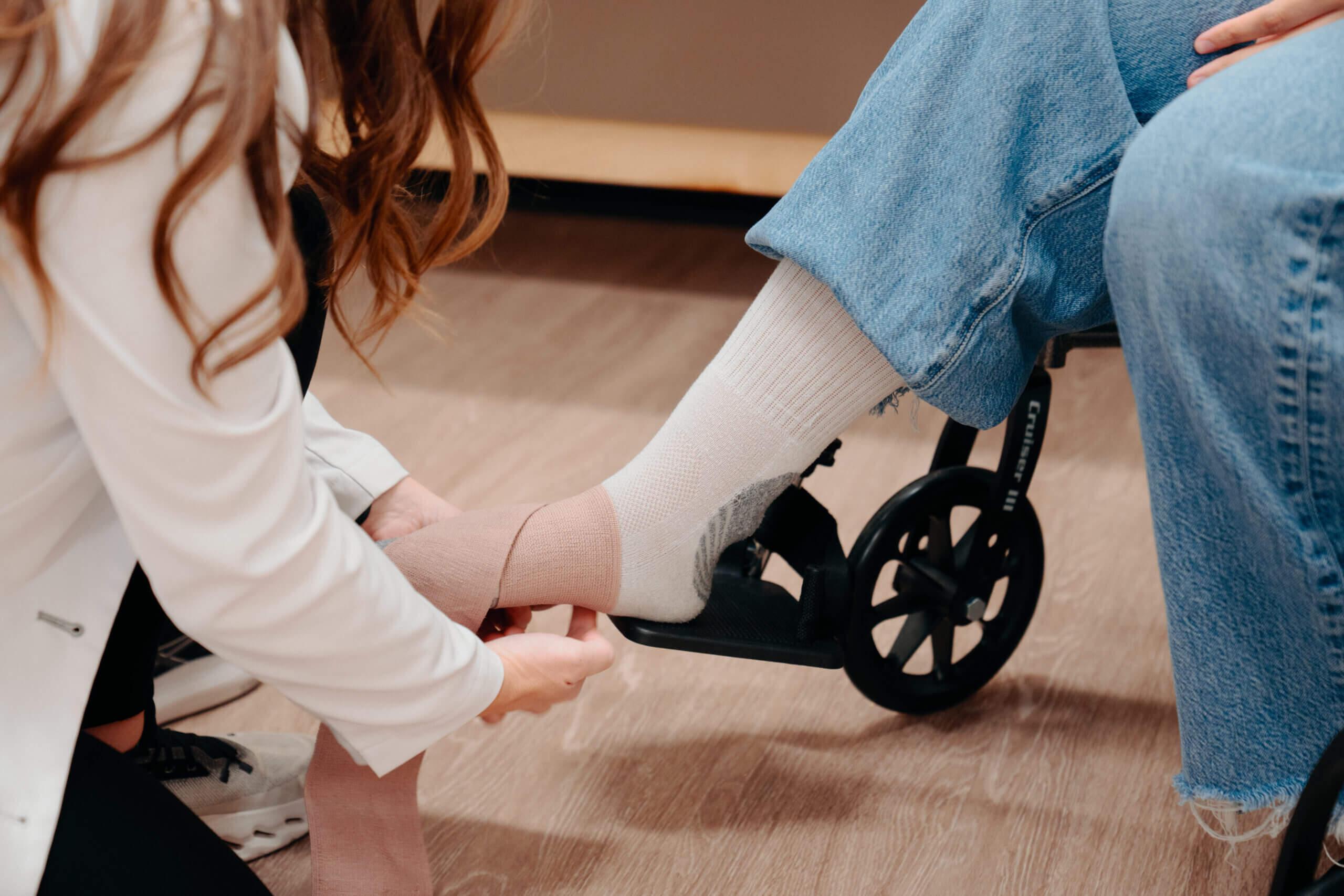
What Are the Different Types of Bone Fractures?
Fractures occur when a bone cracks or breaks under pressure, impact, or repeated stress. They are generally classified as incomplete or complete fractures, depending on how much of the bone is affected.
Incomplete Fractures: Small Cracks & Partial Breaks
An incomplete fracture damages the bone without breaking entirely through it. Common types include:
- Buckle Fracture: One side of the bone compresses and buckles, usually without a complete break. This is particularly common in children.
- Greenstick Fracture: The bone bends and breaks along one side while the opposite side remains intact.
- Hairline or Stress Fracture: A small crack that typically develops after repeated stress on the same bone. Stress fractures are frequently associated with high-impact activities, including running, dancing, and jumping. They can develop gradually when repetitive pressure exceeds the bone's ability to recover.
Even small fractures can cause significant discomfort and should be evaluated to prevent further injury.
Complete Fractures: When a Bone Breaks All the Way Through
Complete fractures extend through the entire bone and may involve different levels of displacement or damage. Common classifications include:
- Closed Fracture: The bone breaks without creating an open wound.
- Open Fracture: The fracture is exposed through a wound in the skin and requires emergency care.
- Non-Displaced Fracture: The broken sections remain in their normal alignment.
- Displaced Fracture: The bone fragments shift out of position.
- Comminuted Fracture: The bone breaks into several pieces.
- Segmental Fracture: Two separate breaks leave an isolated bone segment.
Some complete fractures can be treated without surgery, but displaced, unstable, or complex breaks may require orthopedic intervention and typically require a visit to the emergency room.
How Are Broken Bones Diagnosed & Treated?
If you suspect a fracture, digital X-rays may be needed to identify the injury and determine its severity. Digital X-rays, which provides a clear image in a matter of minutes, are available on-site at AFC Louisville. They are commonly used to examine the affected bone, locate a fracture, and evaluate alignment. Occasionally, a CT scan or MRI may be needed for injuries that are difficult to identify through standard X-rays.
Will You Need a Cast?
The answer depends on the type of fracture. Some broken bones require a cast to prevent movement during healing, while others can be supported with a splint, brace, or walking boot. Seeking prompt care at AFC Louisville is important because improper healing can contribute to chronic discomfort, reduced movement, or additional injury.
Understanding Sprains & Strains
Not every painful injury involves a broken bone. Sprains and strains are common soft tissue injuries that can occur during sports, exercise, or everyday movements. Both injuries may cause swelling, tenderness, stiffness, and difficulty moving normally.
Sprains affect ligaments, the tissue connecting bones that help stabilize joints. Rolling an ankle, for example, can stretch or tear the ligaments surrounding the joint.
Strains affect muscles or tendons. Tendons attach muscles to bones, and strains occur when these tissues become overstretched or torn. Hamstring strains are a common example, particularly among athletes who sprint or make sudden movements.
What Helps Sprains & Strains Heal?
Initial treatment for mild injuries often involves the R.I.C.E. method: rest, ice, compression, and elevation. Reducing activities that cause pain, applying cold packs, using appropriate compression, and elevating the injured area can help manage early symptoms.
Depending on the injury, your AFC provider may also recommend supportive equipment, gradual movement, or physical therapy. However, if pain or swelling doesn't improve within 48 hours, or symptoms interfere with walking or normal activities, that is a sign that medical care from AFC Louisville is needed.
Tendonitis: Another Common Cause of Injury-Related Pain
Sometimes, pain that resembles a sprain or strain is caused by tendonitis. Tendonitis involves inflammation or irritation of a tendon, often resulting from repetitive movements or excessive use of a particular muscle group. Common symptoms include localized tenderness, stiffness, and pain that increases with movement. People who participate in repetitive sports or perform the same physical tasks throughout the workday may be more susceptible to this condition.
Sprain, Strain & Fracture Treatment in Louisville, CO
Whether you've suffered a sports injury, fallen unexpectedly, or developed pain after repetitive activity, AFC Urgent Care Louisville provides convenient medical care for many sprains, strains, and fractures.
Our medical team can assess your symptoms, use digital X-rays when appropriate, and recommend supportive treatment options, including braces, boots, or splints. Getting an accurate diagnosis early can help prevent complications and support a smoother recovery.
Walk into AFC Urgent Care Louisville or save your spot online for prompt injury evaluation and treatment.
Pre-Register now How Can We Help?
- PATIENT SERVICES
- COVID-19 SERVICES
- TELECARE
- EMPLOYER RESOURCES
- PATIENT RESOURCES
- ABOUT US

Don't wait to get the medical attention you need.
CALL US TODAY | (720) 961-9700