From hiking and outdoor recreation at Deer Creek Canyon Park to everyday activities at home, injuries can happen when you least expect them. Whether it’s a fall on the trail, a kitchen accident, or a sudden medical concern, knowing how to respond with basic first aid can make a critical difference in those first moments.
Organizations like the American Red Cross emphasize that early intervention can help stabilize injuries and reduce the risk of complications before professional care is available.
At AFC Urgent Care, we’re here to treat non-life-threatening injuries quickly and efficiently, but what you do before you arrive matters just as much. Being prepared with basic first aid knowledge can help you stay calm and take effective action when it counts.
Visit AFC Urgent Care Ken Caryl today!
Why First Aid Knowledge Matters
First aid is about readiness, confidence, and quick thinking. In any emergency, your goals should be to:
- Preserve life by ensuring safety and responsiveness
- Prevent further injury through immediate care
- Promote recovery until professional help is available
Taking quick, informed action can significantly improve outcomes and provide reassurance during stressful situations.
First Aid Essentials Before You Seek Care
Protect Yourself First
Before helping someone else, make sure you’re protecting your own health. Use gloves or a barrier like cloth or gauze when handling blood or bodily fluids. If gloves aren’t available, layering materials can help reduce exposure.
Wash or sanitize your hands whenever possible and avoid direct contact with fluids. Once the situation is safe, you can begin assisting with greater confidence.
Bleeding & Wound Care
When someone is bleeding, immediate action is essential. Apply firm, direct pressure using a clean cloth or bandage to slow the bleeding. If possible, elevate the injured area above heart level.
After the bleeding is controlled, gently clean the wound with water and cover it with a sterile bandage to protect against infection.
Seek urgent care if:
- Bleeding does not stop after 10 minutes
- The wound is deep, wide, or difficult to close
- Signs of infection develop
Minor Cuts & Scrapes
Minor cuts and scrapes should still be treated carefully. Begin by washing your hands, then rinse the wound under clean, running water. Remove debris carefully and apply a clean bandage.
Keeping the wound clean and changing dressings regularly helps promote healing and prevent infection.
Choking Emergencies
Choking can escalate quickly and requires immediate action. If someone is unable to speak or breathe, perform abdominal thrusts by standing behind them and delivering quick upward motions until the airway is cleared. For more information on the Heimlich maneuver and when and how to perform it, read up on best practice methods on the Mayo Clinic’s website.
Recognizing Shock
Shock is a serious condition that can occur after injury or blood loss. It requires immediate attention.
Symptoms may include:
- Pale or clammy skin
- Rapid breathing or pulse
- Confusion or dizziness
Lay the person flat, elevate their legs if possible, and keep them warm while waiting for emergency help.
Burn Care
For minor burns, cool the affected area under lukewarm running water and cover it with a clean, non-stick bandage. Avoid using ice or home remedies. The American Burn Association has some fantastic information pertaining to burn care and when and how to take care of a burn at home and when to seek urgent care.
Seek medical care for burns that are severe, blistering, or cover a large area.
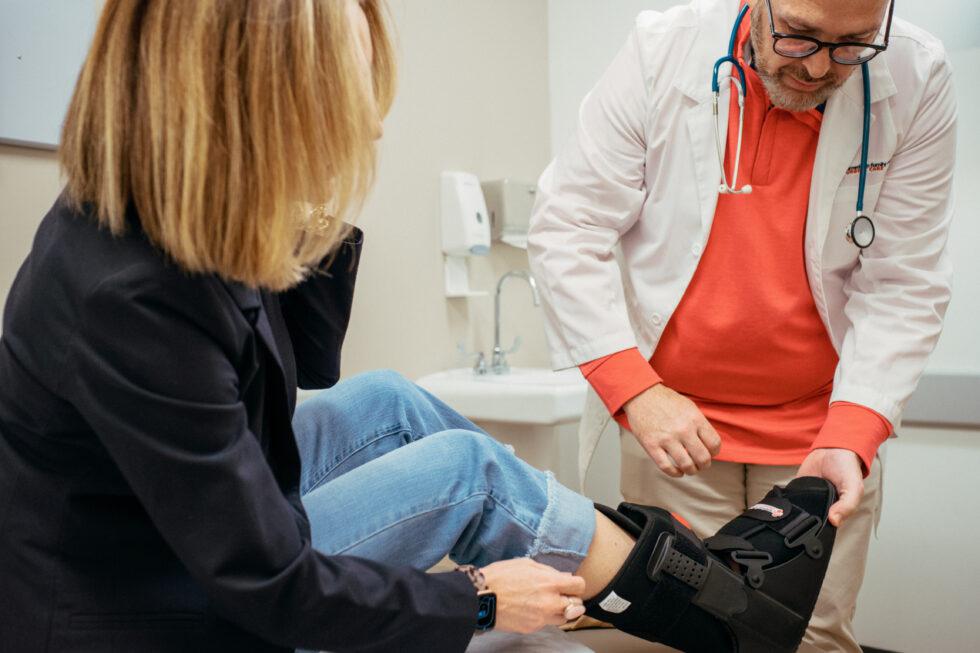
Sprains & Possible Fractures
Use the R.I.C.E. method to manage sprains and strains:
- Rest
- Ice
- Compression
- Elevation
If there is severe pain, swelling, or visible deformity, the injury may require professional evaluation.
If your symptoms worsen or new concerns arise, visit AFC Urgent Care Littleton walk in or book online today.
Life-Threatening Situations to Recognize
Some conditions require immediate emergency care.
Call 911 Immediately If You Notice:
- Chest pain or shortness of breath
- Stroke symptoms (FAST): face drooping, arm weakness, speech difficulty
- Severe allergic reactions
- Unconsciousness or lack of breathing
CPR Basics
If someone is not breathing:
- Begin chest compressions at 100–120 per minute
- Push hard and fast in the center of the chest
- Continue until help arrives
Hands-only CPR is effective if you are not trained in rescue breathing. If you have any concerns or just want to brush up on the latest information about performing CPR, the American Red Cross’ website has up-to-date instruction.
When to Visit Urgent Care
Visit AFC Urgent Care Ken Caryl for:
- Cuts requiring stitches
- Minor fractures or sprains
- Burns needing evaluation
- Signs of infection
- Allergic reactions
- Dehydration or heat-related symptoms
We provide efficient, high-quality care without long emergency room wait times.
Be Prepared with a First Aid Kit
Keep a first aid kit stocked with:
- Bandages and sterile gauze
- Antiseptic wipes
- Tweezers and scissors
- Gloves
- Thermometer
- Medical tape
Being prepared helps you respond quickly in any situation.
Final Thoughts
When emergencies happen, having a foundation in first aid can help you stay calm and take meaningful action right away. These essential skills allow you to manage injuries in the moment, reduce risks, and provide reassurance to those around you. However, even the best first aid response has its limits, which is why understanding when to seek professional care is such an important part of staying safe and healthy.
At AFC Urgent Care Ken Caryl in Littleton, we’re committed to being there when you need us most. Our experienced providers offer comprehensive care for a wide range of non-life-threatening conditions, helping you get answers and treatment quickly. From the moment you walk through our doors, our focus is on delivering quality care that supports your recovery and gives you peace of mind.