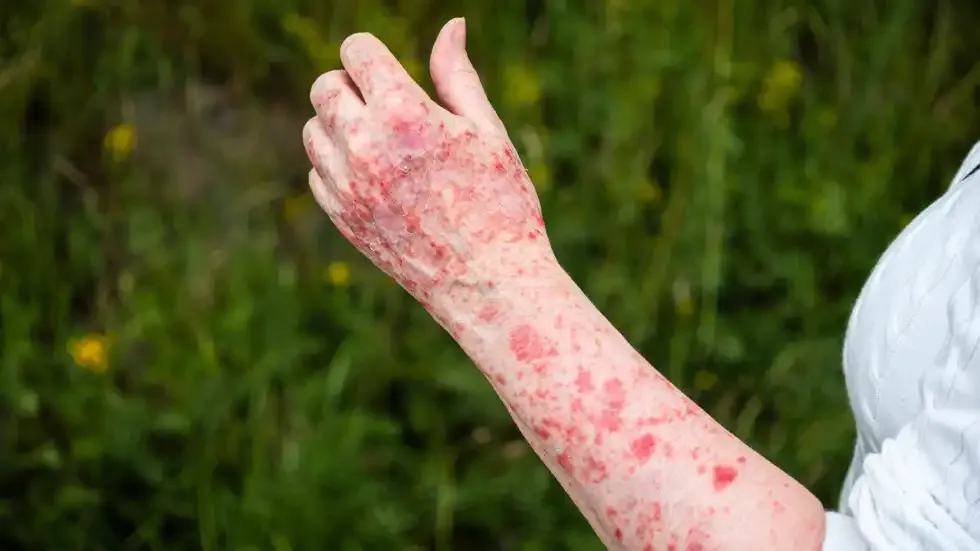
Summer in Chattanooga means spending as much time outdoors as possible. Whether you're exploring Coolidge Park, walking the Tennessee Riverwalk, or enjoying a weekend on the water, soaking up the sunshine is part of the season. But too much sun can do more than leave you with a painful sunburn. In some cases, prolonged UV exposure can lead to sun poisoning, a more serious reaction that may require medical attention from AFC Chattanooga Northshore.Knowing how to recognize the warning signs early can help you avoid complications and get back to enjoying your summer safely.
What Is Sun Poisoning?
Sun poisoning isn't actually a poisoning, it's a severe reaction to excessive ultraviolet (UV) exposure. While it often begins with what looks like a bad sunburn, symptoms can become much more intense as your body reacts to the damage caused by the sun.
Anyone can develop sun poisoning, but your risk increases if you've spent several hours in direct sunlight without adequate protection, especially during the hottest part of the day.
Signs You May Have Sun Poisoning
A typical sunburn usually causes redness, tenderness, and peeling. Sun poisoning, however, often comes with additional symptoms that affect your entire body. These symptoms may develop several hours after sun exposure and can continue to worsen if left untreated.
Watch for:
- Severe redness or swelling
- Painful blisters
- Headache
- Fever or chills
- Nausea or vomiting
- Dizziness or lightheadedness
- Fatigue or weakness
- Dehydration
How to Treat Mild Symptoms
If your symptoms are mild, taking action quickly may help prevent them from becoming more severe.Be sure to:
- Move indoors or into the shade immediately.
- Drink plenty of water to replace lost fluids.
- Apply cool compresses or take a cool shower.
- Use aloe vera or a gentle moisturizer to soothe irritated skin.
- Avoid additional sun exposure until your skin has healed.
- It's also important to avoid popping any blisters, as this increases the risk of infection.
When Should You Seek Medical Care?
Some cases of sun poisoning require prompt evaluation. Early treatment can help relieve symptoms, prevent complications, and ensure you're recovering properly. Visit AFC Chattanooga Northshore if you experience:
- Large or widespread blisters
- Fever that won't go away
- Persistent nausea or vomiting
- Severe dizziness or fainting
- Signs of dehydration, including confusion or decreased urination
- Intense pain that isn't improving
Protect Your Skin All Summer Long
The best way to avoid sun poisoning is to practice good sun safety every time you head outdoors. A few simple precautions can help you enjoy everything Chattanooga has to offer while protecting your skin from harmful UV rays.
Remember to:
- Apply a broad-spectrum sunscreen with SPF 30 or higher.
- Reapply sunscreen every two hours and after swimming or sweating.
- Wear lightweight protective clothing, sunglasses, and a wide-brimmed hat.
- Drink plenty of water throughout the day.
- Take breaks in the shade, especially between 10 a.m. and 4 p.m.
If your sunburn feels worse than expected or you're experiencing symptoms of sun poisoning, our experienced AFC providers at AFC Chattanooga Northshore are here to help. We'll evaluate your symptoms, recommend the appropriate treatment, and help you recover as comfortably and safely as possible.A day in the sun should leave you with great memories, not a trip to the emergency room. If your symptoms go beyond a typical sunburn, visit AFC Chattanooga Northshore for fast, convenient walk-in care and get back to enjoying your summer with confidence.