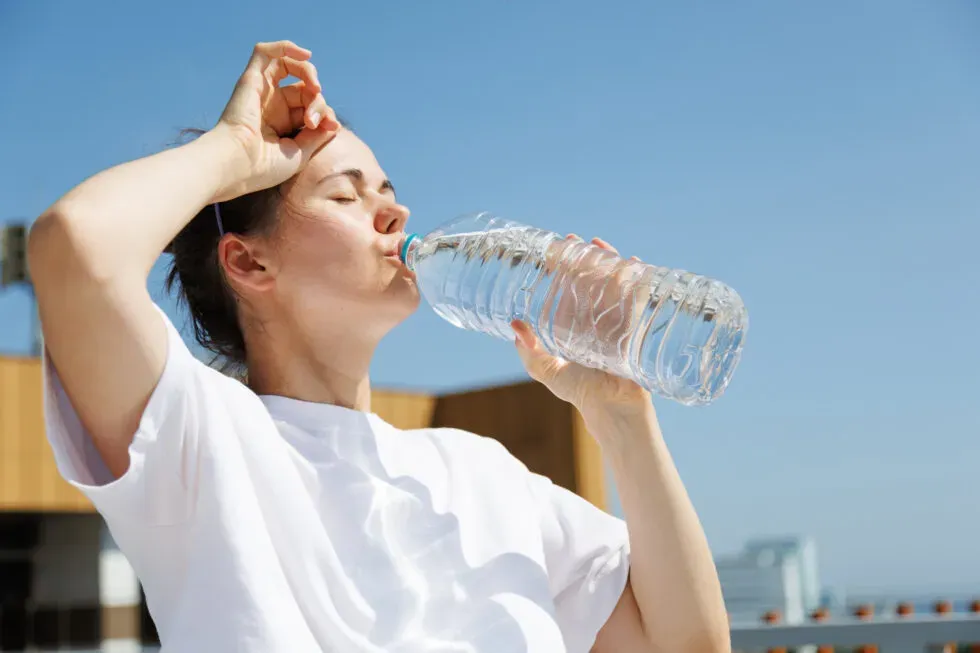
Summer in Chattanooga can mean long days outside, but when temperatures climb into heat-wave territory, staying hydrated becomes more than just a good habit. Whether you’re spending the day at the lake, working in the yard, walking along the Tennessee Riverwalk, or keeping up with the kids at a local park, hot and humid conditions can cause your body to lose fluids faster than you realize.The good news is that a few simple hydration habits can help lower your risk of heat exhaustion and other heat-related illnesses. Knowing how much to drink, when to take breaks, and which symptoms to watch for can help you enjoy summer while keeping your body safe.
Why Hydration Matters During a Heat Wave
Your body relies on sweating to regulate its temperature. When temperatures and humidity rise, you may lose more water and electrolytes through sweat than you normally would. Ignoring these signs can allow dehydration to progress into heat exhaustion or, in severe cases, heatstroke.
If those fluids aren’t replaced, dehydration can develop. Early symptoms may include:
- Increased thirst
- Dry mouth
- Headache
- Darker urine
- Fatigue or weakness
- Dizziness or lightheadedness
- Muscle cramps
How to Stay Hydrated in Hot Weather
Waiting until you’re extremely thirsty isn’t always the best strategy. Instead, make hydration part of your routine throughout the day.Try these simple habits:
Start drinking water early. Hydrate before heading outside rather than waiting until you’ve already been sweating.
Sip regularly. Take frequent drinks of water during outdoor activities, especially when you’re exercising or working in the heat.
Replace electrolytes when needed. During prolonged activity or heavy sweating, an electrolyte-containing drink may help replace sodium and other electrolytes your body loses through sweat.
Keep water within reach. Carry a reusable water bottle when you’re out running errands, hiking, or spending time outdoors.
Pay attention to your urine. Dark yellow urine can be a sign that you need more fluids.
Don’t Forget About Food and Alcohol
Hydration isn’t only about what you drink. Foods with high water content, such as watermelon, oranges, berries, cucumbers, and other fruits and vegetables, can contribute to your overall fluid intake.It’s also smart to limit alcohol when you’re spending extended periods in the heat. Alcohol can contribute to fluid loss and may make it harder to recognize early signs of dehydration.
Know the Signs of Heat Exhaustion
Even with good hydration habits, spending too much time in extreme heat can still take a toll. If these symptoms develop, move to a cooler or shaded location, stop physical activity, and begin cooling down. Drink fluids and rest while monitoring your symptoms. Signs of heat exhaustion can include:
- Heavy sweating
- Weakness or unusual fatigue
- Headache
- Dizziness
- Nausea
- Muscle cramps
- Cool, pale, or clammy skin
- Rapid pulse
When Heat-Related Illness Becomes an Emergency
Heatstroke is a medical emergency. If you suspect heatstroke, call 911 immediately. Don’t wait for symptoms to improve on their own. Warning signs can include:
- Confusion or unusual behavior
- Loss of consciousness
- Severe weakness
- Very high body temperature
- Hot, flushed skin
- Severe headache
- Seizures
Simple Ways to Beat the Chattanooga Heat
Hydration works best when combined with other heat-safety habits. A little planning can make a big difference when summer temperatures soar. During a heat wave, try to:
- Take regular breaks in air conditioning or shade
- Avoid strenuous outdoor activity during the hottest part of the day
- Wear lightweight, breathable clothing
- Use sunscreen and wear a hat when spending time outside
- Never leave children or pets in a parked vehicle
- Check on older adults and anyone who may be more vulnerable to extreme heat
Chattanooga summers offer plenty of reasons to get outside, but extreme heat deserves your attention. Staying hydrated, taking regular cooling breaks, and recognizing early warning signs can help prevent a fun summer day from turning into a medical emergency.If you develop symptoms of dehydration or heat-related illness that don’t improve with rest and cooling, AFC Chattanooga Northshore can provide convenient evaluation and care when you need it.