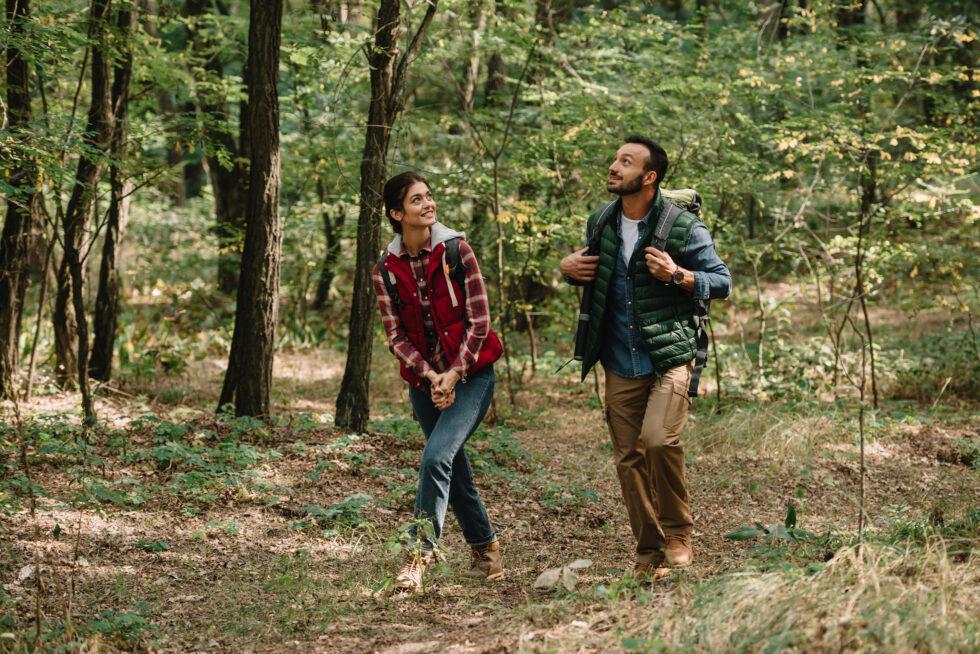
Living in Colorado means easy access to some of the country’s best hiking trails. From scenic foothill hikes near Denver to shaded mountain trails west of the city, outdoor adventures are practically part of the lifestyle. For many hikers, though, the only thing worse than sore legs after a long trek is discovering a painful, itchy rash later that evening.
At AFC Broadway, CO, we frequently see patients dealing with rashes caused by plant exposure, heat, allergic reactions, and prolonged hiking in Colorado’s dry climate. While poison ivy often gets the most attention, there are several lesser-known trail hazards throughout Colorado that can also irritate the skin.
Before your next hiking trip, it helps to understand what causes these rashes, how to prevent them, and when professional medical care may be necessary.
Visit AFC Broadway today!
Common Hiking-Related Rashes in Colorado
Colorado’s combination of altitude, sun exposure, dry air, and rugged terrain creates the perfect environment for several outdoor skin conditions.
Some of the most common rashes we treat after hiking include:
Exercise-Induced Vasculitis
Sometimes called “Disney rash” or “hiker’s rash,” this condition develops after prolonged walking or hiking in warm weather. Small blood vessels in the legs become inflamed, often leading to:
- Red or purple spots around the calves
- Swelling near the ankles
- Burning or itching sensations
- Patchy skin discoloration
Although usually harmless, symptoms can look alarming.
Heat Rash
Colorado may have dry air, but sweating under hiking gear during summer can still clog sweat glands and create painful irritation.
Heat rash often causes:
- Small bumps
- Prickly or itchy skin
- Red patches under clothing areas
- Mild swelling
Sunburn and Sun Poisoning
Higher elevation means stronger UV exposure. Even cool or cloudy days can lead to significant skin damage during long hikes. The American Academy of Dermatology recommends frequent sunscreen reapplication at higher elevations.
Colorado Plants That Can Irritate Skin
Many hikers are surprised to learn that poison ivy is not the only plant capable of causing irritation.
Stinging Nettle
This plant commonly grows along moist Colorado trails and creek beds. Tiny hairs inject chemicals into the skin, producing burning sensations, raised welts, itching, and temporary redness.
Wild Parsnip
Wild parsnip sap reacts with sunlight and may cause blistering burns after exposure.
Russian Thistle and Tumbleweed
Dry vegetation like Russian thistle can scrape exposed skin and trigger irritation, especially on ankles and lower legs.
Sagebrush Allergies
Sagebrush pollen may worsen allergic skin symptoms and itching during late summer hikes.
For additional trail safety information, visit Colorado Parks and Wildlife.
Smart Ways To Prevent Rashes While Hiking
Prevention is often easier than treatment, especially when hiking in remote areas.
To protect your skin on Colorado trails:
- Wear breathable long sleeves and pants
- Use fragrance-free sunscreen for sensitive skin
- Carry extra water and stay hydrated
- Avoid brushing against trail vegetation
- Take breaks in shaded areas
- Change sweaty socks and clothing promptly
- Wash hiking gear after outdoor trips
- Inspect pets for plant oils before bringing them inside
Planning ahead can dramatically reduce your risk of irritation.
At-Home Care for Mild Hiking Rashes
If you develop a mild rash after hiking, quick treatment can help calm symptoms before they worsen.
Helpful home remedies include:
- Washing skin thoroughly with cool water
- Applying calamine lotion or hydrocortisone cream
- Using cold compresses for swelling
- Taking over-the-counter antihistamines for itching
- Resting and elevating swollen legs
- Avoiding additional sun exposure while healing
In many cases, symptoms improve within a few days.
When Is It Time To Visit Urgent Care?
Some hiking rashes become severe enough to require medical attention.
Walk-in or book online with AFC Broadway, CO if you experience:
- Severe itching or pain
- Large blisters
- Pus or drainage
- Fever with a rash
- Difficulty breathing
- Facial swelling
- Rash spreading rapidly
- Signs of infection
- Symptoms lasting longer than expected
Our urgent care providers can evaluate the cause of your rash and recommend appropriate treatment to help relieve discomfort quickly.
Keep Exploring Colorado Comfortably This Summer
Colorado trails are meant to be enjoyed, not feared. Whether you’re exploring foothill paths near Denver or heading deeper into the mountains, a little preparation can go a long way toward protecting your skin.
AFC Broadway, CO offers walk-in care for hiking-related rashes, allergic reactions, dehydration, sunburns, and minor outdoor injuries throughout the summer season.
If your next hiking trip leaves you with unexpected skin irritation, our team is ready to help you feel better fast. Visit AFC Broadway, CO for convenient same-day urgent care treatment after hiking injuries or rash exposure.