From morning dog walks along South Broadway to evenings in Englewood’s residential neighborhoods near Harvard Gulch Park and local apartment communities, animal encounters are part of everyday life in this part of South Denver. The Broadway corridor blends dense housing, walkable streets, and pet-friendly living, which means dogs are frequently interacting with other dogs, people, and shared outdoor spaces throughout the day.
Most of these interactions are safe and uneventful, but animal bites and scratches still occur more often than many people expect, especially in environments where pets are in close proximity. At AFC Urgent Care Broadway, we frequently see dog bites from leash encounters, dog park visits, and sudden stress responses in crowded or unfamiliar situations. Cat bites and scratches are also common, along with occasional wildlife exposures involving bats or raccoons moving through urban-adjacent neighborhoods.
Even a small bite can become a larger medical concern if bacteria are introduced beneath the skin. Understanding what to do immediately after an injury and when to seek medical care is essential for preventing infection and ensuring proper healing.
Visit AFC Urgent Care Broadway, CO today.
Why Animal Bites Should Never Be Ignored
Animal bites in a dense urban setting like Englewood’s Broadway corridor often look minor at first but carry a higher risk of infection than most people realize. Bacteria from an animal’s mouth can be driven deep into tissue instantly, even when the wound appears small on the surface.
In apartment-heavy and walkable communities like Broadway, bites often happen in tight spaces where dogs feel crowded or startled. Hallways, elevators, shared stairwells, and leash interactions on narrow sidewalks can all contribute to unexpected defensive reactions from pets. These situations do not necessarily reflect aggression but rather situational stress responses.
Once bacteria enter the skin, infection can develop over hours or days. Early signs may include redness, warmth, swelling, or increasing tenderness. Without treatment, infections can progress deeper into tissue, particularly in the hands, fingers, or joints.
Children are especially vulnerable in urban environments because they are more likely to be bitten on the face or hands and may not recognize early warning signs from animals. Prompt medical evaluation significantly reduces the risk of complications.
What to Do Immediately After an Animal Bite
Immediate care after an animal bite plays a major role in preventing infection and reducing long-term complications. In the Broadway area, where many injuries occur during daily walks or apartment living situations, quick response is especially important.
The first step is always to clean the wound thoroughly with soap and running water for several minutes. This helps remove bacteria, saliva, and debris before they can settle into deeper tissue. Even if the wound looks small, this step should never be skipped.
After cleaning, apply firm pressure if bleeding is present, then gently dry the area and cover it with a clean bandage. Antibiotic ointment may be used once bleeding is controlled, but it should never replace proper washing of the wound.
Avoid sealing puncture wounds tightly, as this can trap bacteria inside. If the animal is known, checking vaccination status especially for rabies is an important next step.
If the bite breaks the skin, medical evaluation is recommended within 24 hours. AFC Urgent Care Broadway provides walk-in treatment seven days a week for animal bites, infections, and related injuries. Walk in or book online to be seen at your convenience by an AFC Broadway healthcare professional.
Dog Bites: The Most Common Animal Bite We See
Dog bites are the most frequently treated animal-related injury in Englewood’s Broadway corridor. This is largely due to the area’s high pet density, apartment living, and constant leash-based interactions in shared public spaces.
Most dog bites in this area are not caused by aggression but by environmental stress. Dogs may feel overwhelmed in crowded hallways, react defensively when startled, or become protective of food, toys, or personal space. Even well-trained pets can bite when placed in uncomfortable situations.
Understanding canine body language can help reduce bite risk. Early warning signs often include:
- Lip licking or yawning outside of normal context
- Turning away or avoiding eye contact
- Stiff body posture or freezing in place
- Tail tucked between the legs
- Subtle backing away from interaction
More serious warning behaviors include growling, raised fur, direct staring, showing teeth, or lunging.
Pet behavior resources such as a Better Way to Board and training programs like Blue Springs ‘n Katydid can help owners improve socialization and reduce bite risk in urban environments.
Beyond Dogs: Other Animal Bites in Englewood
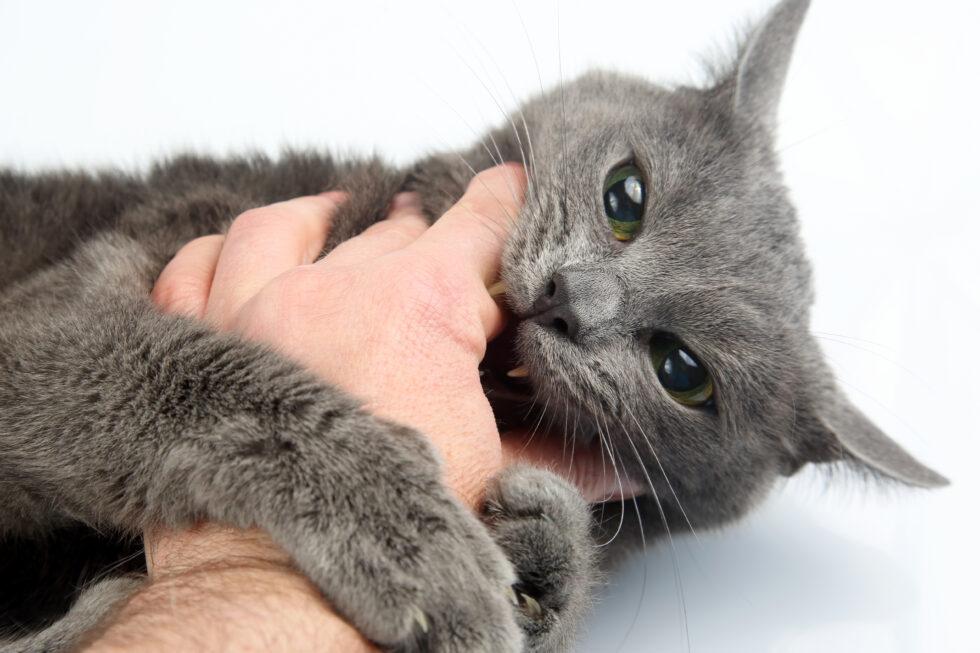
While dog bites are the most common injuries in the Broadway corridor, other animal exposures do occur in urban South Denver. Cat bites are particularly concerning because their puncture wounds are deep and narrow, allowing bacteria to become trapped beneath the skin quickly.
Wildlife exposure is less frequent but still possible, especially with bats, raccoons, or skunks moving through urban-adjacent areas or entering residential structures. Any bite from an unknown or wild animal should always be evaluated due to potential rabies risk.
Rodents such as squirrels or mice rarely carry rabies but can still introduce bacterial infections through bites or scratches that require treatment.
Snake Bites and Spider Bites in South Denver
Snake bites are uncommon in Englewood but remain a medical emergency when they occur. Prairie rattlesnakes are the primary venomous species in Colorado, and any suspected bite should be treated immediately with emergency care.
Spider bites, including black widow exposure, may cause muscle cramping, pain, or systemic symptoms that require medical evaluation.
Bee Stings, Fire Ants, and Other Insect Encounters
Insect-related injuries are common in South Denver, especially during warmer months. Bee stings, wasps, and fire ants can cause localized swelling and pain, while some individuals experience severe allergic reactions.
Signs of a serious anaphylactic reaction include difficulty breathing, facial swelling, dizziness, or widespread hives. These symptoms require immediate emergency treatment.
When Should You Visit Urgent Care?
Urgent care is appropriate for most animal bites that break the skin but do not cause life-threatening symptoms. It is also the right setting for early infection signs, puncture wounds, or uncertainty about vaccination status.
You should visit AFC Urgent Care on Broadway if:
- The bite breaks the skin
- A puncture wound is present
- Redness, swelling, or warmth develops
- The injury involves a cat bite
- Tetanus status is unknown
- The wound requires cleaning or antibiotics
When Is It Time to Go to the Emergency Room?
Emergency care is necessary when symptoms are severe or rapidly worsening. This includes uncontrolled bleeding, difficulty breathing, or signs of anaphylaxis.
Go to the ER if:
- Bleeding does not stop after 10–15 minutes
- Breathing becomes difficult or restricted
- Swelling affects the face, lips, or throat
- A venomous snake bite is suspected
- Severe trauma or deep tissue injury occurs
- Loss of consciousness happens
Call 911 immediately if symptoms escalate quickly.
Helping Children Stay Safe Around Animals
Children in Englewood’s Broadway corridor frequently encounter pets in apartments, sidewalks, and shared outdoor areas. Teaching safe interaction is essential for preventing injuries.
Children should always ask before petting unfamiliar dogs, avoid disturbing animals while eating or sleeping, and learn to recognize signs of discomfort. Even familiar pets should be supervised during play, especially with younger children.
Protecting Your Family After an Animal Bite
Animal bites in Englewood’s South Broadway corridor can happen in a variety of everyday moments walking a dog near neighborhood streets, visiting a local dog park, or simply interacting with a familiar pet at home. While many of these injuries may initially appear minor, even small puncture wounds can carry a meaningful risk of infection, especially when bacteria are introduced beneath the skin. For families throughout Englewood, as well as nearby Arapahoe County communities like Sheridan and Cherry Hills Village, knowing how to respond quickly can make a significant difference in recovery.
AFC Urgent Care Broadway provides walk-in treatment seven days a week for animal bites, skin infections, and related injuries. Whether the bite comes from a family pet, a stray animal, or wildlife, our clinic offers timely evaluation and treatment so you can focus on healing and getting back to your routine with confidence.