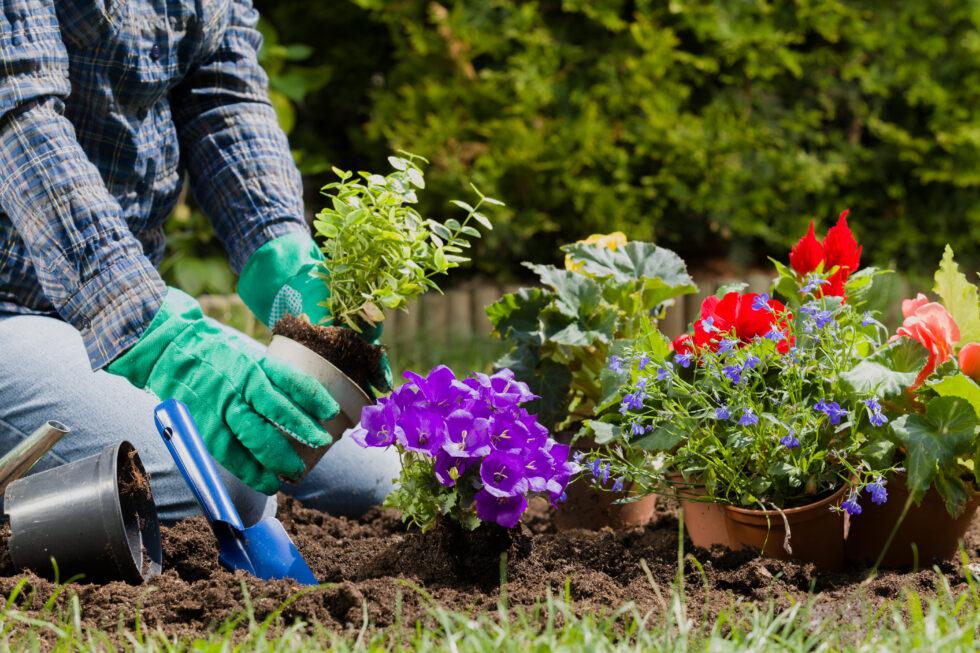
Spring in Allen often means weekends spent outdoors, patios coming back to life, and garden centers like Calloway’s Nursery filling up with homeowners ready to refresh their yards. Whether you’re planting colorful flowers near Watters Creek, updating landscaping in Twin Creeks, or spending a sunny afternoon working in the backyard, this time of year makes it easy to dive into outdoor projects.
Gardening can be relaxing, productive, and rewarding, but it can also be tougher on the body than many people realize. Hours of bending, kneeling, lifting, and working in the Texas sun can quickly lead to soreness, dehydration, or minor injuries if you’re not prepared. The good news is that a few smart habits can help you enjoy the season while avoiding common setbacks.
Visit AFC Urgent Care Allen-Fairview today!
Why Gardening Injuries Happen So Often
Gardening often feels easier than it really is. Pulling weeds, trimming shrubs, or spreading mulch may seem relaxing, but your body is still doing repetitive physical work for long periods of time.
Squatting, twisting, lifting, reaching, and kneeling can strain muscles and joints, especially if you have not been very active lately. Many people also lose track of time outdoors and keep working after fatigue begins to set in.
Outdoor hazards add another layer of risk, including uneven ground, sharp tools, thorny plants, insect bites, allergens, and sun exposure. Treating gardening like exercise and preparing beforehand can help you avoid injuries and feel better afterward.
Preventing Strains and Overuse Injuries
One of the most common complaints after a long gardening session is pain in the lower back, shoulders, knees, or wrists. The best way to reduce strain is to approach yard work like any other physical activity. Before you begin, take a few minutes to stretch your back, shoulders, arms, and legs so your body is ready to move.
When lifting bags of soil, pots, or tools:
- Bend at your knees instead of your waist
- Keep heavy items close to your body
- Use your legs to lift
- Avoid twisting while carrying weight
It also helps to rotate tasks throughout the day. Switch between planting, pruning, and watering, and take a break if soreness starts to set in.
Before starting spring yard projects, many Allen homeowners take a few minutes to check their gardening tools and gear after months in storage, replacing worn gloves or damaged equipment as needed. If anything needs to be restocked, local stores like Home Depot can be a convenient stop for basics like gloves, hand tools, and yard supplies. Long-handled tools, kneeling pads, rolling stools, and ergonomic grips can also make gardening more comfortable while helping reduce repetitive strain.
Protecting Your Skin from Rashes and Irritation
Your yard may look peaceful, but gardening can be tough on your skin. Plants, mulch, fertilizer, pollen, insect bites, and sun exposure can all cause irritation during the season.
- Common causes include:
- Weeds or irritating plants
- Mulch and fertilizer dust
- Fire ant or mosquito bites
- Scratches from branches or thorns
- Sun exposure
Wearing gloves is one of the easiest ways to protect your hands. Long sleeves, lightweight pants, and closed-toe shoes can also help prevent scratches, bites, and plant reactions. Even mild spring days in North Texas can bring strong UV rays, so apply sunscreen, wear a hat and sunglasses, and take shade breaks during warmer afternoon hours.
Reducing the Risk of Cuts and Infections
Small cuts and scrapes are common when using hand tools, trimming branches, or handling rough materials. Even minor wounds can allow bacteria from soil to enter the skin and cause infection.
- Keep a simple first aid kit nearby with:
- Bandages
- Antiseptic wipes
- Antibiotic ointment
- Gauze or tape
- Tweezers for splinters
If you get cut, wash the area with soap and water, treat it, and cover it before returning to work. It is also smart to wash your hands after gardening, avoid touching your face with dirty hands, replace torn or wet gloves, and stay current on your tetanus vaccination.
Knowing these first aid basics can help you handle minor injuries and wounds quickly and know when to visit urgent care if symptoms worsen.
Using Garden Tools Safely
Garden tools should make outdoor work easier, but damaged or poorly maintained tools can increase the chance of injury. Before starting, inspect your equipment to make sure everything is clean and in good condition.
Dull blades often require more force and can slip unexpectedly. Loose handles or cracked grips may also make tools harder to control.
For safer tool use:
- Sharpen pruners and shears regularly
- Replace broken handles or worn grips
- Store tools in a dry area
- Wear sturdy shoes while working
If you use power tools like hedge trimmers or mowers, wear eye protection and keep children or pets clear of the area. When using ladders for tree trimming or gutter-adjacent work, place them on level ground and avoid overreaching.
Staying Safe in the Texas Heat
Allen may not always feel scorching in spring, but North Texas temperatures can rise quickly, especially on sunny afternoons. Add physical labor to the mix, and dehydration can happen faster than expected.
Drink water before you feel thirsty and continue sipping throughout your project. If you are sweating heavily or working for several hours, electrolyte drinks may also help.
To reduce heat stress:
- Start early in the morning when temperatures are cooler
- Save heavier lifting for later evening hours
- Wear lightweight, breathable clothing
- Rest in the shade regularly
- Watch humidity levels after rainstorms
Signs of heat-related illness may include headache, dizziness, nausea, weakness, cramping, or unusual fatigue. If symptoms begin, stop working immediately and cool down indoors.
If symptoms continue or worsen, visit AFC Urgent Care Allen for prompt treatment and support. When to visit urgent care includes ongoing dehydration symptoms, heat exhaustion concerns, or weakness that does not improve with rest.
Enjoy Gardening Without the Setbacks
Gardening should leave you with blooming flower beds and a sense of accomplishment, not an injury that sidelines your weekend plans. With a few simple precautions, you can reduce the risk of strains, rashes, cuts, and heat-related illness while enjoying everything spring in Allen has to offer.
If you do experience persistent soreness, signs of infection, dehydration, or an unexpected injury, AFC Urgent Care Allen is here to help with fast, convenient care close to home.
Visit AFC Urgent Care Allen today walk in or book online, and get back to enjoying the sunshine, fresh air, and the satisfaction of a thriving garden.