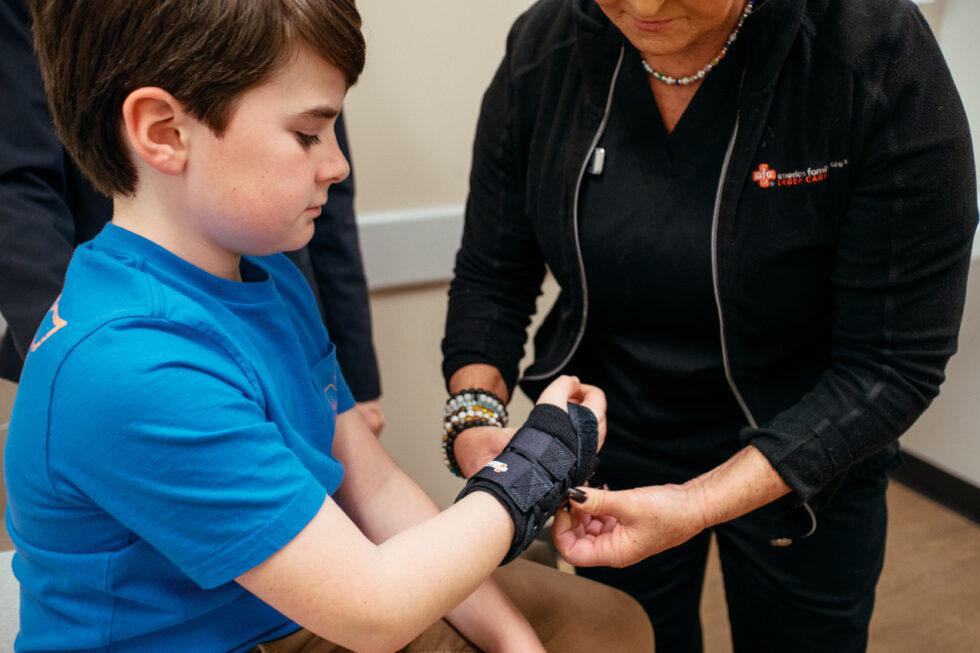
Accidents can happen in an instant whether you’re cooking at home, helping kids with activities, or spending time outdoors at places like Celebration Park. From minor cuts to more serious injuries, knowing how to respond with basic first aid can make a meaningful difference before medical care is available.
Trusted organizations like the American Red Cross emphasize that early intervention can help stabilize injuries and prevent complications.
At AFC Urgent Care, we provide fast, reliable care for non-life-threatening conditions, but what you do before you arrive can significantly impact recovery.
Visit AFC Urgent Care Allen-Fairview today!
Why First Aid Knowledge Matters
First aid is about staying prepared and acting with confidence. In any emergency situation, your priorities should be:
- Preserve life
- Prevent further injury
- Promote recovery
Even simple actions like applying pressure to stop bleeding or recognizing the signs of shock can improve outcomes and reduce risk.
First Aid Essentials Before You Seek Care
Protect Yourself First
Before helping someone else, take a moment to protect yourself. Use gloves or a barrier like gauze or cloth when dealing with blood and sanitize your hands whenever possible. Avoid direct contact with bodily fluids to reduce the risk of contamination. Once the environment is safe, you can begin assisting.
Bleeding & Wound Care
When someone is bleeding, quick action is important. Apply firm, direct pressure using a clean cloth or bandage to slow the bleeding. If possible, elevate the injured area above heart level.
Once bleeding is controlled, gently clean the wound with water and cover it with a sterile dressing.
Visit urgent care if:
- Bleeding continues after 10 minutes
- The wound is deep, wide, or jagged
- Signs of infection develop, such as redness, swelling, or drainage
Minor Cuts & Scrapes
Minor injuries are common, especially for active families. Start by washing your hands, then rinse the wound with clean running water. Remove any visible debris carefully and apply a clean bandage.
Keeping the wound clean and changing dressings regularly will help promote proper healing and prevent infection.
Choking Emergencies
Choking requires immediate action. If someone cannot speak, cough, or breathe, stand behind them and perform abdominal thrusts by placing your fist just above the navel and delivering quick upward movements until the blockage is cleared. For more information about the Heimlich maneuver and when and how to use it, read through this information from the Mayo Clinic.
Recognizing Shock
Shock can occur after serious injury or blood loss and requires urgent attention.
Symptoms may include:
- Pale or clammy skin
- Rapid breathing or pulse
- Confusion or dizziness
Lay the person flat on their back, elevate their legs if possible, and keep them warm with a blanket. Stay calm and call for help immediately.
Burn Care
For minor burns, cool the affected area under lukewarm running water and cover it with a clean, non-stick bandage. Avoid using ice or home remedies, as they may worsen the injury.
Seek medical care for burns that are large, blistering, or deep.
Sprains & Possible Fractures
Sprains and strains can often be treated with the R.I.C.E. method:
- Rest
- Ice
- Compression
- Elevation
However, severe pain, swelling, or deformity may indicate a fracture and should be evaluated at urgent care.
If your symptoms worsen or you notice anything new or concerning, visit AFC Urgent Care Allen, walk in or book online for quick, convenient care.
Life-Threatening Situations to Recognize
Some situations require immediate emergency care rather than urgent care.
Call 911 Immediately If You Notice:
- Chest pain or pressure
- Stroke symptoms (face drooping, arm weakness, speech difficulty)
- Severe allergic reactions
- Unconsciousness or lack of breathing
CPR Basics
If someone is unresponsive and not breathing:
- Begin chest compressions at a rate of 100–120 per minute
- Push firmly in the center of the chest
- Continue until help arrives
If trained, you may include rescue breaths, but hands-only CPR is effective.
When to Visit Urgent Care
First aid is only the first step. Visit AFC Urgent Care Allen for:
- Cuts that may require stitches
- Minor fractures or sprains
- Burns needing evaluation
- Signs of infection
- Mild to moderate allergic reactions
- Dehydration or heat-related symptoms
We offer fast, convenient care without the long wait times of the emergency room.
Be Prepared with a First Aid Kit
A well-stocked kit can help you respond quickly in emergencies.
Items to include:
- Adhesive bandages and sterile gauze
- Antiseptic wipes
- Tweezers and scissors
- Disposable gloves
- Thermometer
- Medical tape
Final Thoughts
Being prepared with basic first aid knowledge allows you to take control during situations that might otherwise feel overwhelming. Quick, informed action can help reduce the severity of injuries and provide critical support until medical care is available. At the same time, understanding the limits of at-home care and knowing when to seek professional treatment is essential for protecting your long-term health.
At AFC Urgent Care Allen-Fairview, we’re proud to serve our community with accessible, high-quality care when you need it most. Whether you’re dealing with a cut that may require stitches, a sprain that needs evaluation, or symptoms that simply shouldn’t be ignored, our team is here to help. You can count on us to deliver efficient, compassionate care that helps you get back to your routine safely and with peace of mind.