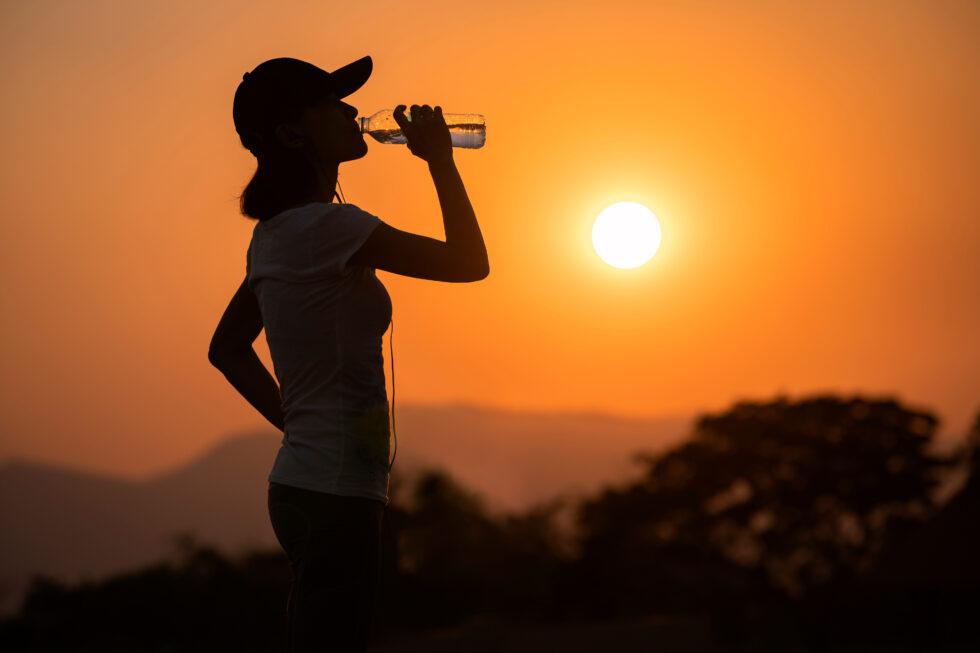
Summer in North Colorado Springs doesn’t always look like what people picture when they think about extreme heat. Many days begin with cool mornings, comfortable afternoon temperatures, and brilliant blue skies that practically beg you to spend the day outdoors. Whether you’re hiking through the stunning rock formations at Garden of the Gods, exploring local trails, or enjoying a family getaway at Great Wolf Lodge Colorado Springs, it’s easy to forget that Colorado’s sunshine can be much more intense than the thermometer suggests. Residents of Briargate (80920 and 80924) and Black Forest (80908) know that a pleasant forecast doesn’t always mean your skin and body are protected from Colorado’s powerful sunshine.
That’s because elevation changes everything.
At more than 6,000 feet above sea level, North Colorado Springs sits much closer to the sun’s ultraviolet (UV) rays than communities at lower elevations. The thinner atmosphere filters out less UV radiation, increasing your risk of sunburn even on mild, breezy days. Pair that with Colorado’s dry climate, where moisture leaves your body quickly without the heavy sweating you might notice elsewhere, and it’s easy to see why dehydration and heat-related illnesses can catch people off guard.
If you’ve ever come home from a summer adventure wondering why you’re sunburned, exhausted, and nursing a headache after spending the day in what felt like perfect weather, visit us at AFC North Colorado Springs, CO.
Why Sunburn Can Make Heat Illness More Likely
Most of us think of sunburn as little more than an uncomfortable inconvenience. After all, red shoulders and peeling skin are practically considered a rite of summer. But a significant sunburn is actually an injury that forces your body to work harder while it’s trying to repair itself.
When your skin becomes inflamed from UV exposure, it loses moisture more quickly and becomes less efficient at helping regulate body temperature. At the same time, you’re continuing to lose fluids through breathing and activity in Colorado’s dry mountain air. Even if you don’t feel drenched in sweat, dehydration can develop surprisingly fast during a long hike, youth sports tournament, or afternoon exploring one of the area’s many outdoor attractions.
That’s one reason sunburn and heat exhaustion often show up together. The longer you’re outside without enough water, shade, or sun protection, the harder your body has to work to keep itself cool.
Don’t Ignore the Early Signs of Heat Exhaustion
Heat exhaustion usually doesn’t happen all at once. More often, it develops gradually as your body struggles to replace the fluids and electrolytes it’s losing throughout the day.
You might first notice that you’re thirstier than usual or that your energy is fading faster than expected. A mild headache turns into dizziness; your muscles begin cramping, and suddenly sitting in the shade sounds much more appealing than finishing your hike or watching the rest of the game.
Common symptoms include:
- Dizziness or lightheadedness
- Headache
- Heavy sweating
- Muscle cramps
- Nausea
- Weakness or unusual fatigue
- Cool, clammy skin
- Rapid heartbeat
- Excessive thirst
These symptoms shouldn’t be ignored. Moving to a cooler location, drinking water or electrolyte beverages, and resting can often stop heat exhaustion from progressing. However, if symptoms continue or become more severe, it’s important to seek medical evaluation. Walk in or book online with AFC North Colorado Springs for quick treatment and relief.
Is It Just Sunburn, or Could It Be Something More?
A painful sunburn can leave you feeling tired, dehydrated, or even slightly nauseated, which is why it’s sometimes difficult to tell where sunburn ends and heat exhaustion begins. While sunburn mainly affects your skin, heat exhaustion impacts your body’s ability to regulate temperature and maintain proper hydration.
A good rule of thumb is to pay attention to symptoms that go beyond red, tender skin. If you’re experiencing persistent dizziness, severe fatigue, vomiting, confusion, or feel like you’re simply not recovering after getting out of the sun, it’s worth having a medical professional to evaluate your symptoms. Catching heat-related illness early is often the key to preventing more serious complications.
The good news is that most cases of mild sunburn and heat exhaustion improve quickly when they’re recognized and treated early.
Enjoy Colorado’s Outdoors Without Paying the Price
Before heading outside, apply a broad-spectrum sunscreen with SPF 30 or higher and remember to reapply every two hours or sooner if you’re sweating. Carry a refillable water bottle, take regular breaks in the shade, and don’t wait until you feel thirsty to start drinking fluids. Because Colorado’s dry air can mask how much water you’re losing, staying ahead of dehydration is one of the simplest ways to prevent heat-related illness.
It’s also smart to listen to your body. If you or someone in your group suddenly becomes unusually tired, dizzy, irritable, or develops muscle cramps, don’t try to “push through it.” Taking a short break to cool down and rehydrate may be enough to prevent a much more serious situation.
Walk-In Care When Summer Doesn’t Go as Planned
Colorado summers are meant to be enjoyed, whether you’re exploring mountain trails, cheering from the sidelines at a weekend tournament, or making memories with the family outdoors. Understanding how altitude, sunshine, and dehydration work together can help you stay safe while making the most of every adventure.
If a day in the sun leaves you dealing with severe sunburn, dehydration, heat exhaustion, or lingering symptoms that don’t improve with rest and hydration, AFC Urgent Care North Colorado Springs is here to help. Our experienced medical team provides fast, walk-in care seven days a week with no appointment required for patients throughout Briargate (80920 and 80924), Northgate (80921), Gleneagle (80921), Black Forest (80908), and communities across El Paso County. Get the treatment you need so you can recover quickly and get back to enjoying everything a Colorado summer has to offer.